
 Caleb Turner

If you find your patio cushions covered in unwanted growth, addressing the issue immediately is crucial. Start by combining equal parts of water and white vinegar in a spray bottle. Spray the solution generously over the affected areas and let it sit for about 15 minutes. This will help break down the undesirable spots effectively.
Following the vinegar treatment, use a soft brush or cloth to gently scrub the surface. Ensure you reach the seams and creases where particles tend to accumulate. Rinse with clean water and allow the cushions to dry completely in direct sunlight, as UV rays are natural disinfectants.
To prevent future occurrences, consider using fabric protectors specifically designed for outdoor materials. Regular cleaning every few weeks will also maintain the appearance and lifespan of your cushions, keeping them looking fresh and inviting.
Removing Unwanted Fungi from Outdoor Fabric Covers
I use a mixture of warm water and mild detergent for initial cleaning. Dampen a cloth with the solution and gently scrub the affected areas. Rinse thoroughly with clean water.
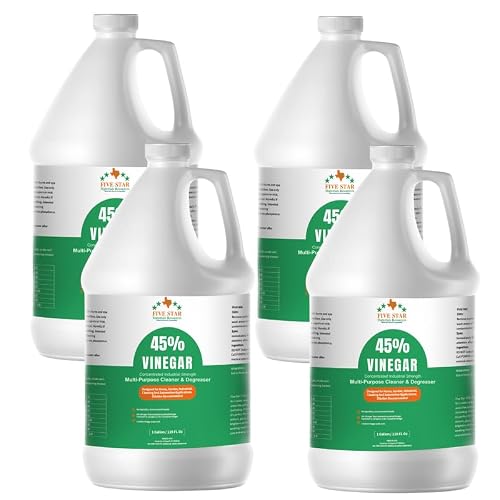
If stains persist, white vinegar works well. Mix equal parts of vinegar and water in a spray bottle, apply it to the stained regions, and let it sit for about an hour before rinsing off.


An additional step involves preventing future issues. I always dry the fabric completely before storing it. If possible, keep them in a well-ventilated area to reduce moisture accumulation.
Using protective covers can also make a significant difference. These minimize exposure to rain and humidity, helping maintain the integrity of the items.
After cleaning, I recommend placing the items in sunlight, as UV rays effectively assist in eliminating any remaining spores and help to freshen the fabric.
Identifying Mold on Cushions
Check for dark spots or patches on the fabric, which often indicate a presence of unwanted growth. Pay attention to the texture; it may feel fuzzy or slimy compared to the surrounding areas. Notice any musty odors that seem stronger than the usual scent of the material, as this can also signal contamination.
Inspect seams and crevices closely, as these areas tend to harbor moisture and create conducive environments for unwanted organisms. If you observe discoloration, particularly green or black patches, these are clear signs of concern. Use natural light to your advantage; it can help reveal hidden spots that artificial lighting may miss.
Additionally, assess the overall condition of the cushions. A damp feeling or persistent wetness, even after exposure to sun, suggests that the fabric is retaining moisture, promoting unwanted development. Always keep an eye on surroundings, as locations with high humidity or poor drainage can lead to worsening conditions for your seating accessories.
Preparing a Cleaning Solution for Mold Removal
For effective removal of unwanted growth, I mix equal parts of distilled white vinegar and water in a spray bottle. This combination creates an efficient yet gentle solution. Vinegar is a natural disinfectant that can break down stubborn stains while eliminating spores.
If more power is needed, I add a few drops of liquid dish soap to the vinegar mixture. This addition helps lift dirt and debris, making the cleaning process smoother. It’s important to avoid harsh chemicals that may damage the fabric; focusing on natural ingredients ensures safety and sustainability.
Before spraying, I test the solution on a small, inconspicuous area of the cushion to ensure no discoloration occurs. Applying the cleaning mixture directly onto the affected spots is my next step. I let it sit for at least 10-15 minutes to allow it to penetrate effectively.
After the waiting period, I scrub the area gently with a soft brush or cloth. Rinsing with clean water helps to remove any residue left from the cleaning solution, ensuring the material remains safe and intact.
Finally, I let the cushions dry completely in a well-ventilated area. Adequate drying is crucial to prevent any recurrence of issues, ensuring the cushions are fresh and ready for use.
Step-by-Step Cleaning Process for Cushions
Begin the cleaning by removing all covers if removable. This allows for a deep and thorough cleanse.
1. Prepare the Area
- Choose a well-ventilated location to work, preferably outdoors.
- Place a tarp or old blanket underneath to protect the ground.
2. Vacuum the Surface
- Use a vacuum cleaner with an upholstery attachment to remove loose dirt and debris.
- Ensure all crevices are cleared for a more efficient cleaning.
3. Apply the Cleaning Solution
- Soak a clean sponge or cloth in the previously prepared cleaning solution.
- Gently scrub the affected areas, ensuring even coverage.
- For stubborn spots, allow the solution to sit for a few minutes before scrubbing.
4. Rinse Thoroughly
- Use a hose or a bucket of clean water to rinse off the soap thoroughly.
- Ensure no residue remains, as it may attract dirt.
5. Dry Properly
- Shake out excess water and place the items in direct sunlight, if possible.
- Allow them to dry completely before using or storing them.
This method effectively restores cleanliness and extends the lifespan of your seating accessories.
Using Vinegar as a Natural Mold Remover
I recommend using white vinegar, as its acidity can effectively tackle those unwanted growths lingering on your cushions. It’s an eco-friendly option, easily found in supermarkets, and works wonders without harsh chemicals.
Preparation
For a simple cleaning solution, combine equal parts of white vinegar and water in a spray bottle. Shake it well to ensure thorough mixing. This blend not only cleans but also helps prevent future infestations.
Application
Spray the solution directly onto the affected areas. Allow it to sit for at least 10 to 15 minutes, giving the vinegar time to penetrate and break down the stubborn patches. After waiting, scrub gently with a soft brush or cloth. Rinse with clean water to remove residue, and let the cushions dry in the sun. Sunlight not only enhances the drying process but also further aids in eliminating any lingering spores.
Drying Outdoor Cushions Properly After Cleaning
After cleaning, ensuring proper drying is key to preventing future issues. I always follow these steps:
- Shake off excess water from the items to speed up drying.
- Place the cushions in a sunny area. Direct sunlight not only accelerates the drying process but also helps eliminate any lingering bacteria.
- Set the cushions so that they are positioned upright. This allows air circulation on all sides, preventing damp spots.
- Check for moisture regularly. I usually flip them over after a couple of hours to ensure even drying.
- If possible, use a fan to enhance airflow, especially on humid days, as this can significantly reduce drying time.
- For thicker materials, consider gently rolling them up to allow trapped moisture to escape. After a couple of hours, unroll them and let air flow freely.
Once completely dry, storing in a cool, dry place can further extend their lifespan. Always make sure they are free of moisture before storage to avoid any dampness.
Preventing Future Growth on Cushions
To stop future infestations, I store cushions in a dry, well-ventilated area when not in use. This practice minimizes moisture accumulation. If a storage shed or a clean garage is available, it’s the ideal place.
Choosing water-resistant covers for my cushions is essential. These covers allow for air circulation while providing protection from rain and humidity. I ensure they fit snugly to prevent any air pockets that can trap moisture.
Regular cleaning of the surfaces where cushions are placed aids in the reduction of spores. I often wipe down tables and chairs to eliminate organic matter that can contribute to unwanted growth.
Utilizing a fan or a dehumidifier in my storage space maintains a lower humidity level, further mitigating the chance of fungi formation. This is particularly useful in humid climates.
| Prevention Method | Description |
|---|---|
| Dry Storage | Store in ventilated, moisture-free areas. |
| Water-Resistant Covers | Use breathable covers to block moisture. |
| Surface Cleaning | Wipe surfaces to remove organic debris. |
| Use of Dehumidifiers | Control humidity levels in storage spaces. |
A few drops of essential oils in the wash can provide an extra layer of defense. Certain oils like tea tree or lavender possess antifungal properties. Incorporating these can enhance maintenance routines.
Choosing the Right Fabric for Outdoor Cushions
Consider fabric types that resist moisture and fading. Fabrics such as solution-dyed acrylic or polyester offer durability and UV protection, effectively combating wear from sunlight and rain. Look for textiles labeled as water-resistant or quick-dry to ensure comfort in changing weather conditions.
BE sure to check for a tight weave; this enhances resistance to dirt and debris while making cleaning simpler. Fabrics treated with antimicrobial agents can help limit the growth of unwanted organisms, maintaining a cleaner surface.
Opt for removable covers with zippers for easy laundering. This facilitates maintenance, allowing you to frequently wash the covers to prevent accumulation of grime and unpleasant odors.
Finally, consider colors and patterns that complement your environment while minimizing visible stains. Darker hues can help disguise spills, while lighter shades may require more frequent cleaning. When selecting, balance aesthetics with practicality for the best results.
Protective Treatments to Avoid Mold
I recommend applying a high-quality fabric protector to shields against moisture and dirt buildup. Look for water-repellent sprays specifically formulated for upholstery, as they create a barrier that reduces the likelihood of fungi growth. Ensure the surface is clean and dry before application for optimal adhesion.
Consider using a UV-resistant treatment to extend the lifespan of the materials and prevent deterioration from sun exposure, which can contribute to damp conditions favorable for bacterial growth.
Regularly applying a diluted solution of white vinegar or tea tree oil can offer natural resistance. Mix one part vinegar or oil with three parts water, and lightly spray the fabric. This method acts as a deterrent while still being gentle on the environment.
Store seasonal items in a dry, cool location, ideally with moisture-absorbing packets or silica gel to maintain a dry atmosphere. Invest in breathable storage bags that keep air circulation optimal while protecting against moisture accumulation.
Finally, integrating routine checks and cleanings into the maintenance schedule not only preserves the integrity of the material but also stands guard against unwanted growth. Regular attention helps to identify early signs of moisture issues, allowing for timely action.
Disposing of Severely Affected Cushions
For items that can’t be restored due to extensive damage from spores, immediate disposal becomes necessary. Start by placing these items in heavy-duty plastic bags to prevent any spread of spores. Seal the bags tightly before disposing of them in regular trash to avoid contamination.
If local regulations allow, consider checking for recycling options, especially if the fabric is made from recyclable materials. For furniture with metal or wood frames, remove these components first and recycle them appropriately. Ensure any contaminated fabric is disposed of securely to prevent any risk to the environment or other belongings.
Document the disposal if needed, especially for warranty claims or insurance purposes. In some cases, municipal waste management may require specific handling of contaminated materials, so it’s wise to verify local guidelines.


