
 Caleb Turner
Regularly inspect your outdoor seating for signs of insect activity, including droppings or webs. A thorough visual examination helps identify problem areas that need immediate attention.
Utilizing a mixture of water and vinegar proves effective for cleaning surfaces while deterring small pests. Combine equal parts of both liquids in a spray bottle and apply directly to affected areas. Wipe down with a cloth afterward to ensure no residue remains.
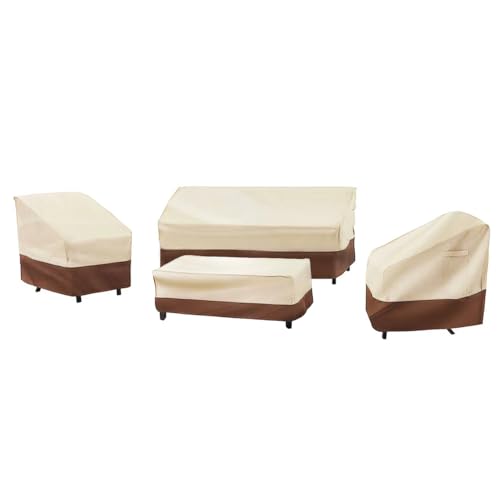
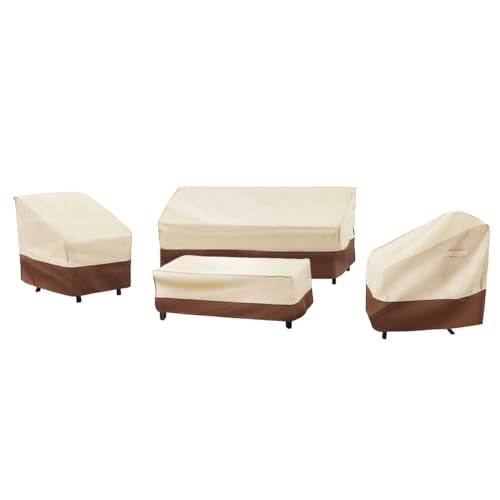
Invest in protective covers designed for outdoor use to shield against infestations. These covers not only defend against flying insects but also shield from environmental damage, prolonging the lifespan of your seating.
Consider deploying natural repellents, such as citronella candles or essential oil diffusers with lemon or eucalyptus oil, to create an unwelcoming atmosphere for insects while enjoying the outdoor space.
Regularly maintain and clean the area surrounding your outdoor seating. Removing debris, leaves, and stagnant water eliminates potential breeding grounds and deters further infestations.


Eliminate Insects on Outdoor Seating
Apply a solution of soapy water directly to any visible insects. Mix a few drops of dish soap with water in a spray bottle and spritz affected areas. This suffocates the critters quickly.
Consider using diatomaceous earth. Sprinkle this natural powder around the legs and underneath seats. It’s harmless to humans and pets but detrimental to various pests that come into contact with it.
Regularly clear debris and organic matter near the seating area. Leaves and other leftovers attract unwanted visitors. Keep the space tidy to reduce potential nesting spots.
Utilize citronella candles or essential oil diffusers filled with peppermint or eucalyptus oils. These scents are known to deter many insects naturally, making your relaxation area less inviting to them.
Install mesh screens or netting around the seating area, particularly if it’s an enclosed space. This physical barrier can keep unwanted visitors at bay, allowing for uninterrupted enjoyment.
If the problem persists, professional pest control solutions are available. They can target specific insects, providing a more comprehensive approach that ensures your outdoor retreat remains peaceful and comfortable.
Identifying Common Pests That Infest Outdoor Seating
Recognizing invaders is the first step in tackling the issue. Check for small black or brown dots which may indicate the presence of ants. These pests often form trails and can be spotted around food remnants or sugary substances.
Termites can cause serious damage. Look for signs such as hollowed wood or sawdust-like droppings. The presence of mud tubes on surfaces is also a clear indication of their activity.
If you notice small, velvety insects that jump, you might be facing springtails. They thrive in humid conditions and are often found in moist areas near your outdoor seating.
Beetles, particularly carpet beetles, may appear as small, round creatures that can damage fabric. Check for holes in cushions or covers, which suggest their presence.
The spider population tends to increase in garden settings. Webs in corners or between furniture pieces are good indicators of their presence. Some may be harmless, but others can be a nuisance.
Inspect for tiny flying insects like gnats. They are often attracted to decaying organic matter or over-watered plants nearby. Their presence can be bothersome, especially during outdoor gatherings.
Pay attention to any black, wingless insects that appear clustered on surfaces. These could be mites, easily mistaken for dirt. They can cause irritation when sitting outside.
By keeping an eye out for these common creatures and their signs, I can take appropriate measures before they become a larger issue.
Best Cleaning Methods to Remove Bug Residue
Using a mixture of water and white vinegar works wonders for eliminating traces left by insects. Combine equal parts in a spray bottle, shake, and apply directly onto the affected surface. Wipe with a microfiber cloth for best results.
Natural Scrub Options
For tougher residues, baking soda serves as an excellent scrub. Create a paste with water, apply it to the area, and gently scrub with a sponge. Rinse thoroughly to remove any remaining mixture.
Commercial Cleaners
If natural methods don’t fully clean the surface, consider utilizing a commercial all-purpose cleaner. Look for products specifically designed to tackle insect stains and follow the manufacturer’s instructions for application and removal.
| Method | Ingredients | Notes |
|---|---|---|
| Vinegar Solution | Water, White Vinegar | Effective for general cleaning |
| Baking Soda Scrub | Baking Soda, Water | Good for scrub-resistant stains |
| Commercial Cleaner | All-purpose cleaner | Follow label instructions |
Always rinse the surfaces after cleaning to prevent any residue that may attract insects again.
Natural Remedies to Deter Insects on Outdoor Seating
To create an unwelcoming environment for unwanted visitors, I recommend employing essential oils like peppermint, lavender, and tea tree oil. Mixing these oils with water in a spray bottle can provide an effective natural deterrent. Aim for a ratio of 10-15 drops of oil per cup of water and apply this mixture directly onto surfaces.
Another option includes using vinegar. A solution of equal parts water and vinegar can act both as a cleaning agent and a repellent. The strong scent discourages many insects while also removing any residues that may attract them.
Consider placing herbs like rosemary and basil around seating areas. These plants not only add visual appeal but also help keep many insects at bay due to their natural oils.
Lastly, using citrus peels can also help in warding off unwelcome guests. Rubbing citrus peels on surfaces or placing them in strategic locations can release oils that many insects find unpleasant.
Choosing Chemical Treatments for Insect Infestations
I recommend selecting insecticides specifically formulated for outdoor use. Look for products containing active ingredients like permethrin or pyrethroids, which are effective against a wide range of pests. Always check the label for instructions on application and safety precautions. Stability under outdoor conditions is crucial; choose a formulation that will not degrade quickly in sunlight.
Consider ready-to-use spray bottles for convenience, especially if the issue is localized. For larger areas, a concentrate mixed with water in a sprayer might be more economical. I’ve found that foggers can also be beneficial for treating extensive outdoor spaces efficiently.
Before application, ensuring the area is well-ventilated and free from pets and children will help maintain safety. Always perform a patch test on an inconspicuous area to avoid damaging materials.
It’s wise to apply the chemical solution during the early morning or late evening when most insects are less active. This can improve effectiveness and reduce the likelihood of harming beneficial insects.
If multiple species are a concern, look for a broad-spectrum insecticide but keep in mind that this can also affect non-target organisms. If you have a specific type of insect bothering you, targeted treatments might be a better choice. Moreover, always follow local regulations regarding pesticide use to ensure compliance and environmental safety.
Preventive Measures to Keep Pests Away from Outdoor Seating
Regular maintenance is key. I make a habit of cleaning the area around my outdoor seating weekly to eliminate the potential habitat for unwanted visitors. This includes mowing the lawn and clearing debris, leaves, and clippings.
- Consider using outdoor covers when not in use. They protect against dirt and moisture, which attracts insects.
- Choose furniture made from durable materials like metal or treated wood. These materials are less appealing to infestations.
- Opt for positioning furniture away from dense shrubbery or tall grass where pests thrive.
I’ve found that using natural repellents helps significantly. Essential oils, such as citronella and eucalyptus, can be effective when diluted and applied to cushions and surfaces.
- Apply a mixture of vinegar and water to the frames regularly; the acidity deters many bugs.
- Keep the surrounding area well-lit at night to deter nocturnal pests.
Inspecting for signs of infestation before the season begins allows me to address issues early, preventing larger problems later on.
- Seal any cracks and joints in the furniture to keep out small intruders.
- Regularly check for any signs of moisture accumulation, which might attract ants or other insects.
Incorporating a strategic approach to landscaping can make a tangible difference as well. I consciously plant bug-repelling herbs like lavender and mint nearby.
By following these preventive steps, I can enjoy my time outdoors without unexpected company. Maintaining a clean and organized environment is my first line of defense against unwanted pests.
Proper Storage of Outdoor Seating During Off-Season
Prior to storage, I ensure all pieces are thoroughly cleaned, removing debris and any residues. This prevents any potential staining and minimizes pest attraction.
I choose a sheltered area, such as a garage or shed, protecting my items from harsh weather conditions. If indoor space is limited, I might invest in high-quality covers that shield against moisture and temperature fluctuations.
For items made of wood, I apply a dedicated wood conditioner or sealant before storage. This maintains the wood’s integrity and appearance, preventing cracking or warping.
Metal pieces require an inspection for rust. Any affected areas can be treated with anti-rust spray or paint, ensuring a long-lasting finish when I remove them from storage.
Upholstered sections receive special attention. I ensure they are completely dry before covering or storing, as moisture leads to mold and mildew. If possible, I elevate cushions off the ground for airflow.
Organizing smaller items in clear bins keeps everything easily accessible while maximizing space. I label containers for quick identification during the next season.
Regular checks during storage are essential. This allows me to address any wear or pest issues promptly, safeguarding my investments for future enjoyment.
Using Essential Oils as Natural Bug Repellents
Applying essential oils can significantly help in keeping unwanted insects at bay. Here are some effective options with straightforward application methods:
- Citronella Oil: This oil is well-known for its insect-repelling properties. Mix 10-15 drops in a spray bottle filled with water and spray on surfaces.
- Peppermint Oil: Its strong scent deters various pests. Combine 10 drops with water, shake well, and apply around the seating area.
- Lavender Oil: The pleasant aroma not only smells good but also repels mosquitoes. Use 12 drops mixed with water to create a fragrant spray.
- Tea Tree Oil: Known for its antifungal and antibacterial properties, it can deter certain critters. A blend of 10 drops with water can be applied directly to affected areas.
- Eucalyptus Oil: Provides a fresh scent while keeping insects away. Mix 10 drops in water and mist over surfaces.
For optimal results, I recommend reapplying these mixtures every few days or after rain. Additionally, using a diffuser with these oils can enhance their effectiveness in open spaces.
Always conduct a patch test on materials to ensure there is no discoloration or damage before widespread application. This ensures the longevity and appearance of the items being treated.
Regular Maintenance Tips for Bug-Free Outdoor Spaces
To maintain an outdoor area free from unwanted insects, I prioritize regular cleaning routines. I allocate time weekly to sweep and wipe down surfaces, ensuring that crumbs and food residue do not attract pests. Choosing a day with minimal wind helps prevent debris from blowing onto clean areas.
Implementing a routine inspection of my outdoor seating and accessories is equally important. I check for any signs of infestation or nesting sites, such as webs or droppings. If I notice any issues, I address them immediately with appropriate cleaning or treatments.
Proper drainage is another key component in upkeep. I make sure that water does not pool around seating or tables, as standing water can create a breeding ground for various insects. Regularly emptying containers that can collect rainwater is essential.
Utilizing covers for outdoor items when not in use helps protect them from exposure and potential invasions. I ensure that all furniture is secured and covered during rainy seasons or when left unattended for extended periods. This small step can significantly reduce the likelihood of unwanted guests.
| Maintenance Task | Frequency | Notes |
|---|---|---|
| Surface Cleaning | Weekly | Focus on crumbs and spills |
| Inspection | Bi-Weekly | Look for nests or droppings |
| Water Drainage Check | Weekly | Empty any standing water |
| Cover Furniture | As Needed | Especially during inclement weather |
Incorporating plants known to repel insects around the seating area adds an extra layer of defense. Lavender, marigold, and basil are a few options I regularly use to deter unwanted visitors while complementing the aesthetics of the outdoor environment.
Establishing a consistent schedule helps me enjoy my time outdoors without the annoyance of unwanted guests. Keeping everything clean and organized is a straightforward way to create a comfortable atmosphere and invite family and friends to relax outside without worries.
When to Call Pest Control for Severe Infestations
It’s time to call in the professionals if I notice significant damage or an overwhelming presence of insects. Here are specific signs to look for:
- Persistent Swarming: If swarms of insects are constantly around, despite cleaning efforts.
- Structural Damage: Signs of wood damage, such as hollow areas or deep scratches, can indicate a serious issue.
- Health Risks: If these critters are known to spread diseases or trigger allergic reactions.
- Multiple Infestations: If pests of different types are present, a coordinated approach is essential.
- Failed DIY Solutions: No success with natural or chemical treatments after several attempts.
Choosing a pest control service that specializes in outdoor areas ensures a targeted and effective resolution. Before calling, I gather all pertinent information, such as the type of infestation, the extent of the damage, and any previous treatments applied. This preparation helps the professionals evaluate the situation quickly.
In severe cases, relying on expertise can save time and prevent further complications. Additionally, maintaining regular check-ups post-treatment aids in long-term prevention.
FAQ:
What are some common types of bugs that might infest patio furniture?
Common bugs that can infest patio furniture include ants, spiders, flies, wasps, and mosquitoes. Each of these insects can cause various annoyances, from bites and stings to simply being a nuisance while trying to enjoy your outdoor space. Some bugs may be attracted to food residues or moisture, while others might find shelter in crevices. Regular cleaning and maintenance can help mitigate these issues.
How can I prevent bugs from being attracted to my patio furniture?
To prevent bugs, you can follow several strategies. Keeping the patio clean is crucial; regularly sweep away debris and wash the furniture with mild soap to eliminate any food particles. Additionally, consider using natural deterrents like essential oils or vinegar solutions, which can repel insects without harmful chemicals. Placing bug traps around the area or using screens can also help reduce the likelihood of an infestation.
What cleaning supplies are effective for getting rid of bugs on patio furniture?
For cleaning patio furniture, a mixture of warm water and mild dish soap is often effective. This can remove dirt and any residues that might attract bugs. If bugs are present, consider adding vinegar to the solution or using commercial bug sprays designed for outdoor furniture. Always make sure to test any cleaning product on a small, inconspicuous area first to avoid damaging the material.
Are there any natural remedies to deter bugs from patio furniture?
Yes, several natural remedies can deter bugs. Spraying a mixture of water and essential oils like peppermint, lavender, or citronella can help keep bugs at bay. You might also consider placing cinnamon or bay leaves in the furniture storage areas, as many bugs dislike their scent. Always combine these remedies with proper cleaning for the best results.
What should I do if I find a large infestation of bugs on my patio furniture?
If you discover a large infestation, start by removing the furniture from the area and cleaning it thoroughly. Using a vacuum can help remove both bugs and eggs. If the problem persists, consider using a more potent insecticide or calling a pest control professional. They can assess the situation and provide targeted treatments to handle the infestation safely and effectively.
What are some natural ways to eliminate bugs from patio furniture?
There are several natural methods you can use to get rid of bugs on your patio furniture. One effective approach is to create a mixture of equal parts water and white vinegar. Spray this mixture on the furniture and areas where bugs are present; the vinegar has properties that repel insects. Another option is to use essential oils like peppermint or lavender. Mixing a few drops with water in a spray bottle can create a pleasant-smelling repellent. Additionally, keeping your patio area clean and free of food crumbs can prevent bugs from being attracted to the space. Regularly checking for any signs of infestations and addressing them promptly will help maintain a bug-free environment.


