
 Caleb Turner
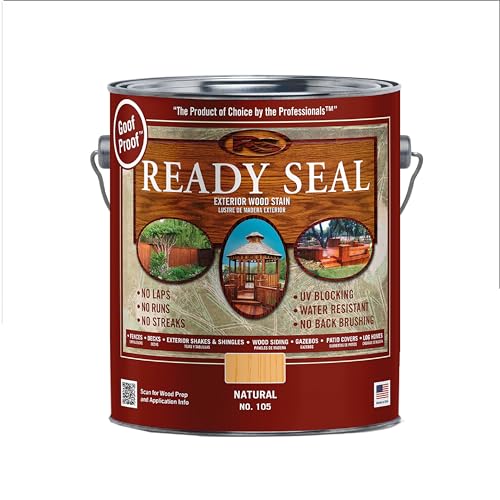
I recommend using a mixture of baking soda and water as the first approach. Combine three parts baking soda with one part water to create a paste. Apply it to the affected area and gently scrub with a soft cloth. This method not only aids in lifting the discoloration but also deodorizes the wood.
If the residue persists, consider vinegar as an alternative. Mix equal parts white vinegar and olive oil and rub the solution onto the spot in the direction of the grain. The acetic acid in vinegar helps to dissolve the stains, while olive oil nourishes the surface.


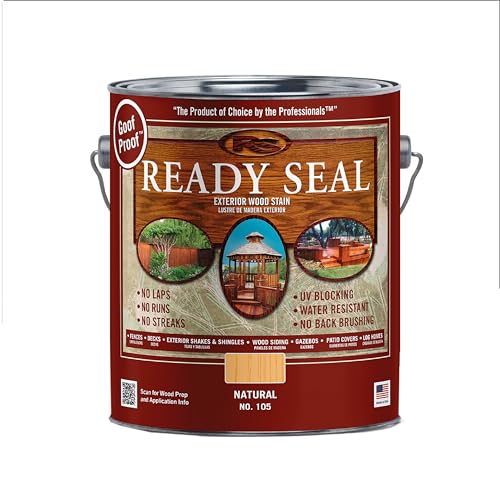
For stubborn stains, a specialized wood cleaner may be necessary. Look for products specifically designed for your material type. Follow the instructions carefully, and be sure to do a spot test in an inconspicuous area to avoid further damage.
In cases where the damage is severe, sanding might be required. Use a fine-grit sandpaper to gently buff the area, being cautious not to alter the surrounding finish. After sanding, reapply a matching stain or finish to restore the original appearance and protect the wood.
Removing Damage from Heat on Surfaces
I recommend treating affected areas with a mixture of baking soda and water. Create a paste with a ratio of three parts baking soda to one part water, and apply it directly to the discolored spot. Allow it to rest for 10 minutes, then gently rub the area with a soft cloth in circular motions. Wipe away the residue with a damp cloth, and dry thoroughly.
Oiling for Restoration
<pFor minor discoloration, using a combination of olive oil and vinegar can be beneficial. Mix equal parts of both liquids, apply to a cloth, and rub the surface. This not only tends to mask the blemish but also nourishes the wood, enhancing its appearance. Wipe off the excess with a clean cloth after treatment.
Embracing Heat-Safe Covers
Consider using heat-resistant mats or coasters as a preventive measure. These can be placed under hot items to safeguard surfaces and maintain their integrity. It’s a simple yet effective approach to avoiding future issues related to high temperatures.
Assessing the Damage: Identifying the Burn Type
Begin by examining the site closely to determine the severity and type of damage. There are primarily three categories of heat damage that can affect surfaces: superficial scorch, charring, and deep burns.
Superficial Scorch
If the surface appears discolored but lacks significant texture change, it likely falls under superficial scorch. This can often be remedied with gentle cleaning and polishing methods. A mixture of vinegar and water or a mild wood cleaner can help restore its appearance.
Charring
Charring indicates a deeper level of heat exposure, leading to a blunted texture and color change. For this situation, sanding the area lightly can help remove the damaged layer. Afterward, I usually apply a suitable stain or finish to match the surrounding area.
Deep burns penetrate the material more extensively, potentially requiring patching or even replacement of parts. Assessing the type and extent of the damage early on will inform my approach to correction and restoration efforts. I prioritize understanding the material composition, as different substances react uniquely to heat exposure.
Consequently, accurate identification of the damage type informs the best strategy for remediation, ensuring a more successful restoration process.
Using Household Items: Baking Soda and Water Paste
To eliminate unsightly damage, I mix baking soda with water to create a paste. This combination is a simple yet effective way to reduce discoloration on surfaces.
Steps for Application
1. Combine three parts baking soda with one part water in a small bowl.
2. Stir until a thick paste forms.
3. Apply the paste to the affected area using a soft cloth or sponge, ensuring even coverage.
4. Let it sit for 10-15 minutes to allow the baking soda to work on the discoloration.
5. Gently scrub the area with the cloth in circular motions.
6. Wipe away the paste with a damp cloth and dry the surface thoroughly.
Tips for Best Results
Test this mixture on a hidden spot first to ensure compatibility with the finish. Repeat the process if needed, and avoid excessive scrubbing, which may damage the surface further. For stubborn cases, I sometimes add a few drops of vinegar to the paste for enhanced effectiveness.
| Ingredients | Mixing Ratio |
|---|---|
| Baking Soda | 3 parts |
| Water | 1 part |
Applying Furniture Polish: Steps for a Smooth Finish
For optimal results, I apply polish in a well-ventilated area to ensure safety and effectiveness. Here’s a straightforward approach:
- Choose a high-quality furniture polish suitable for the specific material.
- Dust the surface thoroughly with a microfiber cloth to avoid trapping dirt under the polish.
- Shake the polish bottle well to mix the ingredients properly.
- Apply a small amount of polish onto a clean cloth, avoiding oversaturation to prevent drips.
- Work in small circular motions, covering a limited area at a time, ensuring even distribution.
- Allow the polish to sit for a few minutes as per the manufacturer’s instructions for the product to penetrate the surface.
- Buff the area gently with a dry section of the cloth to achieve a shiny, even finish.
- Inspect the surface for any uneven spots and reapply polish if needed, repeating the buffing process.
Regular application helps maintain the sheen and protects against scratches and stains. Always test the polish on a hidden area beforehand to confirm compatibility with the material.
Utilizing Vinegar and Olive Oil for Deep Cleaning
I recommend combining equal parts vinegar and olive oil for a powerful cleaning solution. This mixture effectively lifts stains and restores luster to surfaces.
Application Method
Start by dampening a microfiber cloth with the vinegar and olive oil blend. Gently rub the affected areas in circular motions, allowing the solution to penetrate the surface. For particularly stubborn stains, let the mixture sit for a few minutes before wiping it away.
Finishing Touch
After cleaning, use a separate clean cloth to buff the area, ensuring a smooth and shiny finish. This method not only cleans but also nourishes wooden materials, enhancing their natural beauty.
Sandpaper Technique: When and How to Use It
I recommend starting with a fine-grit sandpaper, ideally 220-grit, to work on light discolorations. Gently rub the affected area in the direction of the wood grain. Avoid heavy pressure; let the sandpaper do the work. If deeper damage persists, a coarser grit like 120 can be used initially, followed by a finer grit to smooth out any roughness.
Steps for Effective Sanding
1. Preparation: Clear the area of any items and ensure good ventilation. This helps in avoiding dust accumulation.
2. Sanding: Start with the coarser sandpaper only if necessary. If the surface is smooth, proceed directly to fine-grit. Always sand in the direction of the grain for a more uniform finish.
3. Cleaning: After sanding, use a soft cloth to remove any dust and debris. This prepares the surface for subsequent treatments.
Finishing Touches
Once satisfied with the smoothness, consider applying a suitable finish or polish to restore the original sheen. This seals and protects the wood, ensuring that the results are not only visually appealing but also durable.
Restoring Wood Finish: Best Products for a Uniform Look
I recommend using high-quality wood stains and sealants to recover the surface of your wooden pieces. A good option is a gel stain, which provides even coverage and reduces the risk of lap marks. For a polished appearance, look for products specifically designed for furniture restoration.
Recommended Products
| Product Name | Type | Features |
|---|---|---|
| Minwax Gel Stain | Gel Stain | Easy application, minimizes streaks |
| Varathane Ultimate Polyurethane | Sealant | Durable finish, moisture-resistant |
| Trewax liquid Wax | Wax Finish | Restores shine, easy to apply |
| Howard Feed-N-Wax | Conditioner | Enhances natural beauty, protective |
Application Tips
Before applying any product, ensure the surface is clean and finely sanded. Apply gel stain with a cloth or brush, working in the direction of the grain. For sealing, choose a water-based polyurethane for a clear finish or an oil-based option for a warmer tone. Allow each coat to dry thoroughly and lightly sand between applications for the best results.
Lastly, wax can add a protective layer that enhances shine. Apply a thin coat, buff it out, and repeat regularly to maintain a flawless look on your restored surfaces.
Preventing Future Damage: Tips for Care and Maintenance
Always utilize coasters or trivets under hot items to protect surfaces. This simple action creates a barrier, reducing direct heat transfer.
Regularly apply a high-quality polish or wax. This not only enhances the shine but also provides a protective layer that can help fend off heat.
Keep surroundings free from clutter. Maintaining clear spaces minimizes the risk of accidental spills or placement of heated objects on unprotected areas.
Consider investing in heat-resistant mats for areas prone to exposure. These mats shield surfaces from high temperatures while allowing you to enjoy hot dishes.
Be cautious when using appliances near wooden surfaces. Always check for any accidental contact and ensure they are operated at a safe distance.
Educate everyone in the household about proper care. Ensure that all family members are aware of the importance of protecting surfaces from extreme heat.
For wooden pieces, maintain humidity levels in your home. Extreme dryness can lead to cracks and make surfaces more susceptible to damage.
Regularly inspect furniture for signs of wear. Addressing issues early can prevent further deterioration and the likelihood of more severe issues arising.
Lastly, consider using heat-resistant paints or finishes for vulnerable areas, enhancing overall resilience against heat exposure.
Consulting a Professional: When DIY Isn’t Enough
Assess the situation critically. If the damage is extensive or the material is delicate, seeking expert advice is wise. Professionals possess specialized tools and knowledge to restore items without causing further harm.
Signs That Indicate Professional Help
- Severe discoloration or deep charring that standard cleaning fails to address.
- Delicate finishes that require specialized techniques to avoid stripping or damage.
- Presence of multiple types of damage beyond singeing, such as scratches or dents.
- Uncertainty about the best restorative products or methods for a specific material.
Benefits of Engaging Experts
- Access to advanced restoration products not available to the general public.
- Knowledge of specific materials and tailored treatments that ensure optimal results.
- Peace of mind, knowing the item is in skilled hands.
- Potential to enhance or preserve the original aesthetic value significantly.
Locating a reliable specialist can involve reading reviews, seeking referrals, or checking professional organizations dedicated to restoration. Prepare to discuss your concerns, the extent of the damage, and any prior attempts at restoration during the consultation.


