
 Caleb Turner
Begin with removing all items from the affected area. This includes clothing, bedding, and accessories that may harbor unwanted creatures. Examine each piece meticulously to identify any signs of infestation, such as small dark spots or shed skins.
Next, wash all removable textiles in hot water. A temperature of at least 120°F (49°C) effectively eradicates these nuisances. For items that cannot be laundered, consider using a high-temperature dryer cycle for approximately 30 minutes.


Vacuum every surface thoroughly, focusing on seams, cracks, and crevices where these unwelcome pests often reside. Dispose of the vacuum bag immediately or empty the canister outside to prevent reinfestation.
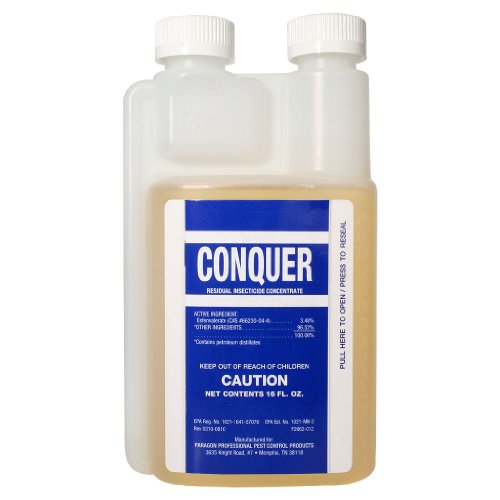
Following the cleaning, treat surfaces with appropriate insecticides. Choose products specifically designed for home applications, ensuring they’re safe for indoor environments. Always adhere to the manufacturer’s instructions for application and safety precautions.
Lastly, seal any gaps in walls or around furniture. Regular inspections and maintenance can significantly reduce the risk of recurring infestations, ensuring a more comfortable living space.
Steps to Eliminate Infestations in Household Items
Utilize a vacuum cleaner to thoroughly suction all surfaces. Pay close attention to seams, crevices, and hidden corners. Dispose of the vacuum bag immediately in a sealed plastic bag to prevent any survivors from escaping.
Introduce high temperatures. Utilize a steamer to treat cushions, mattresses, and any similar items. Ensure the steam reaches 130°F (54°C) to effectively eliminate unwanted pests.
Wash all removable fabrics in hot water. This includes curtains, pillow covers, and removable upholstery. Dry on a high heat setting to ensure complete extermination.
Consider encasements for mattresses and pillows. Select products designed to trap and starve any remaining intruders. Ensure they are durable and impermeable to prevent reinfestation.
Use diatomaceous earth as a natural treatment. Sprinkle it in areas of concern, allowing it to dry completely. This non-toxic powder damages the exoskeletons, leading to dehydration and death.
Apply appropriate insecticides specifically formulated for indoor use. Follow manufacturer instructions carefully, targeting cracks and crevices where pests may hide.
Reassess and monitor regularly. Set up traps to catch any remaining individuals. Regular inspection and maintenance are key to long-term control and prevention.
Identifying Infestations in Your Seating and Bedding
Examine seams, crevices, and folds for small dark stains, which may indicate excrement from these pests. Look closely for tiny, translucent or reddish-brown oval shapes, particularly in corners and under cushions. Use a flashlight to inspect your items thoroughly during low-light conditions, as these creatures often hide in dim areas.
Visual Indicators
A common sign of an issue includes shed skins, which appear as small, empty exoskeletons near resting areas. If you notice a sweet, musty odor, that can also signal a larger presence. Check for tiny white eggs or larvae in upholstered pieces.
Monitoring Methods
Place specially designed traps or adhesive strips around key areas. Regular checks on these traps can help gauge the severity of the situation. Always monitor secondary areas, such as nearby carpets or walls, as these creatures often relocate.
| Indicator | Description |
|---|---|
| Dark Stains | Possible excrement marks on surfaces |
| Shed Skins | Small, translucent exoskeletons |
| Eggs/Larvae | Tiny white eggs or immature forms |
| Musty Odor | Distinct scent indicating a problem |
Preparing Your Furniture for Treatment
Remove all items from the surfaces and inside compartments of the pieces. This includes cushions, throws, and any stored belongings. Vacuum thoroughly, ensuring to get into cracks and crevices.
Vacuuming Tips
- Utilize a vacuum with a strong suction and a HEPA filter to capture potential pests.
- Pay extra attention to seams, folds, and areas where items connect.
- After vacuuming, dispose of the vacuum bag or empty the canister outside immediately to prevent reinfestation.
Wash all removable fabrics in hot water. Tumbling in the dryer on high heat for at least 30 minutes can effectively eradicate any hidden invaders. Items that cannot be washed, such as certain upholstery, should be treated with steam or dry cleaning methods.
Decluttering and Protecting
- Eliminate unnecessary items that may harbor pests and complicate cleaning.
- Seal any cracks or openings in wooden structures or surrounding areas with caulk to block potential entry points.
- Consider placing items that cannot be washed in sealed plastic bags until treatment occurs.
Lastly, consider moving affected pieces away from walls and other furniture to ensure all sides can be treated adequately. This distance allows for effective application of treatments and prevents pests from migrating to areas of the home.
Using Heat Treatment to Eliminate Bed Bugs
Applying high temperatures is an immediate method to eradicate unwanted pests concealed in upholstery. Targeting temperatures above 120°F (49°C) ensures these nuisances, in all life stages, are effectively killed. Consider utilizing a steam cleaner equipped with a nozzle for optimal penetration into seams and crevices.
For large items, using a heat chamber can be beneficial. Place belongings inside the chamber, maintaining a consistent temperature for at least one hour. This strategy is particularly efficient for non-washable textiles and hard-to-reach areas.
Before proceeding, ensure safety by verifying that materials can withstand heat without damage. Testing on inconspicuous sections might be necessary to prevent potential harm. Always monitor appliances and surfaces to avoid overheating or accidental fires.
After heating treatment, allow items to cool before handling. Regular inspections can help maintain a pest-free environment by identifying and addressing potential reinfestations promptly.
As a preventive measure, store infrequently used items in sealed plastic containers to block access. This approach, combined with heat treatment, creates a formidable barrier against future infestations.
Applying Chemical Solutions for Bed Bug Removal
I recommend using EPA-registered insecticides specifically designed for eliminating these nuisances. Always read labels carefully to ensure the product is appropriate for the specific surfaces you want to treat. Aim for options containing active ingredients like pyrethroids or neonicotinoids, known for their effectiveness.
Spraying Techniques
Utilize a spray bottle or a handheld fogger for application. When spraying, ensure to cover all cracks and seams where these insects may hide. Pay attention to areas such as under cushions, in crevices, and along seams of upholstery. Applying chemicals should be done in a well-ventilated space and while wearing protective gear, including gloves and a mask.
Residual Effects
Many formulations provide residual protection, meaning they remain effective for a period after application. This feature is beneficial as it continues to kill any newcomers that may inhabit affected areas. Re-treatments may be necessary based on product instructions, typically every two weeks, until signs of infestation are eliminated.
Vacuuming Techniques to Remove Bed Bugs
Select a vacuum with strong suction capability and a HEPA filter to capture tiny pests and their eggs effectively. Use a crevice tool to thoroughly reach seams, cracks, and corners where these invaders often hide.
Before starting, clear away any loose items from the area. This allows for better maneuverability and ensures no hiding places remain untouched. Ensure to seal the vacuum bag tightly before disposal to prevent any chance of escape.
After vacuuming upholstered pieces, check the vacuum canister or bag for any signs of infestation. Dispose of the contents in a sealed plastic bag outside your home.
For thoroughness, vacuum multiple times in a week, focusing on areas where you have noticed activity. Pay extra attention to places like beneath cushions, along edges, and behind furniture.
Consider using a vacuum specially designed for pest control, or add a vacuum attachment with a dedicated pest-specific function. This will help enhance the elimination process.
Regularly maintaining vacuuming routines will reduce the likelihood of any future reoccurrences and contribute to an overall pest-free environment.
Sealing and Storing Infested Items
Utilize sealed plastic bags or containers to isolate items that exhibit signs of infestation. This limits any spread to other household areas. Ensure that all openings are tightly secured to prevent escape or reentry of pests.
If possible, transport these sealed items to an outdoor location for further treatment or disposal. Follow local regulations for the disposal of these materials to avoid any potential violations.
Before sealing, examine each item thoroughly. For smaller textiles, consider placing them in the dryer on high heat for at least 30 minutes to eliminate any lingering critters before storage.
Label containers to easily identify their contents and the date of infestation notice. This helps in tracking the timeline for follow-up treatments.
Maintain a clean environment in storage areas. Regularly inspect stored items to ensure that any signs of re-infestation are detected early, thereby avoiding a larger problem down the line.
Preventing Future Infestations
Seal gaps and cracks in walls, baseboards, and around electrical outlets to block entry points. Regularly inspect secondhand items before bringing them indoors. Use protective covers on mattresses and pillows to deter infestations. Maintain cleanliness by vacuuming frequently and washing bedding in hot water regularly.
Keep clutter to a minimum in living spaces, as it provides hiding spots for unwanted pests. Adjust furniture layout to enhance visibility and access for thorough inspection. If traveling, check hotel rooms for signs of intrusion and avoid placing belongings on the bed or floor.
Consider using interceptors under bed legs to catch any intruders early. Collaborate with pest control professionals for regular inspections in areas prone to infestations. By implementing these strategies, I can effectively minimize the risk of future encounters.
When to Call Professional Extermination Services
Engaging expert exterminators is advisable in the following scenarios:
- Severe Infestation: If the presence of these pests is overwhelming and standard DIY methods fail, it is time to seek professional help.
- Rapid Reproduction: Noticing a quick increase in population signifies that basic interventions may be ineffective.
- Visible Evidence: Discovering spots, shed skins, or the insects themselves in various parts of the home indicates a widespread issue that requires specialized treatment.
- Health Concerns: Experience allergic reactions or anxiety related to bites or infestations should prompt a call to professionals.
- Multiple Areas Affected: If more than one room shows signs of infestation, complete eradication may be challenging without expert assistance.
- Failed DIY Attempts: If previous attempts to tackle the problem with over-the-counter solutions do not yield results, an expert evaluation is necessary.
- Prevention for Rental Properties: For landlords or property managers, bringing in professionals can help maintain tenant satisfaction and uphold property value.
Choosing qualified exterminators with experience is vital for successful eradication and future prevention of these unwanted inhabitants.


