
 Caleb Turner

First, ensure that you have a set of basic tools ready: a flathead screwdriver, pliers, and possibly warm water. Gently insert the screwdriver into the gap around the edge of the fastener and apply leverage to loosen it. This method helps free the component without damaging surrounding parts.
If the initial approach doesn’t yield results, try using heat. Carefully apply warm water to the area around the fastener, allowing the plastic to soften slightly. This can make removal significantly easier and reduces the risk of breakage. Use pliers for a better grip if the fastener is still stubborn.


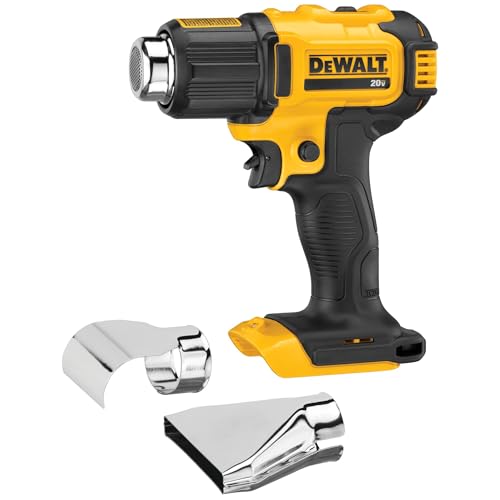

For fasteners that are particularly embedded, consider using a gentle twisting motion while pulling. This technique can help dislodge any binding and allow for easier extraction. Always proceed with caution to avoid harming the overall structure.
Lastly, if all else fails, cutting the fastener may be your only option. Use a small pair of wire cutters or scissors to snip it carefully, ensuring minimal impact on the neighboring components. Once removed, you can replace it with a new fastener that suits your needs.
Removing Plastic Fasteners from IKEA Pieces
Use a heat source like a hairdryer to soften the fasteners. Apply heat directly to the area for about 30 seconds. This will cause the material to become more pliable.
Once heated, grab a pair of tweezers or needle-nose pliers. Carefully grasp the head of the fastener and turn it slowly to the left. If it feels stuck, apply more heat for a few seconds.
If the fastener still resists, try gently prying it out using a flathead screwdriver. Insert the blade between the fastener and the surface, applying light pressure to avoid damage. Always work slowly to prevent breaking the fastener.
If necessary, consider applying a small amount of lubricant, such as WD-40, around the fastener. Let it sit for several minutes to allow it to penetrate before attempting removal again.
For stubborn fasteners, a small amount of adhesive remover can help. Be cautious, as it may damage the finish. Test it on an inconspicuous area first.
Always ensure the piece is stable while working to avoid accidents. If you can’t remove the fastener, it may be worth consulting with professionals who specialize in assembly and disassembly of home items.
Identify the Type of Fastener
First, determine whether the fastener has a Phillips or flat head. A Phillips head has a cross shape, allowing better grip when using a screwdriver. Flat head screws, on the other hand, have a single notch. This knowledge influences your approach to removal.
Examine the Material
Check if the fastener is made from nylon or polycarbonate. Nylon is generally softer, while polycarbonate tends to be more rigid. Understanding the material can suggest which tools to use for extraction without damaging the item.
Look for Thread Patterns
Observe the threading. Fine threads may require different handling than coarse threads. Fine-threaded fasteners might need a more gentle touch to prevent snapping, while coarse ones often come out more easily.
| Type | Characteristics | Removal Tips |
|---|---|---|
| Phillips Head | Cross-shaped head | Use a Phillips screwdriver; apply steady pressure. |
| Flat Head | Single notch head | Use a flat screwdriver; avoid slipping. |
| Nylon | Soft material | Use caution; avoid over-torquing. |
| Polycarbonate | Rigid construction | Try a bit more force if necessary; check for wear. |
This assessment aids in selecting the right tools and techniques, ensuring a smoother removal experience.
Gather Necessary Tools for Removal
Prepare a flathead screwdriver or a Phillips screwdriver, depending on the design of the fasteners in question. A small pair of needle-nose pliers can also come in handy for gripping and twisting stubborn pieces.
Consider utilizing a rubber band to enhance grip on the head of the fastener, as it can prevent slippage while applying force. Additionally, having a flashlight nearby will help illuminate hard-to-see areas, ensuring precision.
A soft cloth or a piece of cardboard can protect the surrounding surfaces from scratches during the removal process. Lastly, a container is useful for keeping small parts organized and preventing loss.
Optional Tools for Stubborn Parts
If initial attempts fail, a heat source like a hairdryer might be beneficial; warming the screw can make the removal easier by loosening any adhesive that may have been used. Additionally, a set of tweezers is useful for extracting broken fragments if any components snap during the process.
By gathering these tools, the task becomes more manageable and efficient, facilitating successful removal without damage.
Assess the Condition of the Furniture
Before attempting to remove any fastener, I check the overall state of the item. Look for any signs of wear, cracking, or damage that could become problematic during the process. If the piece is warped or weak, applying too much force might lead to further complications.
Check for Stability
I also inspect how stable the construction is. If the structure feels loose or wobbly, I’d be cautious when manipulating the threaded components to prevent accidental breakage. Ensuring a sturdy base can make removal much less troublesome.
Evaluate Previous Repairs
If repairs have been done previously, I assess their quality. Sometimes, prior attempts to fix or modify can lead to mishaps, affecting how easily components can be extracted. If I notice any strange alterations, I prepare for additional challenges during extraction.
Choose the Right Technique for Extraction
I recommend using a gentle twisting motion for loosening fasteners embedded in the material. Applying slight pressure while turning clockwise can sometimes help break the initial grip.
If the twisting method does not yield results, employing a pair of pliers can provide the necessary leverage. Grip the head securely and rotate counterclockwise, ensuring a firm but controlled approach to avoid stripping the fastener.
For particularly stubborn types, heat can be advantageous. Utilize a hairdryer to warm the area around the fastener for a few minutes; this may soften the surrounding material, making extraction easier.
If these methods fail, consider using a flathead screwdriver. Carefully insert it under the head of the fastener and gently pry upwards. This could help to create enough space for easier removal.
In cases where the fastener is damaged or has started to break, drilling it out may become necessary. Select a drill bit that matches the diameter of the fastener and apply steady, even pressure while drilling directly into the center. Take care to avoid damaging the surrounding structure.
Evaluate the effectiveness of each technique continually throughout the process; being adaptable will enhance the chances of success without causing additional harm to the piece.
Apply Heat to Loosen Stubborn Fasteners
Utilizing a heat source effectively helps in loosening difficult fasteners. I recommend using a heat gun or a hairdryer set to high. Aim the heat directly at the area surrounding the fastener for about 30 seconds. The heat will cause the material to expand slightly, potentially making removal easier.
Precautions to Consider
Ensure to maintain a safe distance to avoid damaging nearby materials. Avoid excessive heating, which can warp or melt components. Always check the manufacturer’s recommendations, if available, to prevent any unintended harm.
Follow-Up Steps
After applying heat, attempt to unscrew gently. If resistance persists, repeat the heating process. Patience is key; excessive force can lead to breakage, rather than resolution.
Use Lubricants to Aid in Removal
Lubricants can significantly simplify the extraction of stubborn components. Apply a few drops of penetrating oil, such as WD-40 or a silicone-based lubricant, directly onto the threads of the fasteners. Let it sit for several minutes to penetrate the material.
Application Techniques
- Ensure the area is well-ventilated to avoid inhaling fumes.
- Use a cotton swab or small brush to target the lubricant precisely.
- Reapply as necessary if the initial attempt doesn’t yield results.
Post-Lubrication Removal Steps
- Attempt to unscrew using the appropriate tool after the lubricant has set.
- If resistance is still present, gently tap the component with a rubber mallet to help break the bond.
- Retry unscrewing; the added lubrication should ease the process.
Handle Broken Screws with Care
Remove any pieces of the damaged fixture gently to prevent further harm. I recommend using a pair of needle-nose pliers to grip and twist remnants that stick out, ensuring I do not apply excessive force.
Steps for Safe Removal
- Verify grip on the exposed portion to avoid slipping.
- Twist slowly and steadily to prevent fractures in surrounding materials.
- If parts are embedded deeply, consider drilling a tiny pilot hole for better access.
Avoid Further Damage
Stay vigilant about not expanding the hole during extraction. I always apply minimal torque and check the integrity of the surface surrounding the screw. If I sense any resistance, I reassess my approach to avoid splitting or causing warping.
Finally, if despite my efforts the residue remains, I may opt for a screw extractor tool designed specifically for stubborn cases to handle tricky situations with precision.
Prevent Future Issues with Plastic Screws
To avoid complications later, consider replacing original components with steel or aluminum alternatives. Metal fasteners provide enhanced durability and minimize stripping or breaking during assembly or disassembly.
Regularly inspect connections for wear or loosening, especially after moving or heavy usage. Perform maintenance before noticeable issues arise, ensuring everything remains secure throughout its use.
Apply anti-seize lubricant to threaded areas when assembling to enhance ease of future disassembly. This small step occupies minimal effort, yielding significant benefits down the line.
When assembling new pieces, take your time. Align all parts correctly before tightening any fastener. Avoid over-tightening, which can cause cracks or split joints.
Document any alterations made to your setup for future reference. If adjustments were necessary, knowing where and what changes occurred will be advantageous when reassembling or troubleshooting later.
Store any extra hardware safely, including original screws and connectors. Having the right parts on hand can expedite repairs or enhancements in the future.
FAQ:
What are some common methods to remove plastic screws from IKEA furniture?
There are several methods to consider when attempting to remove plastic screws from IKEA furniture. One effective way is to use a flathead screwdriver to gently pry the screw head up, which can sometimes loosen it enough for removal. If the screw is stuck due to tightness or adhesive, applying a small amount of cooking oil can help. Let it sit for a few minutes before trying again. Another option is using a pair of pliers to grip the screw head and twist it out carefully. If the screw is damaged or stripped, a rubber band can be placed over the screw head for better grip while turning.
Why are plastic screws used in IKEA furniture instead of metal ones?
IKEA primarily uses plastic screws for several reasons. Firstly, plastic screws are lightweight, which contributes to the overall reduced weight of their furniture, making it easier to transport and assemble. Additionally, plastic screws can be manufactured more cost-effectively than metal counterparts. They also reduce the risk of damage during assembly and disassembly, as metal screws can sometimes cause splintering in particleboard materials. Finally, plastic screws don’t rust, which is an advantage in environments with moisture.
What tools do I need to remove plastic screws from IKEA furniture?
To remove plastic screws from IKEA furniture, you typically only need a few basic tools. A flathead screwdriver is commonly used, but having a Phillips screwdriver might also be necessary, depending on the type of screw. Pliers can be helpful for screws that are difficult to remove by hand. In some cases, a rubber band can be used to improve grip. If you encounter stubborn screws, a bit of cooking oil or penetrating oil can assist in loosening them.
Are there any risks when removing plastic screws from IKEA furniture?
Yes, there are some risks involved when removing plastic screws. If too much force is applied, it can lead to the screw snapping or stripping, making it more challenging to remove. Additionally, using the wrong tools may cause damage to the furniture, especially if excessive force is used. There is also a risk of damaging the surrounding material, particularly if the plastic screw is inserted into particleboard. It’s crucial to proceed carefully and to assess the situation before attempting removal.
What should I do if a plastic screw breaks while trying to remove it?
If a plastic screw breaks while attempting to remove it, you’ll need to assess the remaining part of the screw. A common solution is to use pliers to grip the remaining part and gently twist it out. If that doesn’t work, consider drilling into the screw carefully with a small drill bit to create a hole that allows for better removal. Alternatively, you may need to use a screw extractor, which is a tool designed specifically for removing broken screws. If these methods seem too challenging, seeking help from someone experienced in furniture repair might be the best option.
What are the best methods for removing plastic screws from IKEA furniture?
To effectively remove plastic screws from IKEA furniture, consider the following methods: First, try using a flathead screwdriver to gently pry the screw upwards. Be cautious to avoid damaging the surrounding material. If the screw is particularly stubborn, applying a small amount of heat from a hairdryer can soften the plastic, making it easier to unscrew. Additionally, using pliers can provide a better grip if the screw head is stripped. Always ensure that you are working slowly and carefully to avoid breaking the screw or damaging the furniture.
Are there any special tools required for extracting plastic screws from IKEA products?
No specialized tools are strictly necessary to remove plastic screws from IKEA furniture, but having a few common tools on hand can simplify the process. A flathead screwdriver is typically useful for prying at the screw. Pairing this with needle-nose pliers can help if you need to grip and twist a screw that is hard to budge. If you have a heat source such as a hairdryer, it can help soften the screw material, but remember to use it carefully. It’s best to evaluate the situation based on the specific piece of furniture you’re working with.


