Caleb Turner
To effectively eliminate persistent scents from vintage timber items, I recommend using a mixture of baking soda and water. Create a paste with equal parts of these ingredients and apply it directly to the affected surfaces. Allow it to sit for several hours, then gently scrub the area with a soft cloth before wiping it off with a damp rag.
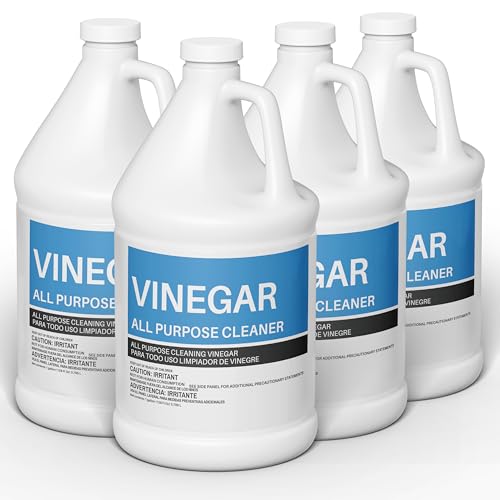
Another method involves the use of vinegar, renowned for its natural deodorizing properties. Dampen a cloth with white vinegar and wipe down the surfaces meticulously. Afterward, I suggest leaving the piece in a well-ventilated area to air dry, as this helps reduce any residual vinegar aroma while refreshing the wood.
If the aromas persist, an enriched solution of essential oils may provide a pleasant alternative. Choose oils such as lavender or lemon, mix a few drops with water in a spray bottle, and lightly mist the surface. This not only masks unwanted smells but also infuses a delightful fragrance, revitalizing the atmosphere around the item.
Identifying the Source of the Aroma in Timber Items
Begin with a thorough visual inspection. Look for signs of mold, mildew, or decay, which can produce musty scents. Pay attention to joints, inside drawers, and corners where moisture might accumulate.
Evaluate the finish on the surface. Older varnishes or lacquers can sometimes deteriorate and release unpleasant smells. Scrutinizing the integrity of the finish might reveal its contribution to the problem.


Examine any stored items inside or on the surfaces. Materials like fabric, leather, and paper can absorb and emit odors over time. If possible, remove these items to determine if they are the source.
Common Sources of Unpleasant Scents
| Source | Description |
|---|---|
| Mold or Mildew | Occurs in damp areas, signified by dark spots or discoloration. |
| Deteriorating Finish | Older coatings may break down, causing a chemical smell. |
| Absorbed Materials | Fabrics, padding, or cardboard can trap moisture and odors. |
After identifying potential sources, consider treating the specific area or item responsible, taking appropriate steps to eliminate the concern effectively.
Preparing the Furniture for Cleaning
I recommend starting by removing any items from the surfaces and interior compartments. This includes books, decorative objects, and personal belongings. Clear space allows full access to the furniture, making the process smoother.
Assessing Condition
Next, inspect for any visible damage such as scratches, dents, or separation in joints. Carefully touch and feel the surfaces to identify areas that might require special attention during cleaning. If you notice loose parts, consider tightening screws or applying wood glue to reattach them securely.
Initial Dusting
Dust the surfaces using a microfiber cloth or a soft brush. This step is crucial as it removes loose particles that could interfere with disinfection. Make sure to pay attention to grooves and decorative carvings, where dust often accumulates. After dusting, you may lightly wipe the surfaces with a damp cloth to capture lingering debris–avoid soaking the wood.
Using Natural Deodorizers to Eliminate Odors
Mix equal parts of baking soda and water to create a paste. Apply it to affected areas, allowing it to sit for several hours before wiping clean. This method neutralizes strong scents effectively.
Vinegar serves as another excellent choice. Fill a bowl with distilled white vinegar and place it inside the cabinet or drawer. The vinegar absorbs unpleasant smells without leaving residue.
Essential Oils for Fragrance
A few drops of essential oils like tea tree or lavender can provide a pleasant aroma. Dilute the oils in water and spray the mixture lightly on surfaces. Avoid soaking the wood excessively to prevent damage.
Citrus Freshener
Citrus peels, such as lemon or orange, can greatly enhance freshness. Place peels in drawers or cabinets for a natural scent that repels mustiness while imparting a clean fragrance.
Applying Baking Soda as an Odor Absorber
Baking soda serves as a powerful agent for absorbing unpleasant scents lingering in vintage cabinetry or other wooden structures. Here’s how to put it to work effectively.
Steps to Employ Baking Soda
- Choose a Container: Use a shallow dish or bowl to maximize exposure to air.
- Amount: Pour a generous layer of baking soda into the container, enough to cover the bottom.
- Placement: Position the bowl in or on the surface of the item needing treatment.
- Duration: Allow it to sit for several days, ideally 48 hours or more, depending on the severity of the scent.
- Vacuum or Sweep: Once the duration is complete, carefully remove the baking soda using a soft brush or vacuum with a brush attachment.
Additional Tips
- Combine with Essential Oils: For a pleasant fragrance, mix a few drops of essential oil with the baking soda before applying. This provides a subtle scent while absorbing the unwanted ones.
- Periodic Refresh: For ongoing maintenance, repeat the process every few months to keep the environment fresh.
- Test First: Always check a small, inconspicuous area of the surface to ensure no adverse reactions occur before applying to the entire area.
Implementing this technique can significantly improve the atmosphere and appeal of cherished vintage items. With minimal effort, baking soda can transform the ambiance of your surroundings.
Inspecting and Maintaining the Finish of the Furniture
Check the current state of the surface regularly. Look for signs of wear, fading, or damage. Any cracks or peeling should be addressed immediately to prevent further deterioration.
Clean the surface with a soft, damp cloth to remove dust and debris that can scratch the finish. Use a gentle wood cleaner or a mixture of vinegar and water for deeper cleaning, but avoid soaking the wood, as excessive moisture can cause warping.
Conduct a spot test with any cleaning or polishing products on an inconspicuous area first. Ensure compatibility with the existing finish before applying it broadly.
Consider applying a polish designed for wood surfaces. This can help restore luster and add a protective layer, which in turn can help mitigate any unpleasant aromas by sealing the wood. Choose wax or oil-based products depending on the original finish to avoid inconsistencies.
After cleaning and polishing, inspect for any new scents that may arise. Be proactive in addressing any emerging issues to maintain a fresh environment. Regular maintenance not only enhances the appearance but also extends the lifespan of the piece.
Finally, monitor the humidity levels in the space where the item is located. Keeping the area at an optimal level can prevent future problems and safeguard the integrity of the finish.
When to Seek Professional Help for Stubborn Odors
If persistent scents linger despite my best cleaning efforts, professional assistance becomes necessary. This is particularly true if the smell has a mold or mildew origin, indicating deeper structural damage that I cannot address alone. In cases where refinishing or extensive repair is required, it’s practical to consult an expert.
An unpleasant aroma that re-emerges after cleaning can indicate trapped moisture or deeper contamination within the material. In such situations, I consider hiring a specialist who can use tools and techniques not available to the average homeowner.
If my attempts to eliminate the smell using natural methods or deodorizers fail repeatedly, enlisting a professional may save time and prevent potential damage. Experts often have advanced deodorizers specifically designed for difficult situations that can penetrate more deeply into the material.
Additionally, if the piece holds significant sentimental value or is an antique, I weigh the benefits of professional restoration. Experts can not only treat lingering smells but also preserve the integrity of the item, ensuring its longevity for future generations.
FAQ:
What causes odors in old wood furniture?
Old wood furniture can develop odors due to a variety of factors. Common causes include accumulated dust, moisture trapped within the wood, mildew, and residues from previous cleaning products or spills. Additionally, if the furniture has been stored in a damp or poorly ventilated area, it may also retain unpleasant smells. Understanding the root cause of the odor is important for determining the best removal method.
What are some natural methods to eliminate odors from wood furniture?
There are several natural methods that can help remove odors from wood furniture. One effective approach is using baking soda, which absorbs odors. Sprinkle baking soda on the surface, leave it for a few hours or overnight, then vacuum it away. Another option is to wipe the furniture with a mixture of vinegar and water, which can neutralize smells. Essential oils like lemon or tea tree oil can also be added to the solution for additional freshness. Make sure to test any solution on a small, inconspicuous area first to avoid damage.
Can commercial products help with odor removal? Which ones are recommended?
Yes, there are many commercial products designed specifically for removing odors from wood. Odor-eliminating sprays, enzyme cleaners, or wood-specific cleaning solutions can be effective. Look for products labeled safe for wood and follow the manufacturer’s instructions closely. Some users have reported success with activated charcoal bags, which can absorb unpleasant smells over time. Applying these products consistently may yield the best results.
How often should I clean my old wood furniture to prevent odors?
Regular cleaning can help prevent the buildup of odors in old wood furniture. It is advisable to dust and clean the furniture monthly using a suitable cleaning solution. Additionally, maintaining the environment where the furniture is kept—ensuring proper ventilation and avoiding humidity—can contribute to minimizing odors. If the furniture is frequently used, consider a deeper cleaning every few months to refresh its condition and fragrance.
Are there any precautions to take when cleaning wooden furniture to avoid damage?
Absolutely, taking precautions is vital to protect wooden furniture while cleaning. Always use soft, lint-free cloths to avoid scratches. Test any cleaning solution on a small area first to check for adverse reactions. Avoid soaking the wood with excessive moisture, as this can warp or damage it. Additionally, steer clear of harsh chemicals or abrasive cleaners, which can strip the finish and harm the surface. Following these steps will help preserve the integrity of your furniture while addressing odors.