
 Caleb Turner

Pour a mixture of white vinegar and water into a spray bottle, using equal parts for effective results. Lightly mist the affected areas of the upholstery, ensuring not to soak the fabric. This method neutralizes the unpleasant aroma without damaging the material.
After applying the vinegar solution, allow it to air dry completely. This step is crucial, as it not only helps to remove the scent but also reduces moisture that can lead to mold and mildew. Make sure a fan or good airflow is present to expedite the drying process.
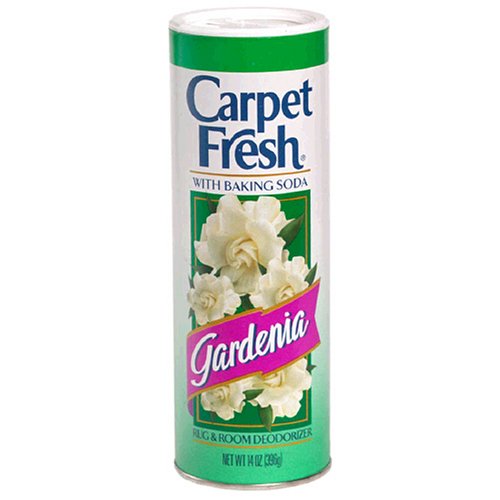
As a secondary measure, sprinkle baking soda generously over the upholstery after it has dried. Let it sit for several hours, or overnight if possible. Baking soda absorbs residual odors and leaves the fabric feeling fresh. Vacuum thoroughly afterward to remove the powder and any absorbed particles.
If the situation persists, consider using enzymatic cleaners specifically designed for fabric. Follow the instructions carefully for the best outcomes, and always test a small, inconspicuous area first to ensure compatibility with the materials.
Identify the Source of the Musty Odor
Begin by inspecting all areas of the seating piece. Look closely at cushions, seams, and underlying support structures for trapped moisture. If applicable, remove any covers for thorough examination. Use a flashlight to spot mold or mildew, which are common culprits.


Next, assess nearby surroundings. Hydrated areas such as basements or poorly ventilated rooms often contribute to unpleasant scents. Evaluate the cleaning products used previously; harsh chemicals can react with allergens and encourage odor retention.
Don’t overlook fabrics or accessories in contact with the seating item. Rugs, curtains, or even clothing can be sources of persistent odors. Check these items for any dampness or decay, as they may require similar attention.
Pay attention to humidity levels in the room. High humidity can lead to the growth of odor-causing bacteria. Invest in a hygrometer to monitor levels, aiming for a range between 30-50% for optimal indoor air quality.
Finally, consider the age and condition of the item. Older materials may harbor more severe issues due to wear and tear. In these cases, evaluation of potential professional cleaning or replacement may be necessary.
Choose the Right Cleaning Solution for Fabric
Utilizing the correct cleaning agent can significantly improve the freshness of your upholstery. Consider these options:
1. White Vinegar Solution
Mix equal parts of white vinegar and water in a spray bottle. Lightly mist the surface and let it sit for several minutes before blotting with a clean cloth. This combination effectively neutralizes unwanted scents.
2. Baking Soda Paste
Create a paste using baking soda and a small amount of water. Apply it to the affected areas and let it dry. Once dry, vacuum thoroughly. The baking soda absorbs lingering odors.
3. Commercial Upholstery Cleaner
Choose a cleaner designed for your type of material. Always perform a patch test in an inconspicuous area to ensure compatibility. Follow the manufacturer’s instructions closely for optimal results.
4. Essential Oils
Add a few drops of essential oils like lavender or tea tree to your vinegar or baking soda mix. This enhances the scent and can offer antimicrobial properties.
After application, allow the area to dry completely. Air circulation can further help refresh the scent of the upholstery. Regular maintenance using these solutions keeps your items smelling pleasant and looking great.
Proper Vacuuming Techniques for Upholstered Items
Before beginning, ensure your vacuum cleaner is equipped with the appropriate attachment. A nozzle with soft bristles helps in gently lifting dirt and debris without damaging the surface.
Begin by removing any loose items from the upholstery, such as cushions or throws. This allows better access and prevents obstructions while cleaning. Next, start vacuuming from the top and work your way down. This method captures debris that may fall as you work.
Pay attention to seams and crevices, where dust tends to accumulate. Use a crevice tool to reach these tight areas effectively. For larger sections, use broad strokes and overlap your movements to ensure thorough coverage.
It’s advisable to vacuum at least once a week to maintain cleanliness. If there are pets in the household, consider vacuuming more frequently. For a detailed cleaning, consider using a handheld vacuum for quick spot treatment on small areas.
After vacuuming, inspect the upholstery. If any area appears dirty or stained, treat it with the appropriate solution before moving on. Regular maintenance helps prevent odors and enhances the lifespan of the material.
| Vacuuming Tips | Description |
|---|---|
| Use Soft Brush Attachment | Prevents damage and effectively removes dust. |
| Start from the Top | Ensures no debris falls on already cleaned areas. |
| Focus on Seams | Removes hidden dirt in tight spaces. |
| Maintain a Regular Schedule | Regular cleaning prevents buildup and odors. |
| Inspect After Cleaning | Identify any spots that may require additional treatment. |
Steps for Deep Cleaning with a Steam Cleaner
Begin with a thorough vacuuming of the upholstery to remove loose dirt and debris. Ensure all surfaces are covered, paying special attention to seams and crevices.
Fill the steam cleaner’s tank with distilled water, as it prevents mineral buildup and enhances cleaning performance. Follow the manufacturer’s guidelines for optimal results.
Select the appropriate attachment for your specific kind of upholstery. A fabric brush or nozzle might be ideal for soft materials.
Pre-treat any visible stains using a suitable upholstery cleaner. Allow the cleaner to sit for the recommended time and blot with a clean cloth.
Engage the steam cleaner, maintaining a consistent distance from the surface, typically a few inches. Move the cleaner slowly over the area to allow the steam to penetrate effectively.
After steaming, wipe the cleaned area with a microfiber cloth to absorb excess moisture and residues. This step helps in speeding up the drying process.
Ventilate the space where the cleaning occurs. Open windows and use fans to facilitate airflow. This assists in drying upholstery thoroughly and discourages any lingering dampness.
Perform a final inspection to ensure all areas are cleaned. If necessary, repeat the steaming process on spots that require additional attention.
Once finished, let the upholstery dry completely before resuming normal use to prevent re-soiling and maintain freshness.
Natural Remedies to Freshen Up Fabric
White vinegar is my go-to solution for rejuvenating textiles. I mix equal parts of vinegar and water in a spray bottle and lightly mist the surface. Afterward, I let it air dry. The vinegar aroma dissipates, taking unpleasant odors with it.
For a fresh scent, I often sprinkle baking soda over the upholstery. I let it sit for at least 30 minutes before vacuuming it up. This not only neutralizes odors but also refreshes the texture.
Essential oils enhance the fragrance. A few drops of oil – such as lavender, tea tree, or eucalyptus – added to the vinegar solution, creates a pleasant aroma. I apply this mixture in the same manner as mentioned above.
Citrus peels can be a simple and effective choice. I place dried peels of lemon or orange in a small pouch and leave it near the furniture. This method adds a light, invigorating scent without chemical interference.
Another option I enjoy is coffee grounds. I place them in a shallow bowl on the upholstery for a day or two. They absorb unwanted scents and impart a subtle warmth.
Lastly, I utilize sunlight. On sunny days, I take removable covers outdoors to bask in the sun. The UV rays help minimize bacteria and odors while naturally refreshing the materials.
Prevent Future Odors in Upholstered Items
Regular maintenance is key. I vacuum my upholstered pieces weekly to remove dust and moisture that can lead to unpleasant aromas.
Consider using an absorbent powder, such as baking soda, to neutralize unwanted scents. I sprinkle it on the surface, let it sit for a few hours, and then vacuum it up.
- Ensure proper ventilation in areas where upholstered goods are situated.
- Keep humidity levels low by using dehumidifiers or air conditioners, particularly in damp environments.
- Opt for breathable covers or throws to shield the fabric from dust and spills.
Regular Inspection and Care
I frequently inspect my upholstery for any signs of mildew or lingering dampness. Quickly addressing any spills or moisture can prevent significant issues.
- Blot spills immediately with a clean cloth.
- Rotate cushions regularly to promote even wear and air circulation.
- Utilize fabric protectors that repel liquids and stains.
By taking proactive steps and being mindful of the environment, I maintain the freshness and longevity of my upholstered belongings.