
 Caleb Turner
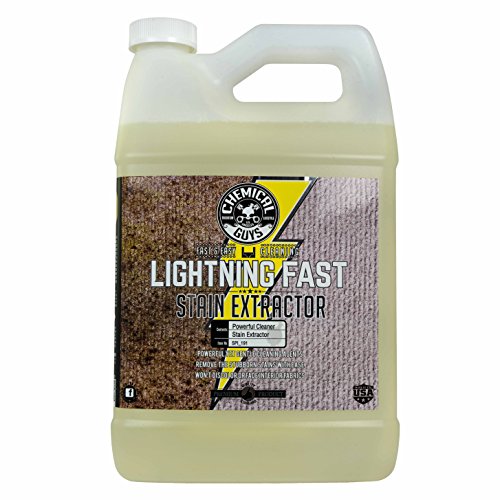
The quickest method to tackle cosmetic stains on upholstery is to act without delay. Blot the area gently with a clean cloth to absorb as much excess product as possible, being careful not to rub, as this can spread the stain further.
Once the immediate remnants are managed, create a solution using mild dish soap and warm water. Dampen a different cloth with this mixture and carefully dab the stained area. Rinse the cloth with clean water and continue blotting until the stain begins to fade.


For persistent marks, consider reaching for rubbing alcohol or makeup remover. Apply a small amount on a cotton ball or cloth and test it on a hidden area first. If all goes well, gently work on the stained surface. Finish by using a damp cloth to remove any residue left behind.
Identifying the Type of Cosmetic Stain
First, examine the stain closely to determine its origin, which can guide cleaning methods. Common categories include foundation, lipstick, mascara, and eyeshadow. Each type has unique properties, influencing its removal approach.
| Stain Type | Description | Cleaning Tip |
|---|---|---|
| Foundation | Often creamy or liquid, can be oil-based or water-based. | Blot with a paper towel, then use a mix of dish soap and water. |
| Lipstick | Typically oily and waxy, may leave a vibrant color mark. | Apply rubbing alcohol on a cotton pad; dab gently. |
| Mascara | Usually black or dark brown; water-resistant variants are thicker. | Use a mild detergent with water and a soft cloth. |
| Eyeshadow | Powder form can create dust that adheres to surfaces. | Vacuum or gently brush away excess, then clean with damp cloth. |
By identifying the specific stain type, I can choose the most suitable cleaning strategy, enhancing the chances of effective stain removal without damaging the surface. Understanding the characteristics of different cosmetics is key for successful treatment.
Choosing the Right Cleaning Solution
For optimal results, selecting the appropriate cleaning agent is crucial. I evaluate my options based on the specific type of stain and the material involved.
Here are some effective cleaning solutions to consider:
- Dish Soap and Water: A mixture of mild dish soap and warm water can tackle oil-based residues. I use a soft cloth dipped in the solution, then blot the area without over-saturating it.
- Isopropyl Alcohol: This option is great for ink stains. I apply a small amount onto a cotton ball and gently dab the affected spot. It evaporates quickly, minimizing further mess.
- White Vinegar: For water-based products, equal parts of vinegar and water can break down the stain. I apply it with a soft cloth and wipe the area clean.
- Commercial Stain Removers: If the stain persists, I sometimes opt for a specialized product. I always read the instructions to ensure compatibility with my item.
Testing a small, inconspicuous area before full application helps avoid damage. Once I’ve chosen the right cleaner, I apply it carefully, following manufacturer guidelines if available.
Preparing the Furniture Surface for Cleaning
Clear the area surrounding the affected surface. Remove any items like books, decorations, or cushions to access the stain fully. This prevents additional mess and allows for a focused cleaning effort.
Before applying any cleaning solution, gently test it on a hidden part of the material to check for colorfastness or potential damage. Depending on the type of surface–wood, fabric, or upholstery–the solution’s impact may vary.
If the surface is fabric, lightly vacuum or brush it to remove loose particles and debris. For wooden or hard surfaces, use a microfiber cloth to wipe down any dust or grime. This step is vital to ensure the cleaning process is effective.
For upholstery, lightly dab the area with a damp cloth to slightly dampen the fabric without soaking it. This preps the stain for removal without risking water damage. Ensure that the cloth is clean to avoid transferring more dirt.
In case of sticky residues, using a plastic scraper can help lift away excess before proceeding with a cleaning solution. Be gentle to prevent scratching or denting the surface.
Ensure all cleaning tools and materials are within reach to streamline the process. Having everything ready means a more effective clean with minimal interruption.
Applying Cleaning Solution to the Stain
I apply the cleaning solution directly onto the affected area using a clean cloth or sponge. It’s crucial to saturate the stain thoroughly, but I avoid soaking the surrounding fabric or material, as excessive moisture can cause damage.
Blotting Technique
I gently dab the area with the cloth, working from the outside edge of the blemish towards the center. This technique helps prevent the stain from spreading. If I notice the cloth becoming dirty, I switch to a fresh section or use a new cloth. I repeat this process until the solution starts to lift the residue.
Rinsing the Area
After the stain has lifted, I dampen another cloth with clean water and blot the area to remove any remaining cleaning solution. This step is important to ensure no residues remain, which could attract more dirt or cause discoloration over time. I finish by lightly blotting the area with a dry cloth to absorb any excess moisture.
Techniques for Blotting and Rubbing Stains
Blot the affected area gently with a clean, dry cloth or a paper towel. This helps absorb excess residue without pushing it further into the fibers. Press firmly, but avoid vigorous rubbing, which can spread the stain or damage the surface.
If blotting doesn’t fully resolve the issue, move to a rubbing technique with a soft cloth. Use a circular motion, starting from the outer edges of the blemish and working toward the center. This strategy minimizes staining spread while loosening the material.
For tougher residues, dampen the cloth with the cleaning solution, ensuring it’s not overly saturated to prevent oversaturation of the underlying material. Repeat the gentle blotting action, following with the circular rubbing to lift the stain while monitoring the fabric or surface closely.
Optionally, employ an old toothbrush or soft-bristled brush for intricate areas. Lightly brush the stain, keeping the pressure minimal to safeguard the texture. This method can help dislodge particles trapped in uneven surfaces.
Always test your method on a hidden area first, ensuring compatibility with the material. Adjust techniques as needed based on the reaction observed during initial tests.
Patience is key. Multiple attempts may be necessary for complete removal, allowing time for the cleaning agent to work after each application.
Rinsing and Drying the Furniture Properly
I recommend using a damp cloth to gently rinse the area after removing the blemish. This helps eliminate any leftover cleaning agents that might damage the surface over time. Dampen the cloth with clean water, ensuring it’s not soaking wet. Wipe the treated spot in circular motions to prevent streaks or watermarks.
After rinsing, it is crucial to dry the surface thoroughly. Use a fresh, absorbent towel to blot the area. Avoid rubbing, as this can reintroduce residue or push the stain further into the material. For upholstered items, consider using a fan to expedite drying, keeping it at a safe distance to avoid excessive blowing.
If needed, I adjust the towel’s pressure to ensure all moisture is absorbed, taking care not to damage delicate fabrics. For items made of wood, I may wait a bit longer before subjecting them to use, allowing any residual moisture to evaporate naturally.
Regular inspection of the cleaned area after drying ensures that no leftover stains persist and that the finish remains intact. If necessary, I can repeat the rinsing and drying process to achieve complete clarity and cleanliness.
Preventing Future Makeup Stains on Furniture
To minimize the risk of future discoloration, I apply a protective coating designed for upholstery and wood surfaces. This shield creates a barrier, significantly reducing absorption.
Regular maintenance is key. I clean and dust surfaces frequently, as this prevents buildup that can attract spills. Additionally, I ensure that all cosmetic products are securely closed and stored away from vulnerable areas.
Establish a Makeup Zone
I designate a specific area, such as a vanity or bathroom countertop, for applying cosmetics. By confining the process to one space, I reduce the likelihood of accidental spills on other surfaces.
Use Makeup Remover Pads
I keep disposable makeup remover pads easily accessible. If a spill occurs, I can quickly address it before it sets. It’s a simple precaution that can save a lot of hassle down the road.


