Caleb Turner
I recommend measuring both the object and the entryway first. Accurate dimensions help evaluate potential challenges early on. If the size of the item exceeds the opening significantly, consider disassembling it if possible. Many pieces can be taken apart, allowing for easier maneuvering and placement.
Use protective coverings while handling to prevent damage to both the item and the surrounding areas. Blankets or bubble wrap can safeguard against scratches and dents. I also suggest employing furniture sliders or a dolly to distribute weight evenly, making the process smoother. This minimizes strain and reduces the risk of injury.
If disassembly isn’t an option, angling the object can sometimes create the necessary clearance. Rotating and shifting the piece while tilting it at various angles may reveal a path through the constricted area. Be patient and adjust your approach as needed.
If you face difficulties, gathering additional hands can simplify the task. Coordinate with others to lift and guide the piece concurrently, ensuring everyone knows their role to avoid potential mishaps. Effective teamwork makes the transition easier and less stressful.
Measure Furniture Dimensions Accurately
I recommend using a reliable tape measure to ensure precise measurements of every piece. Take note of height, width, and depth, accounting for any protruding elements like legs or handles.


Record Dimensions Clearly
Document each measurement on paper or digitally. This practice prevents confusion and allows for easy comparison with entryway specifications.
Consider Assembly and Disassembly
If possible, determine whether your item can be disassembled. Measure components separately, as this can significantly alter how well they fit through confines.
Understand Door Frame Measurements
Begin with measuring the height and width of the frame. I recommend using a tape measure for accuracy. The standard door frame width is typically around 32 inches, but this can vary. Always account for any trim that may add width. For height, standard measurements are often between 80 to 84 inches, but it is vital to check your specific door opening.
Consider the Thickness of the Frame
Measure the thickness of the door frame as well. I usually find that this dimension is around 1.75 inches, but knowing the exact measurement aids in determining how much space is available. This detail assists in planning the angle and orientation for maneuvering items.
Check for obstacles
Inspect the surrounding area. Take note of any protrusions, such as light switches, doorknobs, or wall corners that may hinder the passage. I often find that removing obstacles beforehand can dramatically ease the process of getting items into the room.
Remove Furniture Legs or Accessories
Detaching legs or accessories can significantly reduce dimensions, enabling a smoother passage. Begin by inspecting the piece for removable parts, often designed for assembly and disassembly. Common elements include legs, arms, and decorative attachments.
Take the following steps:
| Step | Action |
|---|---|
| 1 | Gather tools such as a screwdriver or wrench depending on the type of fasteners used. |
| 2 | Carefully turn the item over to access the base for leg removal. |
| 3 | Remove each leg by unscrewing or loosening the bolts; store hardware in a labeled bag for reassembly. |
| 4 | If applicable, detach any accessories, such as armrests or cushions. |
This approach not only aids in fitting but also can lighten the overall weight, making the maneuvering process easier. If uncertain about the methods for detachment, consult the manufacturer’s instructions or look for online guides specific to the item’s make and model.
Use Angles to Maneuver Through the Door
Adjusting the angle of the item can significantly aid in fitting it into tight spaces. Start by tilting the piece slightly at an angle rather than approaching it head-on.
Consider these techniques:
- Utilize diagonal positioning. Rotate the object so that the corners lead the way. This often creates a smaller profile that can easily slide through openings.
- Align with the doorframe. Position the item so that its top corner touches the top of the doorway. This can allow for a smoother entry.
- Experiment with vertical and horizontal shifts. Elevating one end while lowering the other can create the necessary clearance for passage.
Additionally, visualize the pathway as a series of angles:
- Approach the entryway from different directions to find the most favorable angle.
- Tilt either end based on the door’s dimensions and location of hinges for best clearance.
- Watch for obstructions that may prevent a smooth transition. Adjusting the piece’s angle can help circumvent these obstacles.
These strategies can make the transition easier, ensuring that the item fits without undue stress or damage. Practice makes perfect, so don’t hesitate to adjust your approach as needed.
Disassemble Items When Possible
Disassembling an item often simplifies the process of transporting it. Start by identifying all removable parts, which may include backs, shelves, or drawers. This step drastically reduces size and weight, making it easier to navigate tight spaces.
Steps to Disassemble
- Gather necessary tools such as a screwdriver, wrench, or Allen key.
- Work systematically; remove one part at a time to avoid confusion.
- Label screws and parts to ensure reassembly is straightforward.
- Take photos of the assembly process to reference later.
Considerations
- Check for hidden screws or brackets that may not be immediately visible.
- Ensure that the item is stable during disassembly to prevent accidents.
- Factor in the time required for disassembly and reassembly in your planning.
By following these steps, managing the transport of bulky items becomes more feasible, and potential damage during transit is minimized.
Utilize Furniture Sliders for Easier Movement
Using furniture sliders simplifies transporting bulky items across surfaces. I recommend placing these pads underneath the legs or bases of heavy pieces. They reduce friction, allowing for smooth gliding, which minimizes effort and prevents damage to floors.
Choosing the Right Sliders
Select sliders based on the surface type–carpet, hardwood, or tile. Each variety is designed to perform best on specific floors. I typically go for felt sliders for hardwood, while plastic ones work well on carpets.
Application Techniques
Before moving, lift the item slightly to position sliders properly. Once placed, push gently to test stability. Maintaining control during movement avoids accidents. If moving items alone, consider a dolly in conjunction with the sliders for added support.
Investing in high-quality sliders pays off over time, ensuring that both the item and the flooring remain intact during transitions. Using these tools, I’ve successfully maneuvered various large items even in tight spaces without any damage.
Protect Furniture and Walls During Moving
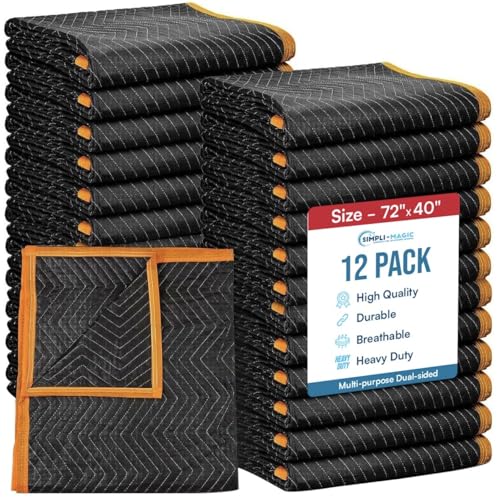
I wrap items in moving blankets or bubble wrap to prevent scratches and dents. This extra cushioning absorbs impact from any bumps or scrapes along the way. I secure the wrap with packing tape, ensuring it stays in place throughout the move.
For protection of walls, I use corner guards or thick cardboard. I attach these to areas where the risk of damage is greatest, like tight hallways or door frames. This creates a barrier against scuffs and scratches from heavy pieces.
When carrying larger items, I position myself strategically, keeping a slight distance from the walls. Maintaining this distance helps in avoiding accidental collisions. Additionally, I ensure my helpers are aware of their surroundings and communicate effectively to prevent mishaps.
If possible, I remove any door handles or knobs prior to moving. This minimizes the risk of snagging on the door frame while maneuvering bulky items. After the move, I reinstall them quickly to ensure everything is functional.
After positioning items in their new space, I inspect both the furniture and walls for any potential damage. If necessary, I take immediate steps to touch up or repair any minor issues, preserving the condition of both the item and the home.
Consider Alternative Entry Points if Necessary
Examine other access routes like windows, balconies, or garages. If these options present themselves, ensure their dimensions can accommodate the item. A standard window frame may allow easier passage if the piece can be lifted safely.
Utilizing Windows
Check if the window height is adequate for lifting and if the weight can be supported from below. Use sturdy ladders for higher placements and consider additional help if needed. A well-planned approach prevents damage to surrounding structures.
Balcony Access
For multi-story buildings, a balcony could serve as an alternative solution. Measure both the height and width of the balcony entry, ensuring the item can be maneuvered in easily. Employ ropes or straps to secure items if hoisting is required.
FAQ:
What are some tips for measuring furniture before attempting to move it through a small door?
Before trying to move large furniture pieces, it’s important to accurately measure both the item and the doorway. Use a tape measure to check the dimensions of the furniture, including height, width, and depth. Measure the door frame as well. This will help you determine if the furniture can fit through without any alterations. If possible, remove any detachable parts from the furniture, such as legs or cushions, to make it easier to maneuver.
Are there specific techniques for angling furniture to fit through a small door?
Yes, angling furniture can often make a big difference when trying to fit it through a narrow door. Start by tilting the piece slightly and then turn it at an angle while pushing it through the doorway. In many cases, furniture can fit diagonally, which may provide the extra clearance needed. If it’s a large item, having someone help you can ensure better control while you adjust the angle. Taking your time to maneuver can also prevent damage to both the furniture and the doorframe.
What tools or equipment might be useful for lifting and maneuvering large furniture?
Having the right tools can make a significant difference when moving heavy furniture. Consider using furniture sliders, which can help glide heavy items across floors with less effort. Dollies can also be very helpful for transporting pieces across longer distances. If the furniture is particularly heavy, a lifting strap can help distribute weight more evenly, allowing for easier lifting and carrying. Make sure to wear proper gloves for grip and protection.
Can disassembling furniture help in getting it through tight spaces?
Absolutely, disassembling furniture is often one of the best solutions for getting large items through small doorways. Many furniture pieces, such as beds, sofas, and tables, can be taken apart into smaller sections. By doing this, you reduce the size of each component, making it easier to navigate through narrow spaces. Before you start taking things apart, consult the assembly instructions if available, or take pictures of how it’s put together to ensure you can reassemble it correctly later.
What precautions should I take to avoid damaging the furniture or doorway while moving?
To prevent damage to your furniture or the doorframe, first inspect the surroundings for any obstacles. Clear the area of any items that could get in the way. Use blankets or padding to protect both the furniture and doorframe from scratches. If you’re using tools, be careful with any sharp edges. Moving carefully and methodically is essential; rushing can lead to accidents or damage. Enlist help if the piece is particularly heavy or awkwardly shaped to ensure that everyone involved can move safely.
What techniques can I use to fit large furniture through a small door?
There are several techniques you can try. One effective method is to disassemble the furniture as much as possible. Remove any legs, cushions, or detachable parts to reduce the size. You can also try angling the furniture by turning it diagonally, as this often allows it to fit through narrow spaces more easily. Additionally, using furniture sliders can help you maneuver the piece with less friction. If these methods aren’t feasible, consider whether the door frame can be temporarily removed or modified for the move.
Are there any specific tools or equipment that can help me move large furniture through a small door?
Yes, a few tools can significantly assist in this process. Furniture dollies are great for lifting heavy pieces off the ground, allowing for easier maneuverability. Straps or moving belts can help distribute the weight and make it easier for two people to carry large items together. A pry bar may be useful if you need to remove door hinges or trim. Lastly, packing blankets can protect both the furniture and door frame from damage during the move.