
 Caleb Turner

Try using a pair of pliers to grip the exposed section of the dowel. If it’s flush with the surface, apply some wood glue to a toothpick, insert it into the hole next to the dowel, and let it cure. After the glue sets, carefully pull on the toothpick, which should grip the broken piece enough to extract it.
If the residual piece is stubborn, consider drilling a small hole into the center of the dowel. Use a screw extractor, applying light pressure while turning counterclockwise to grasp the piece. This method can efficiently work without damaging the surrounding material.


In situations where these methods fail, I recommend tapping around the dowel’s perimeter using a hammer and a wooden block. This creates a small amount of movement, which might help loosen it. Remember to apply gradual force to avoid damaging the surrounding sections.
Identifying the Type of Broken Peg
First, assess the situation by examining the remaining piece of the dowel. If the peg is flush with the surface, extracting it with pliers or tweezers may be effective. For pegs that extend slightly beyond the edge, a gentle twist can help dislodge them.
Next, determine the material composition. Wooden pegs may break differently compared to plastic or metal counterparts. For wood, moisture may assist in loosening adhesives. Alternatively, use a lubricant for metal or plastic versions to ease removal.
Check if any part is protruding; a sharp edge can be an advantage when gripping with tools. If the dowel is deeply embedded, consider drilling a small hole to insert a screw extractor. This method provides better leverage for removal.
Lastly, document the dimensions of the peg if a replacement is needed. Knowing the size and material will streamline the process of finding a suitable replacement piece in future repairs.
Gathering the Necessary Tools for Removal
For removing the remnants of dowels or connectors, I recommend having the following tools ready:
Essential Tools
A pair of pliers is crucial for gripping and pulling out any stubborn pieces. Needle-nose pliers work particularly well for reaching into tight spaces. A flathead screwdriver can be effective for prying out closely fitted parts, especially if there’s any glue involved.
Additional Supplies
I find it helpful to have a rubber mallet on hand, as it can gently encourage difficult components without damaging the surrounding material. If the fragments are very snug, a drill may be necessary to create a hole in the center for easier extraction. Lastly, a magnet can assist in retrieving small metal pieces, should they become dislodged in the process.
Using Pliers to Extract the Peg Safely
First, choose a pair of pliers that have a good grip, such as needle-nose or locking pliers, to maximize control during removal. Position the pliers around the remaining section of the dowel gently but securely, ensuring a tight hold without applying excessive pressure that could damage the surrounding material.
Applying a slow and steady pull can prevent further complications. If resistance is met, consider wiggling the pliers side to side while pulling gently. This motion can help loosen any debris or adhesive that might be holding the stub in place.
If the fragment sits deep within the hole, using a set of long pliers may provide better access. Insert them carefully, aiming to grasp the peg without risking damage to the surrounding area. Always work methodically, as rushing the process can lead to breakage or imperfect extraction.
Once the piece is free, inspect the hole for splinters or remaining fragments. Clean it out if necessary, ensuring a smooth surface for any future assembly. A mild adhesive or wood filler can be beneficial if additional reinforcement is needed before inserting a new dowel.
Applying Heat to Loosen Glued Fasteners
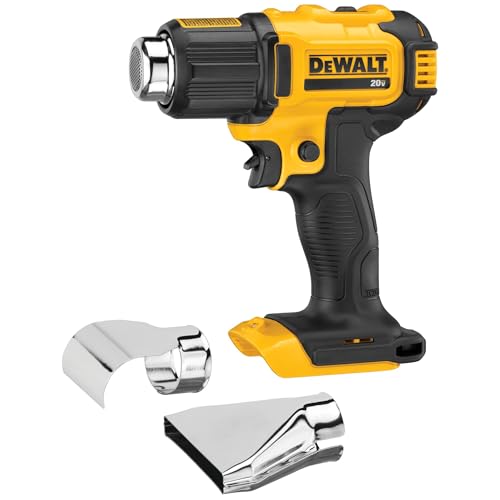
Using heat can effectively weaken adhesive bonds holding components together. A heat gun or a hairdryer can be employed to target the adhesive around the fasteners. Here’s how I approach this method:
Steps for Applying Heat
- Set the heat source to a low or medium setting.
- Carefully direct the heat towards the area surrounding the fasteners.
- Keep the heat moving to avoid scorching the material.
- Heat the area for approximately 30 seconds to a minute, allowing the adhesive to soften.
- Immediately attempt to dislodge the fastener using pliers while the area is still warm.
Safety Precautions
- Wear heat-resistant gloves to protect your hands.
- Ensure the working area is well-ventilated to avoid inhaling fumes from melted adhesive.
- Keep flammable materials away from the heat source.
This technique can be particularly useful in situations where extracting the fasteners proves challenging due to strong adhesive bonds. Careful application of heat helps to facilitate removal without damaging the surrounding structure.
Drilling out Stubborn Pegs Without Damaging the Furniture
To successfully remove the remaining dowels, I prioritize using a drill with an appropriate bit size that matches the peg’s diameter. Begin by carefully marking the center of the peg with a punch to ensure accuracy. Setting the drill to a low speed minimizes the risk of splintering the surrounding material.
Steps and Precautions
1. Choose a drill bit slightly smaller than the peg diameter to prevent excessive damage.
2. Secure the piece tightly to prevent movement during drilling.
3. Start drilling at a slow pace, gradually increasing speed as the bit penetrates.
4. Keep the drill perpendicular to the surface to ensure even drilling.
Post-Drilling Procedure
Once the drilling reaches about halfway through the peg, I switch to a larger bit to create a pilot hole, making it easier to remove the fragment. A gentle rocking motion with pliers or a small extraction tool helps in pulling out any remnants without harming the surrounding area.
| Step | Action |
|---|---|
| 1 | Mark the center with a punch |
| 2 | Select a suitable drill bit |
| 3 | Drill at low speed |
| 4 | Use a rocking motion with pliers |
Replacing broken pegs and ensuring stability
Choose wooden or plastic replacements that match the original dimensions for optimal fit and durability.
Follow these steps for effective replacement:
- Remove the remaining fragment of the old support if still lodged. Use pliers for closer grip or a small drill to extract stubborn pieces.
- Measure the hole’s diameter with a caliper to select the correct size of the new piece.
- Insert the new support gently into the hole, ensuring it’s straight. If it doesn’t fit smoothly, consider sanding the edges lightly.
- Test the stability by applying pressure to ensure it can hold weight without wobbling. Adjust if necessary.
- For added security, apply a small amount of wood glue around the edges before final insertion. Allow it to cure as per the manufacturer’s instructions for maximum strength.
Regular maintenance can help prevent further issues:
- Check the integrity of all joints periodically.
- Keep the unit at a stable temperature to prevent warping.
- Avoid overloading the structure beyond its intended capacity.
By following these guidelines, I ensure that my assembly remains sturdy and functional, extending its lifespan and usability.
FAQ:
What tools do I need to remove broken pegs from IKEA furniture?
To remove broken pegs from IKEA furniture, you will typically need a few basic tools. Start with a pair of pliers or needle-nose pliers, which can help grasp and twist the peg out. A flathead screwdriver may also be useful to gently pry the peg if it is stuck. In some cases, a drill with a small bit can be used to drill out the peg, but this should be done carefully to avoid damaging the surrounding wood. If the peg is too smooth, a screw extractor set can provide a solid grip for removal.
What steps should I take if the peg is completely broken off and flush with the surface?
If the peg is broken off and flush with the surface, you can follow a few steps to safely remove it. First, use a screw extractor; drill a small hole in the center of the peg and insert the extractor. Turn it counterclockwise until the peg begins to loosen. If you prefer a non-invasive option, you can also apply heat with a soldering iron at the top of the peg to soften any adhesive, then try using pliers to twist and pull it out. Another effective method is to use a small set of wood drill bits to carefully drill into the center, but ensure you don’t drill too deep to damage the surrounding material.
Can I replace the pegs with something else if I can’t get them out?
Yes, if you have difficulty removing the broken pegs, you can replace them with alternatives. Consider using wooden dowels or specialized furniture connectors that can fit into the existing holes. Simply measure the diameter of the hole to find a suitable dowel, then cut it to the desired length. If you use connectors, ensure they are compatible with the furniture design. This substitution can help regain structural integrity without the need to remove the broken pegs completely.
Is it possible to repair the area around the broken peg?
Repairing the area around a broken peg is entirely feasible and often necessary to maintain the appearance and function of your furniture. If the surrounding wood is damaged, you can use wood filler to fill in any gaps or holes left by the peg. After it dries, sand the area smooth and paint or stain it to match the rest of the furniture. Additionally, if the peg removed has caused a structural weakness, reinforcing the joint with brackets or additional support can ensure stability and durability.


