
 Caleb Turner
To successfully transport your large items, I recommend selecting a reliable logistics company experienced in handling heavy loads. Before finalizing your choice, ensure they have good reviews and a proven track record. This is not just about the cost but the care they take in moving your precious possessions.
Accurate measurements are critical. I measure each piece thoroughly, including height, width, and depth, to determine the best packaging solutions. Using this information, I can ensure that specialized crates or boxes are built to snugly fit every item, minimizing movement during transit.
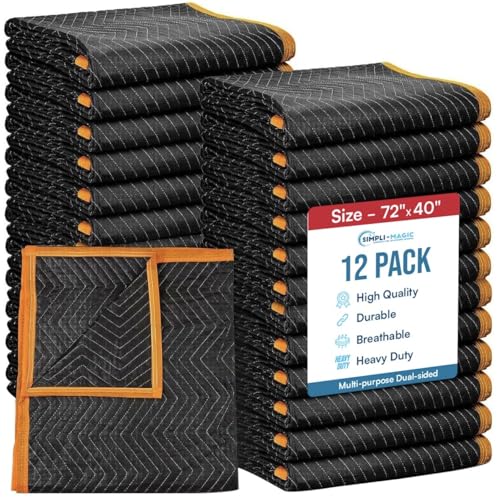
Packaging materials play a key role in protecting your possessions. I use high-quality bubble wrap, foam sheets, and blankets to cushion items during transport. For added security, I disassemble larger pieces to reduce the risk of damage and make handling easier.
Communication with the logistics provider is essential. I confirm pick-up and drop-off times and discuss any special handling instructions. This ensures everything runs smoothly, and my items arrive at their new destination without a hitch.
Consider Packaging Solutions for Transporting Your Goods
Utilize high-quality boxes specifically designed for heavy and bulky items. Reinforce the boxes with tape to ensure they can withstand the rigors of transport. For delicate pieces, employ bubble wrap or foam to cushion and protect each item during movement. Label each box clearly with handling instructions to prevent any mishaps during transit.


Assess Weight and Dimensions
Accurately measure and weigh each piece before arranging for relocation. This data will help in obtaining precise shipping quotes and ensuring you select the right transport method. Compactness and weight can significantly affect costs, so exploring disassembly options can be beneficial.
Select Transport Methods Wisely
Evaluate your options, from full truckloads to shared loads, depending on your budget and urgency. Engage with carriers that specialize in large item delivery to ensure they have the necessary equipment and experience to handle your assets securely. Always seek reviews or testimonials to gauge reliability and service quality.
Choosing the Right Shipping Method for Furniture
Consider using a dedicated moving service for larger pieces, as they specialize in handling and transporting bulks safely.
- Assess the size and weight of your items. For significant deliveries, full-service carriers are more suitable than small parcel services.
- Evaluate transit time. If speed is critical, choose an expedited option, but be prepared for a higher cost.
- Examine insurance coverage. Verify the policy that protects your possessions during transport, especially for high-value items.
- Inspect the method of transport. Consider whether a ground or air service aligns better with your needs, taking into account accessibility and routes.
For local moves, consider rental trucks, which can save on costs and give you greater control over loading and unloading.
Installing protective materials is vital. Ensure to wrap items in bubble wrap or blankets to prevent damage.
Finally, compare quotes from various services. Prices can vary significantly, so gathering multiple estimates is worth the effort to secure the best deal.
Understanding Shipping Costs for Furniture
Accurate cost estimation is critical. Begin by determining the dimensions and weight of your items, as carriers often calculate fees based on these factors. Use a shipping calculator provided by logistics companies to get a preliminary quote that considers various parameters.
- Distance: The greater the distance from the pickup to the delivery location, the higher the charges. Long-haul routes tend to be more expensive.
- Service Type: Choose between standard and expedited services. Expedited options are faster but come at a premium price.
- Packaging: Proper packaging can prevent damage. If you require special packaging, it may add to the overall cost.
- Insurance: Consider insuring your items for their full value. While this increases overall expenses, it provides peace of mind during transportation.
- Accessorial Fees: Be aware of potential extra charges, such as liftgate services, inside delivery, or handling bulky items. These can significantly impact your final cost.
Request quotes from multiple carriers to compare prices and services. This helps identify the best option that meets your budget and delivery requirements. Also, look out for discounts or promotional rates that might apply to your shipment.
Preparing Items for Transport
Wrap each piece in protective materials like bubble wrap or moving blankets to prevent scratches and damage. For smaller components, consider using boxes with adequate cushioning.
Disassemble larger items as much as possible. This not only saves space but also reduces the risk of breaking during the move. Keep screws and small parts in labeled bags to avoid losing them.
Mark the wrapped items with their contents and destinations. Use labeling tape to make it clear for handlers, reducing the chance of misplacement.
Secure everything tightly within the transport vehicle or container. Use straps or ties to minimize movement during transit. It’s important to ensure that nothing shifts, as impact can cause damage.
Consider the environment in which the items will travel. If they will be exposed to changes in temperature or humidity, take extra precautions. Use moisture-absorbing packs if necessary and avoid placing items directly against cold or hot surfaces.
Measure and weigh each piece accurately. This information is vital for planning the best loading arrangement and can influence costs and logistics.
Lastly, confirm that insurance coverage is in place. It’s advisable to protect against potential loss or damage, ensuring peace of mind throughout the process.
Choosing Appropriate Packaging Materials
Use sturdy materials like cardboard or wooden crates for large items. Double-wall cardboard boxes are excellent for heavier pieces, providing extra protection against impacts.
For delicate components, I recommend foam padding or bubble wrap. Ensure every corner is well-cushioned to prevent breakage.
Additionally, consider using stretch film to wrap smaller items together, enhancing stability during transit.
For oversized pieces, disassemble them if possible. This simplifies packing and allows for better use of available space.
Label all packages clearly with handling instructions, ensuring that carriers understand which items are fragile.
Selecting a Reliable Freight Shipping Company
Research potential carriers by checking their online reviews and ratings on platforms like Trustpilot and Better Business Bureau. Look for companies with a proven track record in transporting large items. Verify their registration and licenses, ensuring they comply with regulations. A reliable provider should operate with adequate insurance coverage to protect your possessions.
Request quotes from multiple service providers, evaluating their costs and services. Understand what is included in each quote, such as loading, unloading, and transit times. Choose a partner that offers transparent pricing without hidden fees.
Inquire about their experience with similar consignments. It’s beneficial if the company specializes in bulky products, as they will have the right equipment and knowledge to handle them securely. Communication is key; opt for a firm with excellent customer service that responds promptly to inquiries.
Once you’ve narrowed down your options, ask for references. Contact previous customers to gather first-hand feedback about their experiences regarding timeliness, condition upon arrival, and overall satisfaction. This information is invaluable in making an informed choice.
| Criteria | Importance |
|---|---|
| Reputation | High |
| Insurance Coverage | High |
| Experience with Large Items | Medium |
| Transparent Pricing | High |
| Customer Service | Medium |
Confirm their tracking system provides real-time updates for your cargo’s location. Having the ability to monitor transit can ease concerns about delays or issues. A reputable service provider will prioritize communication and keep you informed throughout the process.
Tracking Your Furniture Shipment
I recommend using a reliable shipment tracking system provided by your chosen logistics provider. Most companies offer a tracking number that allows you to monitor the progress of your items in real time. Keep this number accessible to check the status of your delivery frequently.
Real-Time Updates
Many firms offer mobile applications for seamless tracking on the go. Download the app to receive real-time alerts and notifications, indicating any changes in your delivery schedule. This feature lets you stay informed about delays or estimated arrival times.
Contact Customer Support
If you encounter issues or have questions regarding your consignment, don’t hesitate to reach out to customer support. A quick call or message may provide detailed information about your package’s location and condition. Be sure to have your tracking number handy for efficient assistance.
Dealing with Common Shipping Issues
Anticipate potential delays by initiating your planning well in advance of your scheduled delivery. Weather conditions, busy shipping seasons, and unexpected circumstances can all affect timing.
Damage During Transit
Inspect all items immediately upon arrival. Take photos of any visible damage, which helps in filing a claim with the carrier. Ensure you have appropriate insurance coverage that aligns with the value of your goods.
Misdelivery Problems
Verify the accuracy of your delivery address and contact information. Providing the correct details reduces the chances of misdelivery. Keep in touch with the carrier for updates and potential issues during transit.
| Common Issue | Solution |
|---|---|
| Delayed Delivery | Plan ahead and stay informed about weather and peak seasons. |
| Item Damage | Inspect upon receipt, document with photos, and file claims swiftly. |
| Wrong Delivery | Double-check address accuracy and maintain communication with the carrier. |
Keeping detailed records of your shipments helps in resolving issues efficiently. Don’t hesitate to engage customer service when problems arise; they can often provide solutions or compensation for inconveniences encountered.
Knowing Your Insurance Options for Freight Shipping
I recommend reviewing the insurance coverage options available for your cargo. Many carriers offer different tiers of protection, typically including basic liability and options for full-value protection. Basic liability often covers the carrier’s responsibility up to a specified limit, while full-value protection may safeguard the complete worth of items in transit.
When assessing policies, pay attention to exclusions. Some insurance might not cover certain types of damage, such as wear and tear or inherent defects in the items transported. It’s crucial to verify if your policy covers damage during loading or unloading, as these moments can often lead to issues.
Consider purchasing additional insurance if necessary. Third-party insurance providers can offer plans tailored specifically for the value and type of items you are transporting, potentially closing gaps left by carrier policies.
Document your items thoroughly before transportation. Take high-quality photos and keep a detailed inventory, including any pre-existing damage. This documentation will assist in the claims process if something does go wrong.
Finally, communicate expectations clearly with your selected freight provider regarding insurance. Understanding what is covered and any additional steps needed during the claims process simplifies matters should issues arise during transit.
Unpacking and Assembling Upon Arrival
Begin with checking all exterior packaging for damage before you start unpacking. Use a box cutter or scissors to carefully open boxes, ensuring not to cut into the items inside.
Steps for Unpacking
- Lay out all pieces and hardware on a clean, flat surface.
- Compare what you have with the assembly instructions. Ensure no parts are missing.
- Carefully remove any protective materials to avoid scratches.
Assembly Recommendations
- Gather tools required for assembly, typically a screwdriver and an Allen wrench.
- Follow the instructions step-by-step and use the hardware that corresponds to each section.
- Don’t rush; take your time to ensure everything fits perfectly and is secure.
- If positioned against walls, measure to maintain symmetry and balance.
If any issues arise during assembly, review the instructions once more and check for misplaced components. Ensure that all screws and fittings are tightened sufficiently to maintain stability. If something seems unclear, referring to online videos specific to your item might offer additional guidance.
FAQ:
What are the steps involved in shipping furniture internationally?
Shipping furniture internationally involves several key steps. First, you need to select a reliable shipping company that specializes in international freight. Ensure they offer services tailored to furniture, including proper packing and handling. Next, measure and document the dimensions and weight of each piece of furniture, as this information is crucial for pricing and logistics. After that, disassemble any large items when possible, as this can reduce shipping costs and make handling easier. Then, pack each item securely, using padded wrapping and sturdy boxes or pallets, to protect them during transport. Once packed, you’ll need to arrange for pick-up and confirm all necessary customs documentation for the destination country. Lastly, track your shipment to ensure it arrives safely and on time.
Do I need to pay customs duties when shipping furniture overseas?
Yes, customs duties may apply when shipping furniture overseas. These fees vary depending on the destination country, the value of the furniture, and the specific regulations in place. It is crucial to check with the customs office of the country you are shipping to for detailed information on tariffs and taxes that will be applied. Preparing all necessary paperwork, including invoices and shipping declarations, will help facilitate the customs process and ensure compliance with local laws. Additionally, using a freight forwarder can help navigate customs requirements effectively.
What is the best way to pack furniture for shipping?
Packing furniture properly for shipping is essential to prevent damage during transit. Start by cleaning the items to remove dirt and dust. Use bubble wrap or furniture pads to wrap each piece, paying special attention to corners and edges that are more susceptible to damage. For wooden furniture, consider using stretch film to protect surfaces. Disassemble larger items like beds and tables, and keep screws and small parts in labeled bags. Secure the furniture in a sturdy box or on a pallet, ensuring everything is snug to prevent movement. Label each package clearly for easy identification during transit.
How can I estimate the cost of shipping furniture?
Estimating the cost of shipping furniture involves a few key factors. Start by calculating the weight and dimensions of your items, as shipping rates are often based on these metrics. Next, research shipping companies to compare their rates, taking into account any additional services such as packing, insurance, or expedited shipping. It’s also important to consider the shipping distance and the final destination, as costs can differ significantly between local and international routes. Finally, reach out to freight companies for quotes, as they can provide tailored pricing based on your specific needs and the services you select.


