Caleb Turner
I recommend positioning your seating at an angle to open up pathways and create a sense of movement within the area. This simple adjustment not only adds visual interest but also makes the environment feel larger than it actually is.
Focus on using multi-functional pieces that serve more than one purpose. For instance, consider a coffee table that doubles as storage or a bench that can be utilized for seating or as a display surface. This approach minimizes clutter and maximizes functionality.
Utilize the vertical dimensions of the space by incorporating tall bookshelves or wall-mounted shelves. By drawing the eye upward, you can create an illusion of height, which counteracts the compactness of the horizontal layout.
Consider transparent or light-weight materials for larger items. Acrylic or glass elements can help maintain an open feel, making the space appear less crowded and allowing light to flow through unobstructed.


Lastly, build rhythm with varied heights in your arrangement. Combining low and tall features keeps the eye engaged and promotes a dynamic look, ensuring that every corner contributes to the overall aesthetic without feeling cramped.
Choosing the Right Furniture Pieces
Concentrating on multi-functional items can drastically optimize available space. For instance, a sofa bed serves as both a seating area and a sleeping surface, perfect for unexpected guests. Look for designs with built-in storage compartments to conceal blankets or other items.
Select lighter palettes for sofas and chairs. Light colors can create an illusion of openness, making the area feel larger. Additionally, consider furniture with exposed legs, as this increases visibility of the floor underneath, contributing to an airy ambiance.
Prioritize scale and proportion. Oversized sofas can overwhelm limited spaces, while sleek, compact designs promote fluidity. Measuring dimensions accurately ensures that each piece fits seamlessly without obstructing pathways.
Incorporate transparent materials like glass or acrylic. A glass coffee table can visually expand the space, while maintaining functionality. This approach encourages a sense of continuity throughout the design.
Evaluate your lifestyle needs. If hosting gatherings is frequent, a modular sectional might be ideal, allowing for easy reconfiguration. For work, consider a compact desk that doesn’t impede movement while providing necessary functionality.
Finally, limit the number of pieces. Fewer items encourage clarity and organization. Selecting statement pieces rather than filling every corner allows for a curated, intentional look. This strategy enhances both aesthetics and usability.
Utilizing Vertical Space for Storage
Install shelves that reach up to the ceiling. This simple modification creates ample storage while drawing the eye upward, enhancing the perception of height in the space.
Incorporate wall-mounted hooks or pegboards for organizing items like tools, accessories, or kitchen utensils. This keeps surfaces clear and leverages unused vertical areas efficiently.
Consider tall cabinets or bookcases instead of bulky low-profile units. Tall designs use less floor space and provide significant storage without overwhelming the area.
Use decorative ladders for a chic storage solution. They can hold blankets, magazines, or plants, adding both style and functionality without consuming too much precious ground space.
Incorporate multi-functional furniture that offers vertical storage options, such as ottomans or benches with built-in compartments. This maximizes utility without sacrificing aesthetics.
Implement a tall wardrobe or armoire for clothing and personal items. Opt for models with vertical storage, and arrange by category or color for an organized look that maximizes vertical potential.
Display items on floating shelves to free up floor space while accentuating the walls. This approach can showcase decor, books, or collectibles, adding character to the surroundings.
Utilize underutilized spaces like above door frames or windowsills for small decorative items or plants, which can infuse charm without disrupting the overall layout.
Arranging Furniture to Maximize Flow
Prioritize creating clear pathways by ensuring at least 24 inches of space between key elements. This allows for easy movement and prevents any bottlenecks.
Use furniture sizes strategically. Opt for slim, streamlined pieces that don’t overwhelm the available area. For instance, a lightweight coffee table can give the illusion of more space compared to a bulky alternative.
Consider Traffic Patterns
Identify natural traffic patterns through the space, accommodating for the flow of movement. Position larger items against the walls and place smaller pieces centrally. This arrangement directs the eyes and foot traffic through the design efficiently.
Multi-Functional Solutions
Incorporate elements that serve more than one purpose, such as a bench with storage or a pouf that can function as both a seat and a table. This reduces clutter while enhancing usability.
| Furniture Type | Functionality | Recommended Arrangement |
|---|---|---|
| Ottoman | Storage & Seating | Placed near seating areas for easy access |
| Bookshelf | Display & Storage | Against a wall to free up floor space |
| Dining Table | Dining & Work | Centered with ample space around for movement |
Regularly reassess the layout to adapt as needs change. A flexible design will allow you to maintain efficiency and comfort, ensuring continuous flow and usability in the space.
Incorporating Multi-Functional Items
Choose items that serve multiple purposes to maximize utility. For example, look for ottomans that provide seating, storage, and serve as coffee tables. A daybed can function as sleeping space and seating during the day.
- Convertible Sofas: Select a model that transitions from a couch to a bed, particularly useful for accommodating guests.
- Storage Benches: Place these at the foot of your bed or against a wall. They can provide both seating and a hidden space for blankets or books.
- Nesting Tables: Keep various sizes that can be used independently or stacked together when not in use, allowing for flexible arrangements.
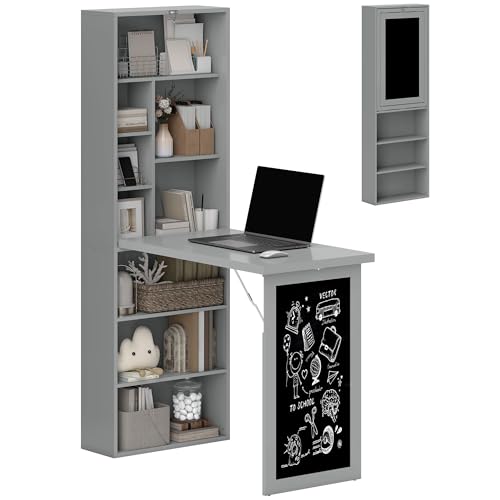
- Foldable Desks: Use a compact desk that can be stowed away when not needed, preserving space for movement.
- Wall-Mounted Folding Tables: These can be tucked away when you need more area for activities but are easily deployed for dining or work.
Multipurpose Accessories
Incorporate decorative pieces that offer functionality. Look for colorful baskets that can serve as both art and storage solutions for items like magazines or throws.
- Wall Shelves: Opt for shelves that double as a display area for photos or books while maintaining ample storage.
- Mirrors: Large mirrors enhance perception of space, while also serving a practical purpose for getting ready.
Smart Technology
Integrate tech-savvy devices that offer flexibility and convenience, such as smart assistants that can manage lighting, music, or even temperature.
- Wireless Charging Stations: Choose tables that come equipped with charging capabilities to reduce clutter from cords.
- Smart Lighting: Install dimmable or color-changing bulbs that allow you to adjust ambiance according to activity.
Selecting Light Colors and Materials
Opt for a palette of soft, neutral shades like pale gray, light beige, or off-white for walls and larger elements. These hues enhance brightness and create an illusion of spaciousness. In terms of accents, consider pastel tones or gentle patterns that maintain this airy feeling without overwhelming the senses.
Materials play a significant role in achieving a light and open atmosphere. Choose furniture crafted from lightweight elements, such as metal or engineered wood, which not only reduces the visual weight but also contributes to a clean aesthetic. Upholstery should feature lighter fabrics like linen or cotton in subtle colors, adding comfort while keeping the look airy.
Incorporate glass or acrylic pieces to further maintain an open vibe. These transparent materials reflect light and allow visibility through them, preventing the space from feeling cramped. Use mirrors strategically; they can amplify light and give the impression of depth.
The key is to strike a balance between functionality and visual lightness, ensuring each element contributes to an upbeat and spacious environment.
Using Mirrors to Create Illusions of Space
I recommend placing mirrors strategically to enhance the perception of spaciousness in any confined area. A large mirror on a focal wall can reflect light, making the space appear larger and more open. Positioning it opposite a window can maximize natural light, further amplifying the airy feel.
Experimenting with various mirror shapes, such as round or angular designs, can add character while contributing to the illusion of depth. Using multiple smaller mirrors can create a gallery effect, which maximizes reflective surfaces without overwhelming the aesthetic.
Incorporating mirrored furniture, such as a console or side table, adds both functionality and a modern touch while reflecting the environment around it. I suggest using these pieces as accents to keep a balance in visual weight.
Frame mirrors with light colors or metallic finishes to complement the existing color scheme. Consider placing a mirror behind a light source, such as a lamp or candle, to enhance illumination and create a layered lighting effect. This approach not only makes the space feel more extensive but also adds warmth and ambiance.
Finally, remember to maintain clear lines of sight to prevent clutter. Reflective surfaces can amplify any disarray, so staying organized is key to achieving that open, inviting atmosphere.