Caleb Turner

Identify undervalued products at thrift shops, garage sales, or online marketplaces. Prioritize pieces with solid construction and potential for aesthetic enhancement. Look for unique shapes or styles that can be easily transformed with a coat of paint or new upholstery. Keep your budget tight–spending less than $50 on each item often yields better returns.
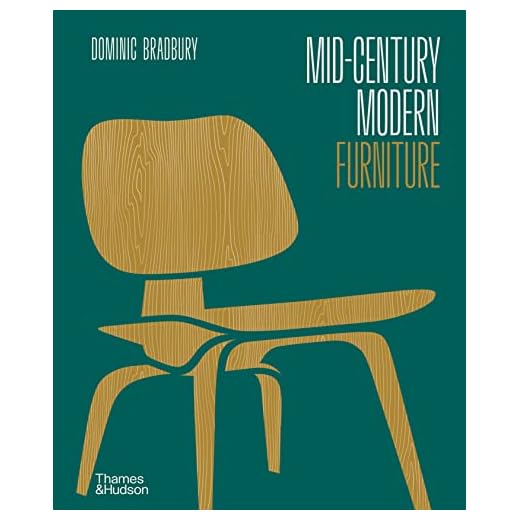
Research current trends in home decor to understand what styles are in demand. Popular designs like mid-century modern or farmhouse chic can increase your chances of a successful sale. Utilize social media platforms to showcase your transformations, as visually appealing photos can attract potential buyers. Ensure to take high-quality images that capture the essence of your revamped pieces.
Set realistic pricing for your items. Consider the total amount spent on acquiring and transforming each piece. An appealing markup–often between 30% to 50%–can be a good starting point, but remain flexible based on market response. Engaging with local community groups online can also facilitate sales and help establish a loyal customer base.

Maximizing Returns Through Quality Restoration
I focus on selecting pieces that only need minor touch-ups. Small scratches or outdated finishes often provide the best opportunities. I keep a range of supplies handy, including sandpaper, paint, varnish, and upholstery materials. Knowing basic restoration techniques can significantly elevate the market value of any item.
I also prioritize identifying unique characteristics of each piece. The more distinctive the item, the greater the interest from potential buyers. I research similar items online to gauge current trends and pricing, adjusting my strategy accordingly to appeal to specific audiences.
Pricing demands careful consideration. I aim for a balance by calculating all costs involved, including acquisition, materials, and my time investment. Creating an attractive price point while still ensuring a healthy margin is key. A compelling description that highlights the piece’s unique aspects certainly aids in attracting buyers.
Effective marketing is another pillar of my approach. High-quality photographs are essential, showcasing the item in various angles and staged in an appealing environment. I utilize multiple platforms for sales, leveraging both online marketplaces and local listings. Engaging with potential customers through clear and prompt communication reinforces trust and accelerates transactions.
Identifying Valuable Furniture Pieces to Flip
Research local thrift stores, estate sales, and online marketplaces for unique and sought-after items. Prioritize pieces made from solid wood, vintage designs, or those with a strong brand reputation.
Key Features to Look For:
- Condition: Check for structural integrity; avoid items that require extensive repairs.
- Style: Mid-century modern, industrial, and farmhouse styles are currently in demand.
- Materials: Solid wood, high-quality fabrics, and metal components typically command higher prices.
- Age: Genuine antiques or well-preserved vintage items often attract buyers.
- Functionality: Multi-functional pieces or convertible designs can enhance value.
Research and Knowledge:
Stay informed about current trends and pricing on platforms like eBay or Etsy. Utilize apps like WorthPoint to assess past sales performance. Networking with local antique dealers can also provide insights into what sells.
When assessing an item, consider its potential resale value after minor repairs or updates. A fresh coat of paint or new upholstery can significantly increase appeal and price.
Being aware of popular seasonal trends can influence what items to target–focusing on outdoor furniture in spring or cozy pieces in fall can maximize sales.
Assessing Repair and Refurbishment Needs
I begin by closely inspecting each piece, identifying any signs of wear or damage. Noticing scratches, dents, or loose joints guides my approach. I check the structural integrity first; a sturdy frame is crucial for lasting value.
- Examine joints and connections to ensure they are secure. Reinforce any weak points as necessary.
- Test drawers and doors for functionality. Fix or replace hardware if needed to enhance usability.
- Assess the surface condition–scratches and stains can often be addressed with sanding or refinishing.
Next, I evaluate upholstery. If the item has fabric, I look for tearing, fading, or stains. Reupholstering can transform an unattractive piece but consider the cost versus potential return. If it’s leather, clean it properly and condition it to restore luster.
- Review fabric type; high-quality textiles provide better resale potential.
- Calculate reupholstering costs versus selling “as is.”
For wooden items, stripping and refinishing may be worthwhile. A fresh coat of paint or stain can significantly enhance appeal. Ensure compatibility between the finish and the original style to maintain authenticity.
- Use eco-friendly products when refinishing; this can add value to potential buyers.
- Keep an eye on age-related quirks like patina–it can either be a selling point or a reason for refurbishment.
Lastly, document all repairs made with before-and-after photos. This transparency boosts buyer confidence and can justify a higher asking price.
Choosing the Right Tools and Materials for DIY Projects
Selecting the correct tools can dramatically impact your restoration and resale success. I rely on a basic toolkit that includes a high-quality power drill, a set of screwdrivers, pliers, and a measuring tape. A sander with interchangeable grits helps me prepare surfaces for painting or staining. If I anticipate working with a lot of wood, I’ll include a hand saw for precise cuts.
Paint and Finishing Supplies
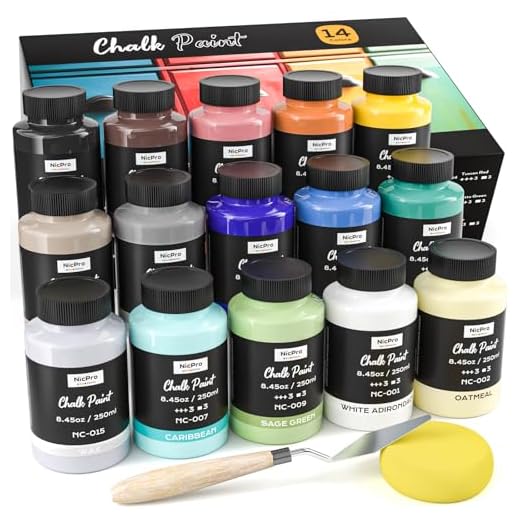
The choice of paint and finish can set the tone for the entire project. I routinely opt for chalk paint or milk paint, as these provide excellent coverage and a vintage feel. For sealing, I recommend a durable polyurethane or a matte varnish, as these enhance durability while preserving the piece’s aesthetics. Always test colors on a small area to ensure they achieve the desired look.
Upholstery Tools
<p If the project involves soft furnishings, investing in a staple gun, fabric scissors, and upholstery needles is crucial. I also keep a collection of fabrics handy, as well as foam padding for reupholstering. Selecting the appropriate fabric for durability and style can elevate the overall appeal significantly.
Creative Techniques for Upcycling Furniture
Transforming an old piece into a stunning addition begins with a fresh coat of paint. Choosing unique colors can dramatically alter the aesthetic. I often select bold hues or pastels, depending on the piece and its potential style. Don’t hesitate to mix techniques, like using chalk paint for a matte finish paired with a gloss topcoat for durability.
Incorporating Mixed Materials
Combining different materials can create a striking look. I often combine reclaimed wood with metal accents. For instance, adding metal legs to a wooden table enhances its modern appeal. When mixing materials, ensure that they complement each other to maintain cohesion in design.
Repurposing Functions
Consider repurposing items beyond their original use. An old dresser can become a kitchen island, and a vintage ladder can serve as a bookshelf. This approach not only adds function but also sparks creativity. I recommend brainstorming multiple uses for each piece before starting your project.
Marketing Your Flipped Furniture Online
Utilize high-quality images that showcase details and craftsmanship. Natural lighting and clean backgrounds help the piece stand out. I capture multiple angles to give potential buyers a complete view.
Craft engaging descriptions that highlight unique features, materials used, and potential uses. Incorporate keywords relevant to your item to enhance search visibility on platforms.
Leverage social media by sharing transformation stories, process videos, and before-and-after shots. Engaging content tends to generate interest and fosters community interaction.
Join online marketplaces dedicated to second-hand goods, as they attract target audiences looking for unique items. Specify your location and price competitively to appeal to local buyers.
Consider promoting listings with ads on social media channels, targeting demographics interested in home decor and DIY projects. Set a modest budget initially to gauge efficiency.
Engage with followers by responding to queries promptly and encouraging feedback. Building trust enhances purchasing confidence and can lead to referrals.
Participate in relevant online groups and forums. Sharing tips and experiences can establish credibility and generate interest in what I offer.
Understanding Pricing Strategies for Maximum Profit
I recommend conducting thorough market research before determining the price of each item. Analyze similar pieces within local and online marketplaces to gauge their selling prices. Creating a comparative price table can aid in this process:
| Item Description | Condition | Market Price | Target Profit Margin | Suggested Selling Price |
|---|---|---|---|---|
| Classic Oak Dining Table | Restored | $400 | 30% | $520 |
| Vintage Chest of Drawers | As-Is | $150 | 50% | $225 |
| Rustic Coffee Table | Refurbished | $200 | 40% | $280 |
| Mid-Century Lounge Chair | Good Condition | $250 | 25% | $312.50 |
Develop a pricing strategy based on costs incurred, including repairs, materials, and time investment. I typically consider a markup between 30% and 50% depending on the piece’s uniqueness and condition. Products with distinct attributes, such as antique or designer labels, can command higher prices.
Seasonality impacts demand, so adjust prices accordingly during peak buying times, such as holidays or graduation seasons. Monitor trends in home decor to align your pricing strategy with current buyer interests.
Don’t hesitate to experiment with pricing. Try different price points and track sales performance. If an item doesn’t sell after a set period, consider lowering the price or offering bundle deals to entice potential buyers.
Building a Network of Buyers and Sellers
Engaging regularly with local marketplaces and online platforms can yield fruitful connections. I recommend joining Facebook groups or forums dedicated to home decor and DIY enthusiasts. Here, you can showcase your projects while discovering potential customers and fellow sellers. Frequent participation and interaction foster trust and credibility.
Leverage Social Media Platforms
Utilizing platforms like Instagram and Pinterest is crucial. Create aesthetically pleasing posts featuring your modified items. Use relevant hashtags to reach a wider audience. Consider collaborating with influencers in the home improvement niche to gain visibility. Their endorsements can attract followers who appreciate unique pieces.
Attend Local Events and Flea Markets
Participating in community events and flea markets can directly connect with buyers. Set up a charming display that highlights your creations. Offer discounts for those who follow your social media pages or sign up for a newsletter, enhancing your connections and driving sales.
Networking with other sellers opens doors to sharing resources and tips on sourcing materials. Building relationships with local craft shops can provide access to exclusive deals or partnerships that benefit your endeavors. Seek out workshops in your area, as these events often attract individuals passionate about upcycling.
Utilize Email Marketing
Collect email addresses from buyers for future promotions. Sending regular updates about new pieces or special sales can maintain interest and encourage repeat purchases. Keeping communication personal can turn one-time buyers into loyal clients.
Creating a well-rounded network will not only boost sales but enhance the creativity and inspiration needed for future projects.
FAQ:
What are the first steps to take when considering flipping furniture for profit?
When you’re considering flipping furniture for profit, it’s important to begin with research. Identify your local market and understand what styles and items are in demand. Browse online marketplaces like Craigslist or Facebook Marketplace to see which pieces sell quickly and for what prices. Additionally, try visiting thrift stores, garage sales, and estate sales to find items that you can buy at a low cost. A thorough evaluation of your potential profit margins is also key; factor in the cost of any repairs or renovations that might be needed.
How do I determine the right pricing for my flipped furniture?
Setting the right price for your flipped furniture involves several factors. First, consider the initial purchase price and add any costs related to repairs, materials, and time invested. Research similar items online to see their selling prices and assess their condition compared to yours. A good strategy is to position your price slightly lower than comparable listings to attract buyers quickly. However, ensure that your pricing still reflects the value of your work and any unique features of the piece. Lastly, gauge the interest from potential buyers and be open to negotiations.
What types of furniture are best for flipping, and why?
Some types of furniture are more suitable for flipping due to demand and ease of refurbishment. Wooden pieces, such as dressers, tables, and chairs, tend to be popular because they can often be sanded down and refinished, giving them a fresh look. Vintage furniture is also sought after; items with unique designs or history can command higher prices. Upholstered furniture, especially sofas and chairs, might require more effort due to cleaning or reupholstering, so consider your skill level and the costs involved. Keep an eye out for pieces that have solid structures but may need cosmetic updates.
What are some common mistakes beginners make when flipping furniture?
Beginners often make several mistakes that can affect their flipping ventures. One common error is underestimating the costs associated with refurbishing furniture, which can eat into profits. Another mistake is not thoroughly cleaning or repairing items before listing them, leading to lower sale prices. Some also overlook the importance of good photography; poor images can deter potential buyers, while high-quality photos can enhance interest in the piece. Lastly, failing to pay attention to market demand can result in unsold furniture, so it’s important to stay informed about current trends.