Caleb Turner

Applying a mixture of walnut oil and vinegar can be a straightforward remedy for minor blemishes. Utilize a soft cloth to gently rub the solution into the affected area, making sure to follow the grain of the material. This approach not only helps to fill in some of the imperfections but also enhances the overall tone.
If the marks remain, consider using a specially formulated touch-up marker designed for darker surfaces. Select a shade that closely matches the hue of your item and carefully apply it to the affected zones. Allow it to dry thoroughly before assessing the results.
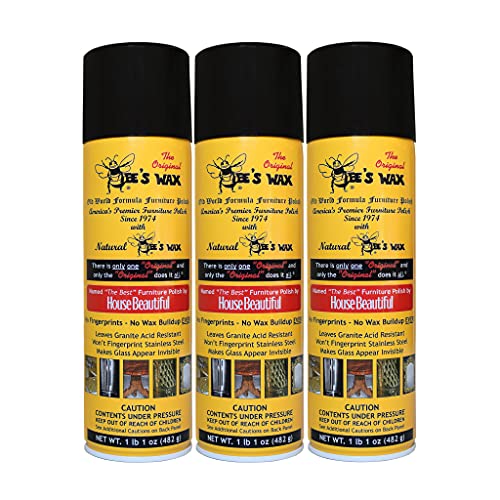
For deeper imperfections, blending a small amount of furniture polish or wax can provide an additional protective layer. After application, buff the area with a clean, dry cloth to achieve a uniform finish. Keeping these items maintained with regular care can prevent future wear and prolong their life.
Repair Techniques for Dark Timber Surfaces
I often turn to a simple blend of vinegar and olive oil for minor blemishes. Mix equal parts of these two ingredients, apply a small amount to a soft cloth, and gently rub it over the affected area. This can help mask imperfections and add a layer of sheen.


Another method I find effective involves utilizing a high-quality marker in a shade that closely matches the finish. Carefully dab the tip onto the area, blending it gently with a cotton swab or your fingertip to ensure an even look. Allow it to dry completely before applying a protective finish.
For deeper imperfections, I recommend using a filling wax stick that matches the surface. Warm the stick slightly to soften it, then press it into the damaged area. After it sets, smooth the surface with a cloth for a seamless fit.
Maintaining the original sheen can be achieved with a touch-up spray designed for glossy surfaces. Spritz it lightly and buff with a clean microfiber cloth to restore a uniform appearance.
Remember to always test any repair method on an inconspicuous area to ensure compatibility with your particular finish before proceeding with visible surfaces. This is an essential step to prevent further damage.
Assessing the Damage: Identifying Scratch Depth
Begin by examining the area closely. I determine the depth of each mark using my fingernail. If it catches and feels like a groove, the indentation is likely deep. For shallow ones, my nail glides over the surface smoothly, indicating minor damage.
Visual Identification
Next, I check for color changes. A darker hue may suggest a deeper issue, while lighter scratches often remain superficial. To highlight this, I consider the following:
- Light scratches: Often can be buffed out or treated without extensive effort.
- Medium scratches: Might need some wax or polish for restoration.
- Deep scratches: Will frequently call for sanding or refinishing.
Testing Techniques
I also conduct practical assessments using a damp cloth. When I gently wipe the affected area, if moisture darkens the scratch, it’s an indicator that the seal is compromised, confirming a deeper flaw that requires more intensive care.
By categorizing each mark by depth and type, I can make informed decisions on the most suitable restoration method, ensuring a thoughtful approach to maintaining the appearance of my items.
Choosing the Right Repair Method for Your Furniture
Begin by determining the best approach for your specific situation. If the imperfection is superficial, a simple touch-up marker or crayon designed for wood can blend it seamlessly. For deeper marks, opt for a wood filler that matches the finish, applied with a putty knife for a smooth surface.
For more pronounced blemishes, consider using a colored wax stick to fill in the area. This provides a durable solution and can be buffed to restore shine. If the blemish affects a larger portion, refinishing may be necessary. In such instances, sanding the damaged area lightly followed by applying a matching stain and sealant yields optimal results.
Assess environmental factors too; humidity and temperature vary, influencing the choice of products. A repair method should align with the conditions in your space to ensure longevity. Always test the selected method on a small, inconspicuous area before proceeding to avoid further damage.
Finally, if unsure, seeking professional assistance could provide tailored solutions and preserve the integrity of your beloved possession.
Using a Black Wood Furniture Marker for Minor Scratches
For small abrasions on dark surfaces, a dedicated marker can be a quick solution. Start by selecting a marker that closely matches the hue of your item. Test it on an inconspicuous area to ensure color compatibility.
Application Process
After confirming the marker’s color, gently shake the pen to mix the pigments. Apply it directly onto the affected areas, using light strokes to avoid excess buildup. Wipe off any surplus with a clean, dry cloth to maintain a smooth finish.
Final Touches
Once the ink dries, assess the area. If needed, repeat the application for a deeper tone. To protect the surface, consider applying a clear wax or polish after the marker has fully cured. This not only enhances the appearance but also adds a layer of defense against future wear.
Application of Wood Stain for Deeper Damage
First, select a stain that closely matches the finish of your item. Using a color swatch, test the stain in an inconspicuous area to ensure a compatible match.
Materials Needed
| Item | Purpose |
|---|---|
| Wood stain | To restore color |
| Soft cloth | For application |
| Sandpaper (fine grit) | To smooth the area |
| Sealant | For protection |
Sand the area around the mark lightly to promote adhesion, ensuring to blend it with the surrounding surface. Apply the stain with a soft cloth, using a circular motion, concentrating on the damaged area. Allow it to penetrate for a few minutes, then wipe off excess with another clean cloth to avoid unevenness.
After the stain dries completely, evaluate the color. If necessary, apply a second coat for a more uniform look. Finish with a protective sealant to guard against future wear and tear. Check drying times on the stain and sealant packaging for optimal results.
Filling Scratches with Wood Filler: A Step-by-Step Guide
For filling imperfections in furniture surfaces, I recommend using a high-quality wood filler that matches the shade of the finish. The following steps are crucial for a successful application.
1. Gather Materials: Prepare the needed supplies including wood filler, a putty knife, fine-grit sandpaper, a damp cloth, and varnish that matches the finish.
2. Clean the Area: Wipe the area around the flaw with a damp cloth to remove any dust or debris. Ensure the surface is dry before proceeding.
3. Apply Wood Filler: Using the putty knife, carefully press the filler into the imperfection. Make sure to overfill slightly to allow for sanding later.
4. Let it Cure: Allow the compound to dry completely as per the manufacturer’s instructions. This may take several hours.
5. Sanding: Once dry, use fine-grit sandpaper to smooth the filled area until it is level with the surrounding surface. Be gentle to avoid damaging the surrounding finish.
6. Clean Again: Wipe the area with a damp cloth again to remove any dust created during sanding. Ensure it’s dry before the next step.
7. Staining and Sealing: If needed, apply the matching stain to blend the patched area with the rest of the surface. Once that dries, use the varnish to seal the area for added protection.
By following these specific steps, I can efficiently restore the surface and ensure a seamless appearance.
| Step | Action |
|---|---|
| 1 | Gather Materials |
| 2 | Clean the Area |
| 3 | Apply Wood Filler |
| 4 | Let it Cure |
| 5 | Sanding |
| 6 | Clean Again |
| 7 | Staining and Sealing |
Polishing and Buffing Techniques for a Smooth Finish
I recommend using a high-quality polish specifically designed for dark surfaces. This aids in restoring the luster and depth of color. Apply the polish with a soft, lint-free cloth in small circular motions. This technique helps to evenly distribute the product while avoiding streaks.
Steps for Effective Polishing
- Clean the surface thoroughly with a damp cloth to remove dust and debris.
- Apply a small amount of polish onto the cloth, not directly on the surface.
- Work the polish into the surface gently, focusing on areas that may require extra attention.
- Allow the polish to sit for a few minutes to let it penetrate the finish.
- Buff the surface with a dry section of the cloth to bring out the shine.
Buffing for a High-Gloss Finish
After polishing, buffing can enhance the sheen further. Use a clean, dry microfiber cloth for this step.
- Hold the cloth in your hand and use a side-to-side motion.
- Apply light pressure; the goal is to create warmth through friction, which helps to set the polish.
- Continue buffing until you achieve the desired sheen.
For an additional boost, consider using a buffing pad attached to a low-speed buffer. Use this method sparingly to avoid damaging the surface.
Regular maintenance through these polishing and buffing techniques will help keep your pieces looking their best.
Preventing Future Scratches on Dark Furnishings
To maintain the pristine condition of my ebony furnishings, I take several proactive measures. First, I place soft felt pads under vases, lamps, and decorative items to avoid direct contact with the surface.
I also incorporate coasters for drinks, which effectively safeguards against moisture and heat damage. For heavy items, I ensure they rest on a protective mat or cloth to distribute weight evenly.
Regular cleaning is essential. I use a damp cloth for dusting, followed by a dry microfiber cloth to avoid any abrasive particles that may scratch during cleaning.
To further fortify surfaces, I apply a quality wax or a dedicated polish designed for dark finishes. This not only enhances the shine but also forms a protective barrier against potential abrasions.
Lastly, I’m mindful of where I place my furnishings. Keeping them away from high-traffic areas and direct sunlight minimizes risks of unexpected impacts and fading. By adopting these steps, I succeed in preserving the allure of my unique pieces.
When to Seek Professional Help for Furniture Repair
If the damage to your piece is extensive or goes beyond surface-level imperfections, it may be time to consult an expert. Here are specific situations where getting professional assistance is advisable:
- Severe Damage: When deep gouges or cracks compromise the structural integrity, a skilled artisan can restore it correctly.
- Multiple Areas Affected: If numerous locations require attention, a specialist can address the repairs more efficiently and effectively.
- Complex Techniques Required: For intricate techniques like veneering or extensive refinishing, expertise is essential to achieve a seamless result.
- High-Value Items: Valuables, whether antiques or expensive designs, should be handled by professionals to maintain their worth.
- Persistent Restoration Issues: If your DIY efforts haven’t yielded the desired outcome, enlisting a craftsman might be necessary to rectify prior mistakes.
Assess each case carefully to determine if the unique requirements warrant hiring a professional. Often, their experience and tools can save both time and effort in the long run.
Maintaining Dark Timber Pieces: Best Care Practices
I recommend using a soft microfiber cloth for regular cleaning. This material captures dust and prevents particles from scratching surfaces. For more thorough cleansing, a solution of mild soap and water is effective. Be sure to wring out the cloth well to avoid excess moisture.
Applying a protective finish every few months will enhance the appearance and durability of the surface. A quality furniture polish specific to dark finishes creates a barrier against wear. Always check the label to ensure compatibility with your item’s surface.
Avoid using abrasive cleaners or tools, as they can cause irreversible damage. Instead, consider gentle alternatives like baking soda mixed with water for tougher stains. This paste can lift marks without compromising the finish.
For daily upkeep, keeping sharp objects and rough materials away from surfaces helps maintain a pristine look. Use coasters or placemats beneath items to prevent potential damage from heat or moisture.
Maintaining optimal humidity levels in your space can also be beneficial. Too much or too little moisture can lead to warping or cracking. A humidifier or dehumidifier may be necessary to achieve a balanced environment.
Regularly inspecting for signs of wear or fading will allow for prompt action, preserving the beauty of your dark timber pieces. With these practices, longevity and aesthetic appeal will be sustained over time.