
 Caleb Turner
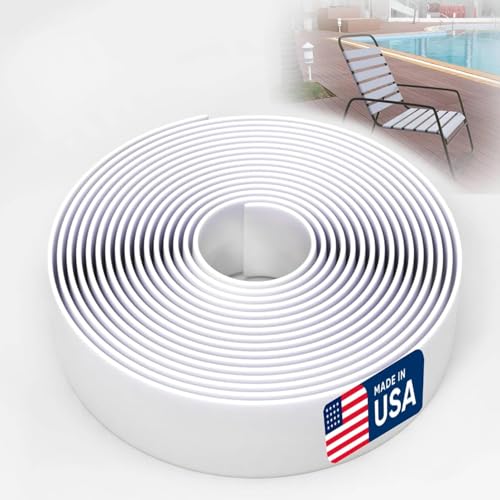
To rejuvenate the seating area, I recommend directly replacing the worn-out material with sturdy replacements. Choosing a durable polyester or nylon will ensure longevity and weather resistance.
First, remove the old material carefully to avoid damaging the frame. Use a pair of scissors or a utility knife to cut any old fibers that may hinder a smooth removal. Take measurements of the existing sections to match the new strap accurately.
Next, secure the new material using either a sewing machine or a heavy-duty adhesive designed for outdoor use. If sewing, make sure to use UV-resistant thread to prevent future deterioration. For a cleaner finish, consider heat-sealing the ends to avoid fraying.
After installation, it’s wise to treat the new straps with a protective coating to add an extra layer of defense against the elements. Regular maintenance checks will prolong their life, keeping your relaxation space inviting.


Identifying the Type of Straps Used in Your Furniture
To determine the specific kind of bands utilized in your seating or lounging pieces, examine the material closely. Common options include nylon, which is lightweight and resistant to water, and polyester, known for its durability and UV resistance. Additionally, cotton blends can provide comfort but may not withstand the elements as well.
Next, check the width and texture of the bands. Wider options offer more support while narrower ones may be easier to adjust. Textured surfaces often provide better grip.
Inspect the attachment points. Some may use clips or D-rings for securing, while others might involve sewing mechanisms. Understanding these details aids in assessing compatibility with replacement options.
Finally, assess the wear and tear. If fraying or discoloration is evident, it may signal the need for a closer look at replacement materials. This can prevent further degradation and enhance the longevity of your seating arrangements.
Tools Needed for Strap Repair
For a successful restoration task, gather the following instruments: a pair of scissors, specifically designed for cutting nylon or polyester materials, will be indispensable for trimming worn sections. A measuring tape ensures precise dimensions for new components, ensuring a snug fit. Use a flat-head screwdriver or a similar tool to pry off connectors or fasteners that may be secured tightly. A heavy-duty needle, accompanied by strong, waterproof thread, allows me to stitch any new material onto the existing structure effectively. If you have access to a sewing machine, it can greatly expedite the stitching process for longer pieces.
A lighter can also come in handy for melting the ends of synthetic fibers to prevent fraying. A pair of pliers will assist in tightening or loosening any metal fixtures that are part of the joining mechanism. Additionally, having a dedicated workspace with a cutting mat will provide a safe and efficient area to perform the task without damaging surfaces.
Finally, consider wearing safety gloves, especially when dealing with sharp tools, to protect my hands during the repair procedure. Having these tools ready will smooth the pathway to a successful repair outcome.
Removing Damaged Straps Safely
First, ensure I’m working in a safe environment. I wear protective gloves to avoid injury. If the furniture has any protruding parts, I carefully check for sharp edges before proceeding.
Using a straight-blade screwdriver, I carefully pry off any clips or fasteners holding the worn material in place. I apply gentle pressure to avoid damaging the surrounding areas. If the damage is more significant, I may need to cut the old material. I use scissors or a utility knife for this, ensuring the blade is sharp to make a clean cut.
Next, I inspect the attachment points where the material connects to the frame. If there are screws or nails, I might need a power drill or a manual screwdriver, depending on the type of fasteners used. I ensure to keep track of all hardware removed for later use.
If the material is fused or glued in place, I apply a heat source, such as a heat gun, at a low setting. This loosens the adhesive without damaging the finish of the frame. I slowly peel away the old material once it starts to soften.
After removing everything, I clean the area of any debris or leftover adhesive. This creates a smooth surface for the new material installation. With everything ready, I’m set for the next step in the repair process.
Choosing the Right Replacement Straps
For a successful restoration project, selecting suitable replacement materials is critical. I recommend choosing UV-resistant vinyl, as it is durable and maintains color without fading over time. If your piece is exposed to harsh weather, consider materials with added mildew and mold resistance.
Consider Dimensions and Width
Measure the width and length of your existing materials before purchasing replacements. Standard widths range from 1 to 3 inches. If these dimensions are mismatched, it can affect comfort and support.
Material Color and Texture
Match the new components with the current aesthetic. Available colors can vary widely; ensure they complement existing shades. Additionally, consider texture–smooth surfaces tend to be simpler to clean. A textured finish might provide a better non-slip experience.
Step-by-step guide to reattaching straps
Begin with securing the new band by threading it through the frame openings where the old piece was removed. Follow this method:
- Feed one end of the new band through the first frame hole.
- Pull the band through until a sufficient amount remains on both sides for fastening.
- Thread the opposite end through the corresponding hole in the frame.
Next, form a consistent pattern, alternating on each side to maintain balance. For optimal support, perform the following steps:
- Adjust the length of the band evenly on both sides.
- Cross the band back through any additional holes in the frame if present, ensuring it is taut but not overly stretched.
- Check the tension across the entire surface for uniformity.
Securing the band
Once the band is positioned correctly, it’s time to secure it:
- Use a tool to clamp the ends tightly, preventing any movement during use.
- Optionally, add a drop of adhesive to the ends for additional hold if the design permits.
Finally, verify that everything is secured by gently tugging at the material. Adjust if necessary to ensure that the setup is firm and stable before using the item once again.
Techniques for Securing Straps Tightly
For a tight hold, use a combination of methods. Begin with a double knot; this technique creates a secure bind that can withstand tension. After tying, ensure the strap is taut. Pull firmly on both ends while adjusting to eliminate slack.
Next, consider using a tensioner tool. This device applies pressure evenly across the strap, enhancing the grip. Place the strap into the tensioner, and twist the handle to achieve the desired snugness. Be cautious not to over-tighten to avoid damaging the material.
Incorporate a backup fastening method for added security. A small piece of adhesive tape can stabilize joints. Wrap the tape around the connection point once the strap is secured, creating an extra layer of support.
Regularly inspect for wear and tear. If any signs of fraying appear, it’s prudent to adjust or replace the strap promptly. This proactive approach helps maintain integrity and longevity.
Maintaining Straps for Longevity
Regular upkeep is key to prolonging the lifespan of the supports on your patio seating. Begin by regularly inspecting them for signs of wear, such as fraying or fading. This allows for early detection and timely action.
Cleaning and Care
Clean the supports using a mild soap solution and a soft cloth. Avoid abrasive materials that can cause damage. Rinse thoroughly and allow them to dry completely to prevent mold and mildew growth.
Seasonal Storage
When not in use, store seating in a dry, protected area to shield against harsh weather. If outdoor storage is necessary, consider using covers or tarps specifically designed to safeguard against UV rays and moisture.
| Action | Frequency |
|---|---|
| Inspection for damage | Monthly |
| Cleaning | Every season |
| Storage | Off-season |
By implementing these maintenance practices, I ensure the supports remain functional and visually appealing over time.
Common Mistakes to Avoid During Repairs
Rushing through the project often leads to misalignment. Take time to measure the existing pieces accurately before cutting or replacing any component.
Neglecting Surface Preparation
Failing to clean surfaces can hinder adhesion. Always clean and dry the areas where new materials will be installed to ensure proper bond.
Ignoring Manufacturer Specifications
- Check the recommended materials for replacement. Using incorrect types can compromise structural integrity.
- Adhere to installation instructions provided by the manufacturer. Bypassing these can result in future issues.
Over-tightening connections is a frequent problem. This can lead to damage, especially with nylon or plastic components, which may warp or break under excessive pressure.
Finally, avoiding regular maintenance after installation can drastically shorten the lifespan of new components. Schedule routine checks to keep everything in good condition.


