
 Caleb Turner
One simple solution involves assessing the foundation of the piece. Check for any loose joints or connections and tighten them with appropriate screws or brackets. This reinforces the structure and can significantly improve stability.
Next, consider replacing worn-out materials. For instance, if cushions have lost their shape, opt for high-density foam for better support. This not only enhances comfort but also prolongs the lifespan of your seating.

If the armrests or legs appear weak, adding wood or metal supports can reinforce these areas. A few well-placed brackets or additional lumber can transform a wobbly setting into a sturdy spot for relaxation.
Lastly, use protective coverings when not in use to shield your items from the elements. This simple habit can prevent deterioration and keep your seating looking new for years to come.
Identifying the Causes of Sagging Furniture
Begin by examining the structural integrity of the piece. Look for loosened joints or connections where components may have weakened over time. Inspect the support beams and legs; they should provide a stable foundation. If they’re cracked or warped, that may significantly contribute to the droop.
Material Inspection
Assess the materials used in the construction. Wood may warp due to moisture exposure. Metal can become rusted or corroded, compromising strength. Likewise, synthetic materials might degrade under UV exposure. Knowing what your seating is made from allows for more informed repairs.
Weight Distribution
Consider the weight limits of the seating. Overloading can distort frames and create uneven surfaces. Review how the weight is applied; if certain areas bear more load, it can lead to an imbalance. Identifying the root cause can streamline your repair process.
Assessing the Damage to Your Furniture Structure
I recommend thoroughly examining each piece for cracks, splits, or warped areas. Begin with the legs and support beams, as these components bear the most weight. Inspect joints where pieces connect; problems often arise here due to stress or deterioration.
Check for any signs of rust on metal parts or fading wood. If your seat or tabletop has unevenness, measure the height of each corner with a level. This will reveal if there’s any lateral stress affecting stability.
Use your hands to feel for softness in wooden sections, indicating potential rot. Pay attention to any creaking sounds during this inspection, as they signal weakness.
Take detailed notes on the condition of each item. Documenting these observations will be useful for planning repairs and ensuring consistency throughout your restoration efforts.
If possible, take photographs to track the damage visually. A visual record can be beneficial in determining whether further deterioration occurs, guiding your ongoing maintenance plans.
Evaluate the overall age of the item in question. Vintage pieces, while charming, may require more attention due to wear. Prioritize your assessment based on material, structural integrity, and expected use.
Choosing the Right Tools for Furniture Repair
Gathering the appropriate tools is critical for effective repairs. Here’s a concise list of what you will need:
- Screwdriver Set: A variety of screwdrivers ensures compatibility with different fasteners.
- Wrench Set: Useful for tightening or loosening nuts and bolts.
- Wood Glue: Ideal for reattaching components securely. Look for waterproof options to enhance durability.
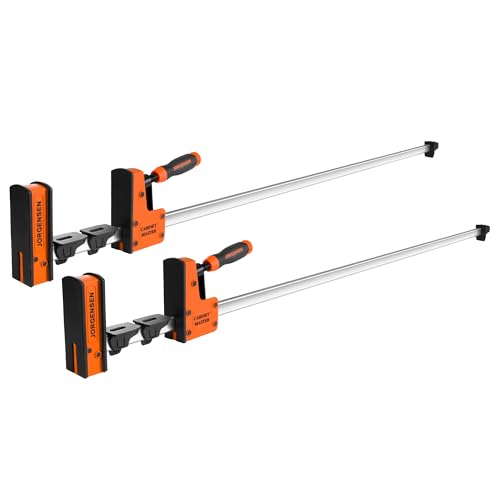
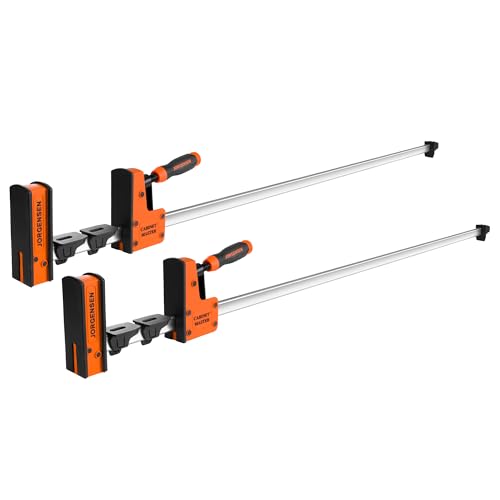
- Clamps: These provide necessary pressure while glue sets, ensuring strong bonds.
- Level: A must-have for assessing the straightness and stability of support structures.
- Measuring Tape: Perfect for measuring any replacement materials needed.
- Saw: A handsaw or circular saw is essential for cutting wood if structural parts require replacement.
- Sanding Block or Power Sander: For smoothing surfaces before and after applying finishes.
Additional Supplies
Depending on the extent of your project, you might require:
- Wood Filler: To repair small holes and cracks.
- Finish Paint or Stain: For protecting and enhancing the appearance of the wood.
- Protective Gear: Such as gloves, goggles, and masks to ensure safety during the repair process.
Workstation Setup
Set up a clean, well-lit area for your repairs. Having ample space allows for easier access to tools and materials, promoting an efficient workflow.
Reinforcing Frames with Additional Support
To strengthen the structure of your seating, I recommend adding support beams underneath the surface. Choose wood or metal braces that can evenly distribute weight and reduce strain on vulnerable areas. For wooden pieces, consider 2×4 lumber; for metal options, select L-brackets or angle iron for durability.
Installation Techniques
Begin by measuring the distance between existing slats or legs. Cut the support beams to fit snugly without obstructing movement. Use a drill to secure them tightly in place. If using L-brackets, position them at corners and along the length of the frame to maximize stability.
Evaluating Stability Post-Installation
After installation, test the reinforced structure by applying weight gradually. Observe for any unusual creaks or shifts. If everything appears stable, additional layers of support can be added if desired for extra confidence in the strength of the assembly.
Replacing Worn-Out or Damaged Slings and Cushions
Replacing slings and cushions is straightforward but requires a few steps for successful outcomes. First, remove the old slings or cushions carefully, avoiding damage to the frame. Use a screwdriver or pliers to take out any fasteners, if necessary.
Choosing New Materials
Select materials that match your lifestyle and environmental conditions. Sunbrella fabric is popular for its durability and resistance to fading. For slings, consider heavy-duty mesh or vinyl that holds up well against the elements.
Measuring and Cutting
Accurate measurements are crucial. For slings, measure the length and width that fits your frame. Add a few extra inches to ensure proper attachment. Cut the new material accordingly, using sharp scissors for clean edges.
| Material Type | Durability | Maintenance |
|---|---|---|
| Sunbrella Fabric | Highly durable, resistant to fading | Easy to clean, machine washable |
| Vinyl Sling | Resistant to moisture and mildew | Wipe with damp cloth, minimal upkeep |
| Heavy-Duty Mesh | Strong, breathable | Hose off, quick drying |
For reinstallation, secure slings using the original fasteners or new ones if necessary. Ensure that all attachments are tight, as this will prolong the lifespan of your seating. For cushions, insert them back into the covers and close zippers, ensuring they fit snugly without gaps.
Regularly inspect for wear and tear, which will help determine when replacements are needed again. Taking proactive measures preserves comfort and extends the life of your outdoor pieces.
Maintaining Your Furniture to Prevent Future Sagging
Regular inspections and maintenance are key. I check my items frequently for signs of wear, paying special attention to joints and supports. Tightening screws and bolts whenever necessary can extend their lifespan significantly.
Cleaning Methodology
Using a gentle soap mixture and warm water, I clean surfaces to prevent the accumulation of dirt and grime. A soft brush helps reach crevices without scratching delicate finishes. After rinsing, I ensure everything is thoroughly dried to avoid moisture damage.
Protective Measures
I store my items during harsh weather conditions, using protective covers when possible. If storing indoors isn’t an option, investing in high-quality covers can shield against sun damage and rain, significantly reducing deterioration.
Applying a sealant or protective coating periodically safeguards wooden varieties from elements, while metal items benefit from rust-resistant sprays. Regularly conditioning materials like wicker or rattan keeps them flexible and resistant to breakage.
Finally, keep cushions off the ground when not in use. Using racks or storage bins prevents moisture absorption and maintains their integrity.


