Caleb Turner

To rejuvenate your resin rattan seating, begin with a thorough cleaning. Mix warm water with a few drops of mild dish soap, then use a soft-bristle brush to scrub away dirt and grime. Rinse with a hose and let it dry completely in the sun.
For any faded or discolored areas, consider applying a specialized plastic restoration product. These solutions can effectively restore the original color and protect the surface from UV damage. Always test on a small, hidden area first to ensure compatibility.
If you encounter any tears or fraying, use a strong adhesive designed for outdoor materials. Apply the adhesive to the damaged area and hold it in place until it sets. For larger issues, you might need to replace individual strands; a close match in color will help maintain a cohesive look.
Lastly, to prevent future damage, store your seating in a shaded area or cover it during inclement weather. Regular maintenance will extend the lifespan of your outdoor pieces and keep them looking their best.


Repairing Synthetic Rattan External Seating
For broken strands, I recommend using a high-quality adhesive specifically designed for synthetic materials. Apply the adhesive directly to the damaged area and hold it in place for a few minutes until it sets.
In cases where the weave is loose, I carefully tighten the strands. I use a small pair of pliers to gently pull the slack through the frame. Be cautious not to pull too hard, as this can cause further damage.
To address fading caused by sunlight, I suggest using a color restorer or spray paint designed for outdoor plastics. Test on a small, inconspicuous area first to ensure compatibility with the material.
If the frame has minor scratches, I use a dedicated plastic polish. Applying it with a microfiber cloth can help restore shine and minimize the appearance of blemishes.
For severe cracks or breaks, I opt for a two-part epoxy. Mix according to package instructions, and apply it generously to the damaged area. After it cures, sanding the surface can offer a smoother finish that blends better with the original texture.
Lastly, prevent future issues by applying a UV protectant every few months. This will help maintain the color and integrity of the surface, extending the lifespan of the pieces.
Assessing Damage on Plastic Wicker Furniture
Begin with a thorough visual inspection. Check for cracks, breaks, or discoloration across the entire structure. Pay attention to joints and connections as they are common stress points.
Identifying Damage Types
Surface scratches are often cosmetic and can be addressed with touch-up markers or paint. Deeper cracks may require more attention; if they disrupt integrity, consider replacement of damaged sections. Note any sagging or unstable areas–these indicate potential foundational issues that need rectification.
Checking for Mildew and Mold
Examine for signs of mildew or mold, particularly in damp environments. Affected areas can be treated with a mixture of vinegar and water, applied and scrubbed gently with a soft brush. Failure to address these issues can lead to further deterioration.
Document findings with photographs for future reference. This record can assist in tracking progression over time and guide your repair strategy effectively.
Cleaning Techniques for Plastic Wicker Surfaces
I recommend using a soft-bristle brush or a microfiber cloth for routine cleaning of the surfaces. Start by mixing warm water with a mild detergent that is free of harsh chemicals. Gently scrub the furniture with the brush or cloth, making sure to reach into the crevices where dirt accumulates.
Stain Removal
For tougher stains, create a paste using baking soda and water. Apply it directly to the stain, let it sit for 10-15 minutes, then scrub with a soft brush. Rinse with clean water to ensure no residue is left behind.
Deep Cleaning Solution
To tackle deeper embedded dirt, consider a vinegar solution. Mix equal parts water and white vinegar in a spray bottle. Spray the solution onto the furniture and let it sit for five minutes before wiping with a clean cloth. This approach not only cleans but also helps to eliminate odors.
Repairing Cracks in Rattan Weaves
To address cracks in rattan structures, begin by identifying the extent of the damage. Use a fine-tipped tool, like a dental pick or a small screwdriver, to clean the area around the crack. This prepares the surface for better adhesion.
Materials Needed
Gather materials such as high-quality adhesive suitable for synthetic materials, a pair of scissors, and a matching replacement strand or cord. If necessary, consider using heat to soften the brittle plastic before applying repair material.
Repair Process
First, carefully apply adhesive along the crack, ensuring it penetrates well. Then, if a replacement strand is needed, cut it to the desired length and weave it into the existing pattern. Seal the ends with adhesive to secure the new piece. Allow sufficient drying time according to the adhesive instructions before using the item again.
Reinforcing Loose or Worn Wicker Sections
For sections that have become loose or frayed, I recommend using zip ties or thin wire to secure the loose strands. Begin by threading the material through the weave where it has detached, pulling it snugly without causing strain. Cut the extra length and secure with a knot or clip.
In cases where the external finish has worn away, a layer of outdoor-safe sealant can be applied to portions needing extra protection. This not only cosmetically improves the look but also adds a layer of durability against the elements.
If there are significant gaps in the weave, I suggest weaving in a similar type of material or nylon cord to maintain visual consistency. Carefully measure and cut pieces to fit, then weave them in using a strong knot to secure their placement.
To reinforce the overall structure, consider attaching thin wooden dowels or PVC pipes to the underside of the affected area. This adds stability and helps to realign any misaligned sections, ensuring the integrity of the entire piece.
For aesthetic concerns, matching paint or coating can be applied to the newly reinforced areas to blend in with the existing design. Always test on a small area first to ensure color compatibility.
Replacing Broken Strands in Wicker Furniture
To replace damaged strands, I begin by gathering necessary materials: matching synthetic strands, scissors, a heat source for sealing, and a pair of pliers. I carefully assess the area to identify where the break has occurred and determine if the strand can be removed without affecting adjacent pieces.
Using the scissors, I cut out the broken section, ensuring a clean edge. I then measure the length of the removed strand, cutting a new piece slightly longer to allow for adjustments. Next, I thread the new piece through the same weave pattern, following the original structure as closely as possible.
Securing the Replacement
Once the new strand is in place, I use a heat source to slightly melt the ends of the strand. This creates a secure bond that prevents fraying. After cooling, I tug gently to test its stability. If the connection feels loose, I reinforce it with an additional dab of adhesive designed for synthetic materials.
Final Touches
After the repair, I assess the area again, checking for any irregularities. If needed, I trim any excess strand and ensure that the replacement blends seamlessly with the original design. Regular maintenance checks will help catch future damage before it requires more significant repairs.
Choosing the Right Adhesive for Plastic Repairs
For bonding components, I recommend a cyanoacrylate adhesive, commonly known as super glue. It’s ideal for quick fixes due to its rapid curing time and excellent bonding strength with various polymers. Ensure surfaces are clean and dry before application for optimal results.
Epoxy Resins
If the repair requires a more robust and durable solution, epoxy resins are an excellent choice. These two-part adhesives provide superior strength and can fill gaps effectively. Mix the resin and hardener as instructed, then apply it to the damaged area. This type of adhesive is also resistant to moisture, making it suitable for exterior applications where exposure to the elements is a factor.
Plastic-Specific Adhesives
For the best adherence to synthetic materials, I often use adhesives specifically formulated for plastics. These blends provide flexibility and are designed to bond chemically with the material, ensuring a secure hold. Read the manufacturer’s guidelines to ensure compatibility with the type of polymer being repaired.
Painting and Refinishing Plastic Wicker Furniture
I recommend using spray paint formulated for outdoor use to rejuvenate the look of synthetic rattan pieces. Start with a high-quality primer designed for plastics to ensure proper adhesion. Apply the primer in a thin, even coat and allow it to dry completely before moving on to the paint. Choose a spray paint in your desired shade, and apply it using a sweeping motion to avoid drips. Two to three light coats will yield the best results.
Prior to painting, clean the surface thoroughly. A mixture of mild soap and water works well; scrub with a soft brush to remove dirt and grime. Ensure that the item is completely dry before commencing with the priming process.
After painting, a clear sealant can provide an added layer of protection against UV damage and moisture, extending the longevity of the finish. Look for a spray-on sealant suitable for use on plastic materials. Apply it after the paint has cured for optimal results.
When it comes to refinishing, consider using a textured spray paint for a unique finish that mimics the original material’s look. This technique can effectively mask imperfections and enhance aesthetic appeal.
| Step | Description |
|---|---|
| 1. Clean | Use mild soap and water to scrub away dirt. |
| 2. Prime | Apply a plastic-specific primer, allow it to dry. |
| 3. Paint | Use outdoor spray paint in multiple thin coats. |
| 4. Seal | Apply a clear sealant for protection against elements. |
This method ensures that your synthetic weave remains visually appealing while enhancing its resilience against wear and environmental factors.
Preventative Measures to Extend Furniture Life
Regular maintenance is key to prolonging the lifespan of your outdoor seating. I recommend the following approaches:
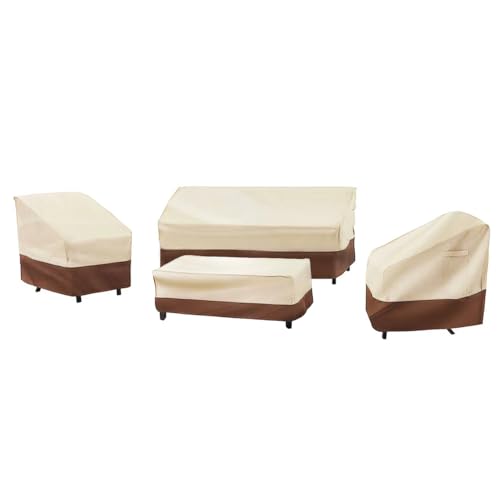
- Covering: Invest in protective covers when the items are not in use. This shields them from UV rays, rain, and debris.
- Storage: During harsher weather conditions, store items indoors. This includes winter months when snow and freezing temperatures can cause damage.
- Environment: Position them in shaded areas or under awnings to reduce sun exposure. Excessive sunlight can lead to fading and brittleness.
- Cleansing: Regularly clean surfaces with mild soap and water to prevent any buildup of dirt or stains. Avoid abrasive cleaners that can scratch the surface.
- Inspection: Frequently check for any early signs of wear or damage, such as fraying or cracking. Early detection allows for timely repairs.
- Humidity Control: Keep humidity levels in check; if possible, use dehumidifiers in enclosed areas where the items are stored.
Taking these steps enhances durability and minimizes the need for repairs, ensuring long-term enjoyment and use.