
 Caleb Turner

For optimal performance and distance, I recommend selecting a loft angle between 9° and 12°. If you’re consistently swinging over 100 mph, a 9° to 10.5° loft will likely enhance your ball speed and reduce backspin. Conversely, if your swing speed is around 90 mph or lower, opting for 10.5° to 12° can help achieve a higher launch angle, leading to greater carry distance.
It’s crucial to factor in personal swing characteristics when determining the perfect loft. Players with a smoother tempo may benefit from a slightly higher loft, as this can assist in maximizing launch without sacrificing control. Alternatively, those who produce a more aggressive swing might find that lower lofted options suit their style better, resulting in a more penetrating ball flight.
Testing on a launch monitor is an invaluable step in pinpointing the ideal loft for your driver. Observing metrics like launch angle, spin rate, and ball speed will guide you in making an informed choice. Remember, fine-tuning your equipment according to your unique swing dynamics can lead to improved performance on the course.
Choosing the Right Angle for Your Callaway Club
For optimal performance, I recommend selecting an angle between 9.5° and 12°. This range accommodates various swing styles and ball characteristics, allowing for greater versatility on the course.

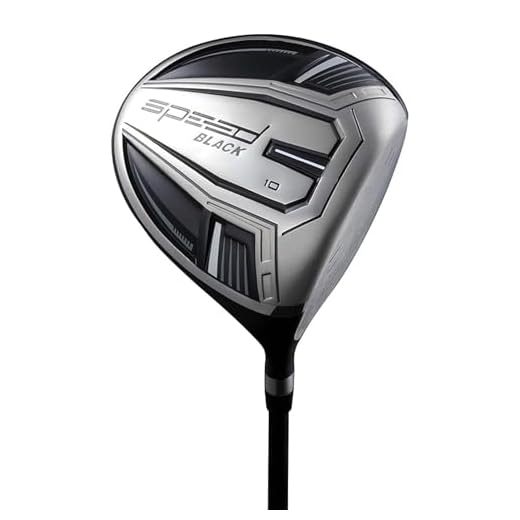

If you have a slower swing speed, leaning towards a higher angle, around 12°, can help achieve increased height and distance. Conversely, a lower angle, like 9.5°, suits players with faster swing speeds, as it promotes lower trajectory and less spin.
In addition, if you typically hit your shots with a fade, opting for a higher angle could help counteract that tendency and provide a straighter ball flight. Alternatively, if you struggle with a draw, a lower angle might assist in achieving the desired trajectory.
Testing various angles on a launch monitor can provide valuable insights tailored to my personal swing dynamics. Individual preferences and playing conditions also play a role in this decision. Therefore, adjusting the angle based on these factors can enhance performance significantly.
Ultimately, it’s about fine-tuning to match my own style. Making this choice carefully will contribute positively to my game and overall experience on the golf course.
Understanding the Role of Loft in Driver Performance
I recommend considering a driver with higher angles if you struggle with generating enough height on your shots. A loft of 10.5 degrees or more can assist in achieving optimal launch conditions while maximizing carry distance. For players with faster swing speeds, a low loft around 9 degrees may be more suitable, enabling a controlled trajectory and distance.
Impact on Launch Angle
The angle at which the ball launches significantly influences both distance and accuracy. A higher angle tends to produce more elevation, beneficial for achieving distance on longer holes. Conversely, lower angles can enhance roll after landing but may require a more precise strike to maintain accuracy. I’d suggest testing various settings at the range to find what best suits your swing characteristics.
Effect on Ball Spin
Higher angles generally generate increased backspin, which can be advantageous for those seeking a softer landing on greens. However, excessive spin can lead to loss of distance. If the spin becomes too low with a flatter angle, expect a more penetrating flight path but less control on greens. Fine-tuning loft can create the right balance for improved performance.
Ultimately, personal preferences, swing mechanics, and playing conditions should guide choices related to driver adjustment. Making informed decisions about the angle paired with your swing can lead to enhanced outcomes on the course.
How Your Swing Speed Affects Loft Selection
If my swing speed falls between 85 and 95 mph, I typically lean toward a higher angle, around 10.5 to 12 degrees. This helps maximize launch conditions and improves distance.
With a swing speed exceeding 95 mph, a lower angle of about 9 to 10.5 degrees may enhance ball flight and reduce spin, promoting greater carry and roll.
For speeds under 85 mph, I often opt for options above 12 degrees. This adjustment promotes a higher launch and helps in achieving more distance by reducing the risk of stalling in the air.
It’s essential to consider that as swing speed increases, the ball naturally tends to launch lower and with less spin. Adjusting the angle can counteract these tendencies and optimize my performance on the course.
Using launch monitors provides valuable insights. They help track the interaction between swing speed and angle, giving me an edge when selecting the right club. Experimenting with different settings during practice sessions can reveal the optimal match tailored to my unique swing profile.
Choosing Loft Based on Your Average Ball Flight
After analyzing my typical trajectories, I recommend selecting a specification that aligns with the desired ball path. If I notice a flattened shot with a predominant draw, opting for a higher specification can assist in creating a noticeable elevation and longer hang time. Conversely, if my ball flight tends to be high, adjusting to a lower measurement can help with lowering the trajectory and increasing distance.
Assessing Launch Angle
When my ball launches higher than expected, it indicates that I might benefit from a more suitable angle. If I find my average launch angle exceeding 14 degrees, considering a lower degree can enhance control over distance. An angle between 10 and 12 degrees is often optimal for achieving maximum yardage without sacrificing accuracy.
Ball Spin Considerations
Another critical aspect is spin rate. I often check how many revolutions my ball experiences per minute. If I notice excessive spin, utilizing a lower angle can help mitigate that backspin, allowing for a roll after landing. If my ball seems to land softly and stop quickly, raising the measurement can create a little more spin, which is perfect for controlling the landing on greens.
Matching Loft with Your Golf Handicap
For golfers with a handicap of 0-10, a setting around 9-10 degrees typically enhances distance while maintaining control. Players in this category usually have higher swing speeds, allowing them to benefit from lower angles to achieve optimal launch conditions without sacrificing accuracy.
Recommended Settings by Handicap
| Handicap Range | Suggested Angle (degrees) |
|---|---|
| 0-10 | 9-10 |
| 11-20 | 10-11 |
| 21-30 | 11-12 |
| 31 and above | 12-14 |
For those with a handicap between 11-20, I find that a 10-11 degree angle supports a balance of distance and trajectory. This range allows for forgiveness on off-center hits while still providing an adequate launch angle. Golfers with higher handicaps, from 21 to 30, should consider settings around 11-12 degrees, as this helps to achieve a higher ball flight, promoting increased carry distance.
Lastly, players with handicaps of 31 and above benefit the most from angles between 12-14 degrees. This higher setting assists in getting the ball airborne, which can compensate for slower swing speeds and improves overall performance on the course.
Comparing Different Callaway Driver Models and Their Loft Options
For optimal performance, consider the specific models available in the Callaway lineup, as each offers unique specifications regarding angle adjustments. Key models include the Callaway Rogue ST, Paradym, and Epic series, which present various degrees tailored to different playing styles.
Rogue ST Series
In the Rogue ST model, options typically range from 9° to 12°. This model is engineered for speed and distance, making it suitable for players looking to achieve a lower launch angle for optimal rollout. A 10.5° configuration can be a balanced choice for many mid-handicappers.
- 9° – Ideal for high swing speeds aiming for a penetrating ball flight.
- 10.5° – Recommended for most amateur players seeking both distance and control.
- 12° – Works best for those with slower tempos, enhancing trajectory for improved carry.
Epic Series
In the Epic family, shoppers will find configurations from 9° to 14°. This model is designed with advanced technology to enhance forgiveness and adjustability.
- 9° – Suitable for advanced players with higher swing speeds desiring maximum distance.
- 10.5° – Recommended for balanced performance with a higher launch, typically favored by a variety of golfers.
- 12° – Good for those looking to maximize carry distance, especially in soft conditions.
- 14° – Excellent for beginners or seniors, promoting an easier launch angle.
Assess these models based on your personal swing dynamics and desired shot shape. Trying each configuration will provide insights into which angle complements your technique and improves on-course performance.
Adjustable Loft Features: What You Need to Know
Opt for models with adjustable angles to fine-tune your launch. They allow for modifications on the course or during practice, enhancing customization based on shot tendencies.
Why Adjustable Options Matter
- Fine-tuning for different course conditions.
- Adapting to varying wind effects during play.
- Optimizing performance based on personal swing changes over time.
Common Adjustments and Their Effects
- Increased angle can elevate ball flight, aiding players with slower swing speeds.
- Decreasing angle typically results in lower trajectory, benefiting those with faster swings aiming for distance.
- Adjustments can help in correcting slices or hooks by influencing ball spin.
Explore different settings regularly to identify the ideal setup that complements your style and enhances distance and accuracy.


