
 Caleb Turner
To determine the angle of the clubface, first, check the specifications provided by the manufacturer. Most brands include this information in the product details, allowing for easy reference. Knowing the angle can greatly influence ball trajectory and distance.
Next, observe the markings on the club itself. Many clubs feature an etched or printed angle measurement near the hosel or on the sole. If these details are missing, a simple tool like a digital loft gauge can provide an accurate reading. This device is user-friendly and delivers quick results, making it invaluable for accuracy in practice and play.
Once you have the angle data, assess how it complements your swing style. A higher face angle will typically lead to a higher launch angle, which can be beneficial if you’re seeking more carry distance. Conversely, a lower angle may offer more control for precision shots. Adjusting the settings on adjustable models can also help fine-tune your performance depending on the course conditions.
Identifying Angles on Your Golf Club
Check the manufacturer’s specifications on the club head; they often display the angle in degrees. Many models have this information stamped on them, typically on the hosel. When uncertain, visit a local pro shop where experts can assist in measuring the angle accurately using specialized equipment.
Utilizing the Equipment
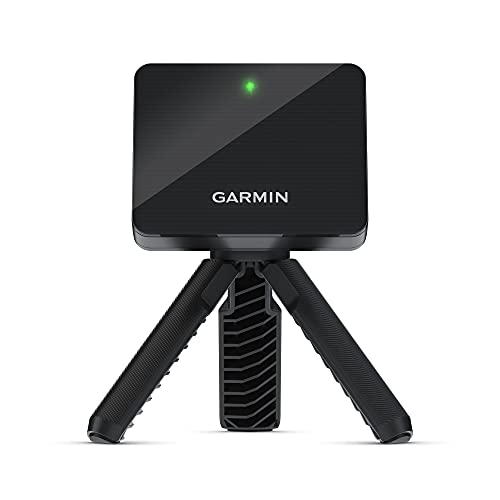
Employ a launch monitor during practice sessions to gather data on ball flight, club speed, and launch angle. This instrumentation offers insights into the optimal angle for your swings, enhancing your understanding of how it interacts with your striking technique.


Adjusting Your Technique
Experiment with your stance and tee height; even minor adjustments can impact trajectory. Keep detailed notes on how these changes affect your shots, allowing for personalized insights into your swing dynamics and performance.
Understanding Loft Angle Basics
The loft angle significantly impacts shot trajectory and distance. It refers to the angle of the clubface relative to the vertical plane. A higher angle provides greater elevation, while a lower angle offers a flatter trajectory. Selecting the correct angle based on your swing characteristics and desired ball flight is crucial.
Measurement Techniques
To determine the angle accurately, use a digital loft gauge or visit a fitting specialist. These tools measure the face angle precisely. Alternatively, you can utilize a ruler and a protractor; ensure the club is placed on a flat surface. Align the club’s sole with the surface for accurate measurement. The angle formed with the vertical indicates the loft.
Adjusting for Personal Preferences
Consider adjusting the loft based on the playing conditions and personal preference. Experimenting with various angles can help find the optimal fit for distance and accuracy. Emphasize that a gradual adjustment is often more effective than significant changes all at once. Assess performance by tracking the ball flight and understanding how angle adjustments translate to real results.
Measuring Angle with a Digital Finder
For precise measurements of the incline of a clubhead, I utilize a digital angle finder. This tool provides reliable and accurate readings, ensuring consistency in setup and assessments. First, I place the club on a flat surface, ensuring it’s stable. Next, I align the finder’s base against the sole of the club, confirming that it’s level.
As I activate the device, I wait for it to calibrate before placing it against the clubface. The display will indicate the angle, showcasing the club’s characteristics. It’s crucial to perform this measurement with the club in its natural position, avoiding any manipulation that could alter the results.
Regular checks with a digital angle finder help maintain equipment effectiveness, as factors like wear and tear can influence the angle over time. I recommend documenting these measurements to track any discrepancies or changes in performance.
Given the technology’s ease of use, I suggest adopting this method for both amateur enthusiasts and seasoned players aiming for precision. Investing in a reliable angle finder pays dividends in performance improvements.
Using a Launch Monitor for Accurate Readings
I recommend utilizing a launch monitor to achieve precise measurements of your club’s angle. These devices provide data on key metrics such as launch angle, spin rate, and ball speed, which can influence how your equipment performs. Integrating this technology into your practice is invaluable.
Setting Up the Monitor
Position the launch monitor approximately six to eight feet behind your hitting area. Ensure that it has a clear line of sight to both the club and the ball during your swing. Calibration may be required, so consult the manufacturer’s guidelines to optimize accuracy.
Interpreting Data
After a series of swings, analyze the data provided by the monitor. Focus primarily on launch angle and how it correlates with the club’s specifications. Adjustments to your swing mechanics or equipment may become evident based on this information. By systematically reviewing your recorded data, I am able to make informed decisions about my setup and adjustments.
The continuous feedback ensures that my practices are targeted and progressively improved over time. Utilizing a launch monitor becomes a strategic advantage for anyone looking to refine their equipment and technique.
Interpreting Manufacturer Specifications
To accurately assess the characteristics of a clubhead, focus on the specifications detailed by manufacturers. These documents often include information about the angle settings which significantly influence ball trajectory and distance. Take note of the degrees provided, as they can range from 8 to 12 degrees, with some brands offering adjustable settings for fine-tuning.
Understanding Shaft Options
The shaft length and material can also affect the performance of the equipment. A heavier shaft can provide different dynamics compared to a lighter model. Pay attention to the flex ratings, as these influence how the club behaves during a swing. Different flexes can lead to variations in how the clubface meets the ball.
Impact of Club Design
The construction of the clubface and its technology can alter launch angles significantly. Some drivers feature innovative designs aimed at maximizing forgiveness and distance. Research features like variable face thickness and weight distribution, as these can provide additional insights into how the specifications translate into real-world performance.
Identifying Visual Indicators of Loft
Examine the face angle closely. You can often see the degree of incline by noting the angle of the clubface relative to the ground when the club is placed in a neutral position. A more pronounced angle generally indicates a higher degree of elevation.
Check the markings on the club head. Many manufacturers include specific indicators or lines that suggest the angle of the face. These visual cues can provide potential insight into the elevation characteristics.
Assessing Head Shape
Observe the shape of the club head. A larger, more rounded profile may indicate a design aimed at boosting trajectory. Conversely, a flatter head could signify lower elevation characteristics. This visual clue can assist in identifying the intended usage of the club.
Grip and Shaft Angle Correlation
Pay attention to the grip alignment. The way the shaft lines up with the grip gives clues about the intended angle. A grip angled upwards typically corresponds to a higher face angle, which affects how the ball launches.
Adjustable Drivers: How to Assess Changes
When I adjust a club with an adaptable head, my primary focus is on understanding how the changes impact my shots. Here’s a detailed approach to assessing these modifications:
Verification of Settings
- Begin by examining the adjustment markings on the club head. Ensure they correspond with the intended angle.
- Use a reliable tool to confirm that the face angle aligns with your specifications.
Impact on Ball Flight
- Observe the trajectory of your shots. An increase in the angle typically results in a higher flight.
- A decrease usually leads to a flatter trajectory, affecting distance and accuracy.
Making notes on the performance outcomes after each adjustment can help fine-tune my future choices. Regular practice sessions allow me to gauge consistency over time with varied angles.
Comparing Different Settings
- Switch between different settings during a practice session to identify which produces the most favorable results.
- Consider factors like spin rate and ball speed to see if changes align with my desired outcomes.
Ultimately, documenting experiences and outcomes provides clarity in understanding how each alteration works best for my playing style.
Impact of Loft on Ball Flight Patterns
Choosing the right angle of face inclination directly influences how the ball travels through the air. A higher angle can lead to a more pronounced elevation in trajectory, whereas a lower angle generally results in a flatter flight path. When I adjust the settings on my equipment, I observe distinct changes in the initial launch angle and overall distance.
Trajectory and Distance Relationship
Generally, with increased face angle, I notice a rise in both launch height and backspin. This combination tends to help the ball stay airborne longer, which can be beneficial for achieving maximum distance under certain conditions. Conversely, a reduced angle often reduces trajectory while increasing roll-out upon landing. Understanding this relationship helps me tailor my approach based on course conditions and play style.
Wind and Environmental Effects
Windy conditions can alter the effectiveness of face angle adjustments. On breezy days, I’ve experienced that a lower angle can cut through the air more effectively, aiding direction control and distance. Conversely, a higher angle may assist with carrying over obstacles but can also increase sensitivity to crosswinds. Recognizing how environmental factors interact with face angle helps me make better decisions during my rounds.
| Angle Adjustment | Effect on Trajectory | Effect on Spin |
|---|---|---|
| Higher Angle | Higher Launch | Increased Backspin |
| Lower Angle | Flatter Flight | Reduced Backspin |
Ultimately, understanding how these aspects interplay allows me to fine-tune my stroke for optimal performance under varying conditions. Each alteration to the face angle impacts my strategy and execution on the course.
Comparing Different Driver Models for Loft
Choosing the right model involves examining the specifications provided by manufacturers. This data usually includes the angle of the face, often denoted in degrees, which directly influences trajectory and distance. Look for models that clearly state their face angle; those labeled with adjustable features can provide versatility, allowing for personalized modifications based on swing mechanics.
Consider varying brands–each tends to implement distinct technologies that affect performance. While one company might offer a reinforced face for increased speed, another may focus on weight distribution to enhance stability. It’s advantageous to analyze how different geometries affect angles and overall performance.
Reviewing User Feedback and Independent Tests
Perusing reviews can deliver insights into real-world applications. Many users share their experiences regarding launch angles and shot dispersion, which can be invaluable when assessing performance. In addition, independent testing labs often provide data on different models’ effectiveness; this information can help refine choices based on specific playing styles.
Testing in Real-World Conditions
Before committing to a purchase, testing various models on the course or at a range is vital. Trying out several options will enable comparison of how each interacts with swing dynamics. Pay attention to the feel and feedback during strikes, as this can indicate how well the club meets personal performance goals.
By synthesizing manufacturer data, user experiences, and practical trials, I can make an informed decision regarding which model aligns best with my needs. The balance between angle, design, and feel will ultimately guide my selection process.
Practical Tips for Finding Your Ideal Loft
Begin by assessing your swing type. Analyze your ball flight patterns during practice sessions. If your shots consistently rise excessively, you might benefit from a club with a reduced angle. Conversely, if your drives tend to fall too quickly, an increased angle could improve your performance.
Experiment with Different Angles
Testing various models is key. Here’s how to conduct effective trials:
- Select several clubs with distinct angles.
- Use a controlled environment, like a driving range, to minimize external variables.
- Pay close attention to how height and distance vary with each club.
Seek Professional Advice
Consulting a golf professional can provide insights based on your unique swing mechanics. They can suggest suitable models and adjustments tailored to your style. Also, consider scheduling a fitting session to evaluate your preferences with a professional’s help.
Another useful approach is to utilize reviews and community feedback. Engaging with fellow golfers on forums or social media can reveal personal experiences and insights regarding specific clubs and their features. Be open to recommendations, but ensure they align with your swing characteristics.
Keeping a detailed log of your sessions can also enhance your understanding. Note the conditions, clubs used, and outcomes for each practice. Over time, patterns will emerge, helping you identify what specifications result in the best performance.


