
 Caleb Turner
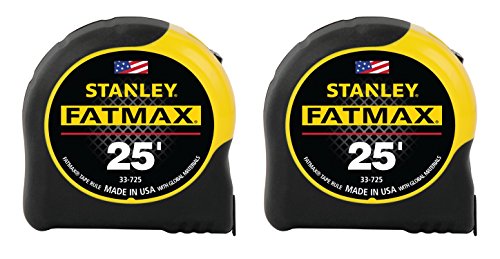
Begin with a reliable tape measure. Position one end at the lowest point, usually the floor, and extend it vertically to the highest point of the piece. This will give you the precise vertical size needed for planning your space or fitting items around it.
Next, consider using a level to ensure your measurement accounts for any uneven surfaces. If your item rests on carpet or a sloped floor, this simple tool will provide accuracy. Place the level on top of the furniture; adjust as necessary before re-measuring.


For deeper items, such as sofas or stately cabinets, I recommend taking measurements in multiple spots, especially if it has irregular shapes. Finding the average height could save potential headaches during placement or installation.
Lastly, jot down each measurement as you go. Using a dedicated notebook or an app on your smartphone ensures you won’t lose track of those critical numbers when making decisions later on.
Measuring the Thickness of Items
Use a tape measure or a ruler to record the distance from the front to the back of the piece. Place the tool flush against the surface and extend it straight across to the farthest edge. Be precise at the endpoints for an accurate reading, ensuring no curves or bulges skew the result.
Considerations for Irregular Shapes
For irregularly shaped items, zero in on the widest part. If the object features protrusions or curves, gauge from the most prominent point to provide a clear representation of its volume. Always identify the common usage area, as this often reflects the practical dimensions you’ll need.
Documenting Measurements
Record your findings immediately after taking them to prevent confusion later. Use a notebook or a digital device to capture each measurement clearly, including the orientation and any particularities of the form. This way, you’ll have reliable information for comparisons and references during future placements or acquisitions.
Understanding Furniture Depth Measurement Units
Stick to standard units like inches or centimeters when recording the size of your items. For furniture, inches are commonly used in the U.S., while centimeters are preferred in many other regions. If starting with inches, a tape measure marked in both inches and centimeters can offer versatility.
When dealing with items that feature a complex shape, I often use a flexible measuring tape. This allows me to capture varying contours accurately while ensuring precision in my results. For less intricate pieces, a rigid straight edge is sufficient for a consistent reading.
During measurements, I see the value in noting the manufacturer’s specifications. Many furniture suppliers provide exact dimensions, allowing for an easier comparison with my measurements. Always consider checking these numbers to confirm accuracy.
Converting measurements between units is straightforward. I employ a simple conversion factor: 1 inch equals 2.54 centimeters. Being able to translate these figures means I can effectively communicate dimensions regardless of geographical location.
I’d recommend writing down figures as you go, including additional details like the piece’s intended use. This not only facilitates organization but also makes it easier to refer back when needed.
Tools Required for Accurate Depth Measurement
For precise assessment, a few tools are indispensable:
- Tape Measure: A flexible measuring tape, ideally at least 25 feet, ensures accuracy and ease of use, especially in tight spots.
- Calipers: Useful for narrowing down on minute differences, calipers provide readings more precise than a tape measure.
- Ruler or Straight Edge: For fixed pieces, a straight edge or ruler can help mark exact points for measurement, particularly on flat surfaces.
- Level: A level tool can confirm that the object is properly positioned; this ensures the measurements are taken from the correct angles.
- Digital Measuring Device: For those who prefer technology, a digital measuring device can provide instant readings and can be especially handy for hard-to-reach areas.
Before getting started, ensure the area around the item is clear. This helps avoid distractions and obstructions during the process. Take multiple readings from different angles to confirm consistency. If applicable, remove any accessories or loose parts that may interfere with an accurate reading.
Always consider the scale and proportions of the piece to ascertain correct configurations, which aids in visualizing placement within your space. Utilizing these tools correctly will lead to more informed decisions for optimal arrangements.
Step-by-Step Guide to Measuring Depth
First, position the piece against a flat wall or surface to ensure stability. Use a tape measure for precision. Begin at the front edge of the item, extending the tape directly to the back edge while keeping the tape straight.
Check that the tape remains level and does not sag or bend. This can lead to inaccurate readings. Record the measurement at the point where the tape meets the back edge. It’s helpful to have a second person hold the tape measure if the item is large or cumbersome.
If the item has shelves or compartments, measure each section individually to ensure you capture the maximum extent. Be sure to note any distinctions in design that might affect the overall dimensions.
Create a clear chart to correlate your findings. For example:
| Item Description | Measurement (inches) |
|---|---|
| Living Room Sofa | 35 |
| Dining Table | 30 |
| Bookshelf | 12 |
Double-check each reading for consistency. If discrepancies arise, repeat the measurement process to verify. This helps prevent errors that could impact the arrangement of your space.
Lastly, compile the data for future reference. A record of these dimensions will be useful when planning room layouts or considering additional pieces.
Common Mistakes to Avoid in Depth Measurement
Neglecting a flat surface can lead to inaccurate results. Always ensure that the item is placed on a level ground before starting.
- Using the wrong side of a measuring tape can cause discrepancies. Verify that the starting point is precise.
- Overlooking any protrusions or features on the item can alter the actual dimensions. Consider all elements that may affect the size.
- Relying solely on one measurement can lead to misleading conclusions. Always countercheck by taking multiple readings from different angles.
Incorrect Tool Usage
Misusing instruments can produce errors. Double-check that the tool is properly calibrated and suited for the task.
- Using a flexible tape might not provide the same accuracy as a rigid ruler for reading dimensions.
- For non-rectangular items, failing to adjust the methodology can result in incorrect assessments. Employ appropriate measuring techniques for unique shapes.
Assuming Dimensions are Static
Furniture can shift during handling, leading to inconsistent readings. Always assess the dimensions in its intended position prior to finalizing any plans.
- Inspect for any furniture that might be compressed due to weight or pressure, impacting the measurements.
- Not accounting for the that current space setup can affect the understanding of size relative to the area.
Adjusting for Furniture Legs and Casters
To achieve accurate readings, I account for the height and style of legs or casters. For pieces with legs, I often measure from the base of the furniture to the floor, ensuring I include any leg thickness. In cases where casters are present, it’s vital to measure from the bottom of the piece to the ground, taking into consideration the diameter of the wheels. This ensures that the total height from the ground up is accurately represented.
Leg Variations
When dealing with different leg styles, I observe their design, as some may taper or flair out at the bottom. For tapered legs, it’s prudent to determine their thickest section to ensure I’m not underestimating the overall footprint. Additionally, for wide legs, I make sure the measurement reflects the outermost points to account for space utilization in the room.
Casters and Mobility
For mobile pieces, I distinguish between the type of caster used. If a piece has a low-profile caster, it’s essential to ensure this doesn’t add unnecessary height that skews my assessment. For larger wheels, I incorporate the full diameter into my calculations. This way, I maintain an accurate representation of the space needed, especially in tight corners or narrow pathways.
Using Depth Measurements for Space Planning
Accurate assessments shape optimal layouts. I prioritize measurements when arranging living spaces to ensure comfort and functionality. Identifying adequate space around each piece is key. Use the actual width of the item, then allocate at least 18 inches for pathways. This distance promotes effortless movement and accessibility.
Creating Zones
Establishing distinct areas within a room enhances usability. I often visualize different functions–like lounging, dining, and workspaces. For instance, I avoid placing large sofas too close to tables. Such arrangements can disrupt flow. I also account for focal points, ensuring that substantial items do not obstruct views or natural light.
Visualizing Room Layout
Utilizing scaled drawings or digital layout tools aids in visualization. I sketch out the room with precise dimensions, placing scaled representations of each piece. This method assists in identifying harmonious arrangements while avoiding clutter. Seeking feedback from others can uncover additional insights, leading to better spatial solutions.
Finally, I consistently reassess the layout after initial setup. Living habits may shift, and what once felt balanced could require adjustment. Adapting to these needs ensures that the space remains inviting and practical.
Tips for Measuring Built-In or Custom Furniture
Always consider the functions and layout of the space before taking any dimensions. For built-ins, clear any obstructions that may hide areas needing measurements. Use a flexible measuring tape to get to hard-to-reach corners and curves.
Account for Structural Elements
Identify wall protrusions, electrical outlets, or moldings that might affect the fitting. Measure from the nearest fixed point to ensure the piece integrates seamlessly with existing structures. It’s wise to take multiple readings at different spots to account for inconsistencies in the walls.
Document Each Measurement
Keep a detailed log of all dimensions, indicating which ones correspond to width, height, and length. Labeling each measurement will simplify the design process and consultations with carpenters or designers. Consider digital solutions like apps for quick inputs and calculations.


