
 Caleb Turner
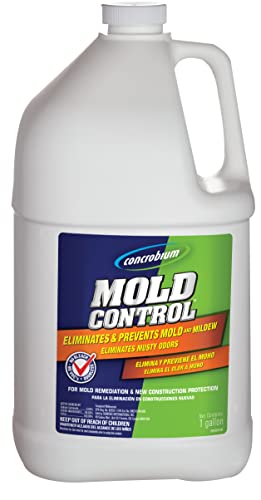
I recommend utilizing a mixture of water and white vinegar for addressing the bacteria lingering on surfaces. This solution acts as a natural disinfectant and effectively neutralizes stubborn residues. Fill a spray bottle with equal parts of water and vinegar, then generously apply it to the affected areas.
After spraying the solution, take a soft cloth or sponge to gently wipe the area. It’s crucial to avoid abrasive materials that can scratch or damage the surface. For stubborn patches, allow the mixture to sit for about 10-15 minutes before wiping.
Utilizing baking soda is another powerful method to combat unwanted growth. Sprinkle a thin layer over the previously treated areas and let it sit for several hours or overnight to absorb any remaining dampness and odors. Following this, simply vacuum or brush off the residue.


Regularly checking and maintaining proper airflow in your living space can significantly minimize the chance of recurrence. Ensure windows are open when possible, and consider a dehumidifier in areas prone to excess moisture.
Identifying mold types on furniture
I often encounter various fungal growths on household items, each requiring a specific approach for resolution. Recognizing these types is crucial for effective remediation.
Surface mold
This type usually presents as a slimy or powdery coating. It’s often green, black, or white. Common in damp environments, it thrives on wood, upholstery, and other porous surfaces. Quick elimination is necessary to prevent deeper penetration into materials.
Structural fungi
Characterized by more severe infestations, these can weaken the structural integrity of affected items. Types include brown rot and white rot, which differ in appearance and impact on cellulose. Brown rot appears as a dark, crumbly texture, while white rot presents a more fibrous look. Both indicate serious moisture issues and need urgent attention.
Gathering Necessary Cleaning Supplies
For tackling the issue, I gather the following items to ensure thorough remediation:
Protective Gear
I wear gloves, preferably rubber or latex, to safeguard my hands. A mask is also crucial, ideally an N95 respirator, to filter out airborne particles. Goggles provide eye protection against any potential splashes from cleaning solutions.
Cleaning Solutions
I prefer a mix of vinegar and water for a natural approach, but also consider commercial antifungal sprays specifically designed for surfaces. Baking soda serves as a gentle abrasive and deodorizer, while hydrogen peroxide is effective against various types of unwanted growth. Additionally, I keep a bucket for dilution and application of solutions.
Soft brushes or cloths made of microfiber help me scrub surfaces without causing damage, and I always have disposable paper towels for quick removal of remnants and moisture. A vacuum with a HEPA filter proves beneficial for collecting tiny particles during the process.
Preparing the Furniture for Cleaning
Before tackling the issue, I ensure that my workspace is safe and organized. I remove any items resting on the surface of the pieces, clearing the area for an unobstructed approach. This includes decorative objects, books, and any other belongings that might interfere with the process.
Assessing Surface Materials
I inspect the surfaces carefully to identify the types of materials present. Different fabrics and finishes require tailored handling. For instance, wooden surfaces may need specific products to avoid damage, while upholstered options might require gentle methods to maintain integrity.
Ventilation and Personal Safety
I prioritize good airflow in the cleaning area. Opening windows and utilizing fans helps disperse any particles that might be disturbed. I wear protective gear such as gloves and a mask to safeguard against inhalation of potentially harmful particles during the process.
Applying Cleaning Solutions to Remove Mold
I recommend using a mixture of water and vinegar or a store-bought cleaner specifically designed for fungus removal. Vinegar is a natural disinfectant and can effectively kill around 82% of all types of fungi, making it an excellent choice for treatment.
Preparation of the Solution
- Mix equal parts of white vinegar and water in a spray bottle.
- If using a commercial product, follow the manufacturer’s instructions for dilution and application.
Application Steps
- Spray the solution generously onto the affected areas.
- Allow it to sit for at least 10-15 minutes to penetrate and neutralize the unwanted growth.
- Wipe the surface with a clean cloth or sponge, ensuring that any residue is removed.
- For stubborn stains, repeat the application as necessary.
After treatment, I recommend drying the area thoroughly to prevent future occurrences. Use fans or open windows to improve airflow.
Techniques for scrubbing and wiping mold away
To effectively eliminate unwanted growth, I recommend using a combination of physical scrubbing and wiping techniques. These actions will help minimize the presence of detrimental organisms on surfaces.
Scrubbing Techniques
- Choose the Right Brush: A stiff-bristle brush works well for textured surfaces, while a soft-bristle brush is suitable for delicate finishes.
- Apply Even Pressure: Use consistent pressure while scrubbing to ensure every area gets attention, avoiding excessive force that might damage the material.
- Use Circular Motions: Scrubbing in a circular motion allows for more effective dislodging of unwanted residues.
Wiping Techniques
- Select Appropriate Cloths: Microfiber cloths are ideal as they trap particles without scratching the surface.
- Utilize Cleaning Solutions: Dampen the cloth with a suitable cleaning solution before wiping to enhance absorption and effectiveness.
- Fold Cloths: Use the cloth in sections, periodically folding it to expose clean surfaces for continued wiping.
By combining these scrubbing and wiping methods, I ensure comprehensive removal of unwanted fungi on various materials, maintaining their integrity and appearance. Additionally, always wear protective gear such as gloves and masks to safeguard against potential irritants during the process.
Drying and Preventing Future Growth
After thorough treatment, ensuring surfaces are completely dried is crucial. Use fans and open windows to improve airflow, which accelerates moisture evaporation. If feasible, place items outside for natural sunlight, allowing UV rays to assist in the drying process.
For porous materials, it is beneficial to use a dehumidifier in enclosed spaces, effectively lowering humidity levels. Monitor the environment with a hygrometer; maintaining humidity below 50% is ideal to deter unwanted regrowth.
Regular inspections play a key role in early detection. Establish a routine check, especially in areas with high moisture levels like basements or near windows. Keep an eye out for discoloration or unusual odors, which can signal an emerging problem.
Consider applying a protective spray designed for inhibiting unwanted fungal development. Follow the manufacturer’s guidelines to ensure proper application, focusing on vulnerable areas of the items.
Maintaining cleanliness is essential. Dust and vacuum frequently, as accumulated dust can attract moisture. In spaces prone to dampness, strategically place desiccants to absorb excess humidity. This proactive approach can significantly reduce the chance of reoccurrence.
| Action | Description |
|---|---|
| Increase Airflow | Utilize fans and open windows to expedite drying. |
| Use Dehumidifiers | Lower humidity levels below 50% to prevent moisture buildup. |
| Regular Inspections | Check for signs of discoloration or odors in susceptible areas. |
| Protective Sprays | Apply coatings that deter future fungal development. |
| Frequent Cleaning | Dust and vacuum to reduce moisture-attracting debris. |
| Use Desiccants | Place moisture-absorbing materials in damp areas. |
Disposing of Contaminated Materials Safely
I ensure that all materials affected by hazardous growth are removed properly to prevent any health risks. I pack contaminated items in heavy-duty plastic bags, sealing them tightly to contain any residual particles. This step minimizes exposure during transport.
After sealing, I label the bags clearly, marking them as contaminated, which alerts anyone handling them about the potential danger. When I’m ready to dispose of these items, I check local regulations regarding hazardous waste disposal to ensure compliance.
Safe Disposal Practices
I take the sealed bags to designated disposal sites, such as waste management facilities that handle contaminated items. If such services are unavailable nearby, I consider contacting local authorities for guidance on safe disposal options.
In my approach, I never leave the sealed bags in open trash bins or areas where they could be breached, as this increases the risk of spreading harmful organisms. After disposing of the materials, I wash my hands thoroughly and clean any tools that were used during the removal process to maintain safety.
Preventing Recurrence
I also assess the environment where the compromised items were located. Identifying and addressing any moisture sources is crucial to deter future occurrences. Using dehumidifiers and ensuring proper ventilation are part of my strategy to maintain a safer atmosphere moving forward.


