
 Caleb Turner
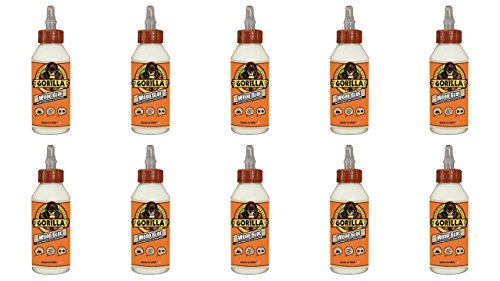
Utilizing wood glue is often the most straightforward approach for addressing minor imperfections in your living space. Start by ensuring that the edges of the damaged section are clean and free from dust. Apply a generous amount of the adhesive to both sides of the fissure, aligning them as closely as possible. Once secured, clamp the pieces together to maintain even pressure while the glue sets. Allow it to cure fully, typically for at least 24 hours, before handling.
If the surface has incurred a deeper crack, consider using a wood filler that matches your item’s color. After preparing the filler according to the manufacturer’s directions, carefully apply it into the damaged area with a putty knife, smoothing it out for an even finish. After it dries, sand lightly to achieve a seamless texture that integrates with the surrounding surface.
For a clean, polished look after repairs, a touch-up marker or colored wax can help blend any visible repairs. Test it on a small, inconspicuous area to check compatibility before applying it to the repaired section. This helps to restore the item’s aesthetic appeal, making the flaw nearly invisible.
Repairing Your Damaged Items
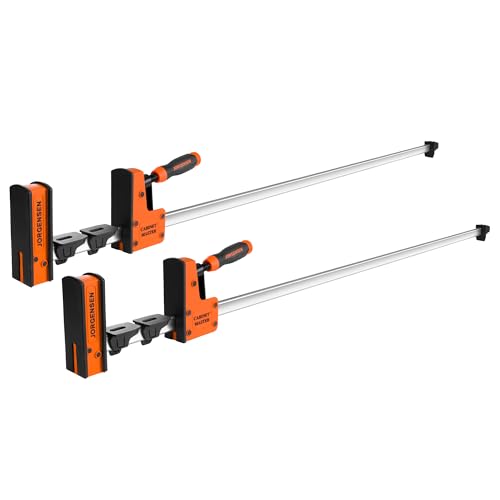
For minor splits, I recommend using wood glue. Apply a thin layer into the crack, press the edges together, and secure them with clamps for a few hours until the glue sets. Clean off any excess glue with a damp cloth before it dries.
Materials Needed
- Wood glue
- Clamps
- Sandpaper (fine grit)
- Wood filler (if needed)
- Varnish or paint (to match the original finish)
Steps to Restore Structural Integrity
- Inspect the damaged area and remove any loose debris.
- Apply wood glue generously in the split, ensuring it penetrates deeply.
- Align the pieces and clamp them tightly to hold in place.
- Let the adhesive cure based on the manufacturer’s instructions.
- Once dry, sand the repair area smoothly to blend with the surrounding surface.
- If necessary, fill any remaining gaps with wood filler, let it dry, and sand again.
- Finish by applying varnish or paint to match the original appearance.
For deeper fissures, consider reinforcing with dowels or screws after the glue has dried. Drill small pilot holes and insert screws carefully to avoid splitting the wood further.


Identifying the Type of Crack in IKEA Furniture
To address any damage, first examine the nature of the imperfection. Look for visible gaps in the material; this often indicates structural weakness. Run your fingers along the edges to feel for any uneven surfaces or splinters that may signify deeper issues.
Next, classify the crack based on its length. A hairline fracture typically suggests minor damage, easily manageable with adhesive solutions. On the other hand, deep and jagged breaks may require more extensive intervention.
Take note of the angle of the crack. Vertical breaks can point to issues caused by weight distribution, while horizontal ones may arise from lateral stress. Understanding the orientation helps in determining the best course of action.
If the damage is accompanied by a chipped surface, it could indicate damage to the finish as well. In such cases, touching up the paint or varnish may also be necessary, alongside any structural repairs.
Finally, assess the furniture’s material. Wood pieces demand different approaches compared to laminated surfaces. Identifying the composition will guide your selection of repair methods and materials.
Choosing the Right Repair Materials for Wooden Cracks
For repairing fissures in wood, I prioritize wood glue and fillers specifically designed for furniture. Water-resistant wood glue works wonders for structural integrity. I often opt for PVA (polyvinyl acetate) glue, which offers a strong bond and is easy to clean up before it sets.
Utilizing a wood filler is my next step, especially when the divide is wider. I prefer those that can be sanded and stained, allowing for a seamless finish. If the crack is noticeable, I choose a filler that closely matches the wood tone; sample sticks often help to compare shades accurately.
If the repair requires a more durable solution, epoxy resin becomes invaluable. Its strength ensures longevity, but I must be careful with application, as it can harden quickly. Mixing color pigments can help achieve the desired hue, improving aesthetics post-repair.
In some situations, I combine sawdust with wood glue to create a custom filler. This not only matches the wood grain but also adds to the structural strength when applied effectively.
To enhance the final touch, I consider applying finishes that correspond to the existing sheen. Selecting the right lacquer or polish makes a significant difference in blending the repaired areas into the original surface.
Finally, I always ensure that any materials used are non-toxic, especially for pieces frequently used in living spaces. This guarantees safety alongside functionality, making my repairs last longer and look professional.
Step-by-Step Guide to Repairing Cracked Particleboard
Begin with cleaning the area around the fracture, ensuring no dust or debris is present. This enables optimal adhesion of repair materials.
Gather Materials
Essential supplies include:
| Item | Purpose |
|---|---|
| PVA glue or wood filler | Fills gaps and bonds surfaces |
| Putty knife | Applies filler evenly |
| Clamps | Secures pieces during drying |
| Sandpaper | Smoothens repaired area |
| Touch-up paint or varnish | Restores appearance |
Step-by-Step Repair Process
Follow these steps for an effective restoration:
- Apply a thin layer of PVA glue or wood filler into the crack.
- Use the putty knife to smooth the filler, ensuring it fills the entire fracture.
- Clamp the joined sections to maintain pressure while the adhesive sets, typically for 30 minutes to an hour.
- Once the glue is dry, sand the area lightly with sandpaper until smooth to match surrounding surfaces.
- Finally, touch up with paint or varnish to blend the repair with the original finish.
After completing these steps, verify the strength and stability of the repaired area before putting stress on it again.
Applying Wood Glue: Techniques for a Seamless Finish
For a uniform appearance after a repair, begin with a high-quality wood adhesive formulated for your material. This type of glue provides a strong bond while remaining flexible to adapt to wood’s natural movement.
Preparation and Application
Clean the damaged area thoroughly to remove dust and debris. If the crack is large, use a utility knife to ensure a snug fit by removing any loose or splintered sections. Apply the adhesive directly into the gap using a precision applicator or a small brush. Ensure the glue penetrates deep into the crack for optimal hold.
Smoothing and Curing
After applying, clean any excess adhesive from the surface with a damp cloth immediately to maintain a neat finish. Clamp the edges together, applying steady pressure to hold them in place while the glue sets. This may take a few hours; follow the manufacturer’s instructions for full curing time. Once dried, lightly sand the repaired area with fine-grit sandpaper to blend it seamlessly with the surrounding finish.
For added durability, consider applying a matching wood stain or sealant to enhance the appearance further and protect against future damage.
Using Fillers and Putty for Surface Restoration
For minor surface imperfections, a high-quality wood filler or putty works wonders. I prefer epoxy-based fillers because they bond well with various materials and can be sanded smoothly once cured.
Before applying, ensure the area is clean, free from dust, and dry. I typically use a putty knife to press the filler into the crack, making sure it fills the entire void. This technique ensures a flat finish once it’s sanded down.
Allow the filler to cure completely as per the manufacturer’s instructions. A quick check is to touch the surface gently; it shouldn’t feel sticky. Once cured, I start sanding with fine-grit sandpaper. This smoothens out the surface, making it blend seamlessly with the surrounding area.
For coloration, adding a matching stain or paint can enhance the aesthetic appeal. I apply it lightly, checking against the original surface for a consistent look. If necessary, a second coat delivers a more defined finish.
Regular inspections and prompt repair keep the integrity of the material intact, extending its lifespan. This approach not only restores functionality but also preserves the visual charm of the piece.
Repainting and Staining to Match IKEA Finishes
To achieve a seamless appearance after restoration, I often use specific paint and stain products that closely mimic the original finishes of my pieces. Here’s how I go about it:
- Identify the Original Finish: First, I examine the surface. Knowing whether it’s matte, gloss, or a specific color shade helps in selecting the correct materials.
- Choose the Right Paint or Stain: I opt for high-quality acrylic or latex paints that are compatible with the surface type. For wood finishes, I prefer oil-based stains that enhance the grain.
- Test Samples: Applying a small amount of paint or stain on an inconspicuous area ensures it matches well. I always allow it to dry before making a final decision.
- Preparation: Before applying, I clean the surface thoroughly. Sanding lightly and using a primer suited for wood or laminate surfaces can significantly enhance adherence and final appearance.
- Application Techniques: When painting, I use a high-quality brush or roller for a smooth finish. For staining, I apply with a cloth or foam applicator, wiping off excess to prevent blotchiness.
- Finishing Touches: After the paint or stain dries, I consider applying a clear sealant or topcoat. This not only protects the new finish but can also help match the sheen of the original texture.
Regular maintenance and touch-ups using the same paint or stain can keep the restored piece looking like new over time.
Preventing Future Cracks in IKEA Furniture
Maintain humidity levels indoors between 30-50% to reduce the risk of wood expansion and contraction. Using a humidifier in winter months can help keep moisture stable.
Regularly check for loose screws and joints; tightening them can enhance structural integrity and prevent stress on the material.
Place coasters or soft mats under heavy items to distribute weight evenly. This practice prevents localized pressure points that could lead to fractures.
Limit exposure to direct sunlight, as UV rays can cause materials to dry and become brittle. Utilize curtains or window films to block harsh light.
Proper Cleaning Techniques
Use a damp cloth for cleaning instead of harsh chemicals or excessive water, which can compromise the finish and weaken the structure over time.
Routine Inspections
Conduct periodic checks for signs of wear or potential damage, such as small dents or loose panels. Addressing these issues early can prolong lifespan.


