
 Caleb Turner

The application of a high-quality penetrating oil is my first recommendation for enhancing the longevity and appearance of your wooden creations destined for external use. This option not only enriches the natural beauty of the wood but also provides essential protection against moisture and UV rays.
To achieve optimal results, I apply the oil using a clean cloth or brush, ensuring an even distribution. I often allow the oil to soak in for about 15 to 30 minutes before wiping off any excess. Regular maintenance, typically every six months to a year, ensures that the wood remains nourished and resistant to weather elements.
For those seeking a more durable outer layer, consider utilizing a marine-grade spar varnish. This type of finish forms a robust shield that withstands harsh conditions exceptionally well. I recommend applying multiple thin coats for the best result, allowing ample drying time between layers.
Finally, don’t overlook the significance of sanding. I always sand the surface with fine-grit paper before application, as it ensures a smoother finish and better adhesion of the protective layer. Taking these steps guarantees that wooden elements not only endure the test of time but also maintain their aesthetic appeal.

Applying a Protective Coating
For best results, I recommend selecting a high-quality exterior-grade sealant specifically designed for wooden surfaces. Look for products containing UV protection, which helps prevent fading over time. Apply at least two coats for full coverage, allowing each layer to dry thoroughly before adding the next.

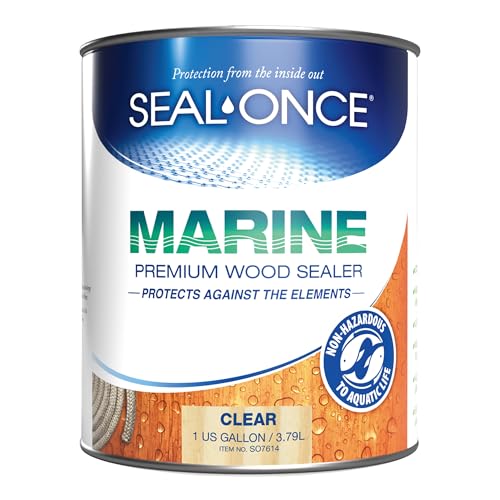
Step-by-Step Application Process
- Prepare the surface by sanding it lightly with fine-grit sandpaper to remove any imperfections.
- Clean the dust with a damp cloth and let it dry completely.
- Stir the sealant well before use and pour it into a clean container for easy application.
- Use a brush or roller to apply an even coat, following the wood grain.
- After the first coat dries, lightly sand the surface again to promote adhesion for the second layer.
- Apply the second coat and let it cure for the recommended time specified by the manufacturer.
Maintenance Tips
- Inspect annually for signs of wear or damage and reapply the sealant as needed.
- Keep the items clean by washing with mild soap and water to remove dirt and debris.
- Avoid prolonged exposure to standing water to reduce the risk of decay.
Choosing the Right Finish for Outdoor Pine
I recommend using a penetrating oil like teak oil or cedar oil for a natural look that enhances the grain. These oils provide excellent moisture resistance and require minimal maintenance.
For those desiring a protective barrier, consider a high-quality polyurethane or acrylic sealant. A water-based version is preferable for ease of application and cleanup.
Another option is a stain, which adds color while still allowing the wood’s texture to show through. Choose a semi-transparent stain for a balance between protection and aesthetics.
Consult the table below for characteristics of each finish type:
| Finish Type | Transparency | Protection Level | Maintenance Frequency |
|---|---|---|---|
| PENETRATING OIL | Clear | Moderate | Every 1-2 years |
| POLYURETHANE | Clear/Full | High | Every 3-5 years |
| SEMI-TRANSPARENT STAIN | Colored | Moderate-High | Every 2-3 years |
Evaluate the environmental conditions your items will face to determine the best approach. Regularly inspect surfaces for signs of wear and address any issues promptly to extend lifespan.
Preparing Pine Furniture for Finishing
Begin the preparation by ensuring the wood surface is clean and free from dust. Use a vacuum or a damp cloth to wipe down every inch, especially in crevices where debris accumulates.
Sanding Technique
Employ a coarse-grit sandpaper (around 80 to 120 grit) for initial sanding. This step removes any rough patches and helps open up the grain for the next stages. Follow up with a medium-grit sandpaper (220 grit) to create a smoother finish. Sand along the wood grain to avoid scratches.
Sealing the Surface
After sanding, vacuum again to eliminate all dust particles. Applying a wood conditioner is crucial to prevent uneven absorption of the coating. I typically use a brush or cloth to apply it generously, allowing the conditioner to penetrate for about 15 to 30 minutes before wiping off any excess.
Finally, ensure everything is dry before moving on to the application stage. This careful approach leads to a more uniform and aesthetically pleasing result.
Best Techniques for Sanding Wood
Opt for a gradual approach to achieve a smooth surface. Begin with coarse grit (60-80) to remove rough areas and imperfections. Progressively move to medium grit (120-150) for further refinement, finishing with fine grit (220-320) for that silky texture.
Tools Needed
- Orbital sander for larger surfaces
- Sanding blocks for corners and tight spots
- Sandpaper in varied grits
- Vacuum or tack cloth for dust removal
Technique Tips
- Always sand in the direction of the grain to prevent scratches.
- Keep the sander moving to avoid creating uneven spots.
- Sand edges and detailed areas by hand using a sanding block for better control.
- Inspect the surface frequently to ensure uniformity.
After sanding, ensure thorough dust removal with a vacuum or damp cloth. This step is key for optimal adhesion of subsequent treatments.
Applying Wood Sealer for Outdoor Protection
For optimal safeguarding against moisture and UV damage, I recommend applying a high-quality wood sealer. Begin by choosing a product specifically formulated for exterior use, ensuring it contains UV blockers and mold inhibitors.
Follow these steps for application:
- Prep the Surface: Ensure the wood is clean and dry. Remove any previous finishes or dirt with a suitable cleaner, allowing it to dry completely.
- Choose the Right Tool: Use a brush for detailed areas and a roller for larger surfaces. A sprayer can also be effective for reaching crevices.
- Test First: Always test the sealer on a small, inconspicuous area to check for compatibility and desired results.
- Apply Evenly: Start at one end and work towards the other, applying a thin, even coat. Make sure to follow the wood grain.
- Allow to Soak: Give the sealer a few minutes to soak into the wood before wiping off excess with a clean cloth.
- Drying Time: Follow the manufacturer’s instructions for drying time. This often ranges from 2 to 24 hours depending on environmental conditions.
- Second Coat: If necessary, apply a second coat for additional protection after the first one has fully dried.
Regular maintenance is key. I typically reapply the sealer every year to ensure the wood remains protected against the elements.
Selecting the Appropriate Outdoor Stain
For optimal results, I recommend focusing on products labeled for exterior use. These stains blend pigments and protective additives to combat moisture and UV rays effectively.
Consider these categories:
| Type of Stain | Characteristics |
|---|---|
| Transparent | Enhances natural grain, minimal color alteration, allows wood to weather naturally. |
| Semi-Transparent | Provides a bit more color while still showcasing the wood’s texture, ideal for visual appeal. |
| Solid | Offers maximum protection with a uniform color, conceals imperfections well, suitable for high-traffic areas. |
Additionally, check the formulation–oil-based options penetrate the wood better and provide more hydration, while water-based ones offer easier cleanup and faster drying times. I prefer oil-based stains for longevity.
Look for mildew-resistant properties to prevent fungal growth, especially in humid climates. Reading product reviews and consulting with local hardware specialists can further guide the decision-making process.
Before applying, ensure the surface is clean and dry. Testing on a small area will offer insights into the final appearance and compatibility with the wood.
Applying Outdoor Paint Correctly
Ensure the surface is clean and dry before starting. I prefer using a pressure washer for removing dirt, grime, and any previous coatings. If that’s not an option, a scrub brush and some water mixed with mild detergent do the trick.
Pick a high-quality paint specifically designed for exterior surfaces. An acrylic-based option stands out for its durability and resistance to fading. It’s crucial to select a color that complements your outdoor space.
Use a primer if the wood hasn’t been previously treated. This boosts adhesion and provides a uniform base for the top coat. I usually opt for a primer that matches the top coat to ensure a smooth finish.
Utilize a high-density foam roller or a synthetic bristle brush for application. I find that rollers cover large areas efficiently, while brushes help get into corners and details securely. Apply thin, even coats, allowing adequate drying time in between each layer.
Check the weather forecast before painting. A dry, mild day is ideal; avoid painting in direct sunlight or high humidity as these conditions can affect adhesion and drying times adversely.
After the final coat, allow the paint to cure completely. Follow manufacturer recommendations regarding drying and curing times for the best results. Protection from moisture during this period is essential to prevent imperfections.
Regular maintenance, including cleaning and touch-ups, will keep the appearance fresh and extend the lifespan of your painted surfaces.
Techniques for Achieving a Smooth Finish
Using a high-quality sandpaper with a grit between 120 and 220 is key to creating a smooth surface. I usually start with 120 grit, gradually moving to finer grits. This method minimizes scratches and produces a silky texture.
Consistent Sanding Technique
When sanding, always follow the wood grain. Applying even pressure helps to eliminate dips and irregularities. For intricate areas, I often use sanding blocks or sponge pads to reach curves and corners effectively.
Final Touches with Steel Wool
After sanding, I employ fine steel wool (around 0000 grade) for the final polish. This step removes any leftover dust and imperfections, yielding an exceptionally smooth finish. Be sure to wipe down the surface with a tack cloth to remove any debris before applying the next layer of product.
Long-Term Care for Finished Pine Furniture
Regular maintenance is key. I recommend cleaning surfaces with a damp cloth to remove dust and dirt. Avoid harsh chemicals; they can damage the protective layer.
Inspect for wear and tear periodically. If I notice any scratches or imperfections, light sanding can be useful to restore the surface. Follow this with a suitable touch-up product to maintain uniformity in appearance.
Every couple of years, I apply a protective coat to refresh the surface and enhance durability. This can involve reapplying the sealer or other treatments to protect against moisture and UV damage.
For seasonal changes, storing items indoors during extreme weather prolongs their lifespan. If they must remain outside, placing them in shaded areas can prevent sun damage.
Using coasters and placemats is a good practice. They protect against heat and liquid spills, preserving the finish for longer periods.
Finally, keeping an eye on the environment around these pieces is beneficial. Low humidity and stable temperatures generally help in maintaining their appearance and integrity over time.
Common Mistakes to Avoid When Finishing
Avoid skipping the preparatory steps, such as cleaning and sanding, before applying your chosen treatment. Neglecting these phases can lead to poor adhesion and uneven surfaces.
Using the wrong type of protective coating is another common pitfall. Make sure to select a sealer that is specifically designed for exterior use, as this ensures durability against the elements.
Over-applying the product is a frequent error. A thick layer might seem beneficial, but it can result in a sticky, uneven result. Multiple thin coats yield a smoother appearance and better protection.
Not allowing sufficient drying time between applications leads to complications. Refer to the manufacturer’s recommendations regarding drying durations, as rushing this process compromises the final outcome.
Inadequate ventilation during application is often overlooked. Working in a poorly ventilated space can trap harmful fumes and moisture, affecting the application and curing process.
Failing to test on a small, inconspicuous area before proceeding with the entire piece can lead to unforeseen reactions or undesirable colors. Always conduct a sample application first.
Inconsistency in application technique may produce visible streaks or patches. Use a uniform motion and consistent tool, whether it’s a brush or sprayer, to achieve an even coating.
Ignoring the weather conditions while working outside can undermine efforts. Choose a dry day with mild temperatures to avoid moisture interference during the curing phase.
Finally, neglecting long-term maintenance will diminish the integrity of your rehabilitated pieces. Regular checks and timely touch-ups are critical for ensuring lasting beauty and functionality.


