
 Caleb Turner

Begin by selecting a high-quality paint suitable for the desired outcome, preferably a matte or chalky finish. Ensure the base layer is applied evenly, allowing for thorough drying before moving on to any aging techniques.
Next, utilize sandpaper or a sanding block to strategically wear away areas of the painted surface. Focus on the edges and corners, as these spots naturally accumulate wear over time. This step not only reveals the original wood but also adds character and authenticity to your creation.
After achieving a worn appearance, consider applying a glaze or a dark-toned wax to deepen the look. Gently rub it into the crevices and then wipe off the excess, highlighting details while maintaining the understated aesthetic.
Finally, seal the piece with a clear topcoat to protect your work while allowing the aged effect to shine through. Regular maintenance will keep your creation looking fresh, ensuring that the vintage charm endures for years to come.
Achieving a Weathered Aesthetic
I recommend beginning with a base coat of high-quality paint in your desired color. Once it’s dry, lightly sand the edges and surfaces to mimic natural wear. Use 120-grit sandpaper for this step, focusing on areas that would typically experience friction, such as corners and flat surfaces.
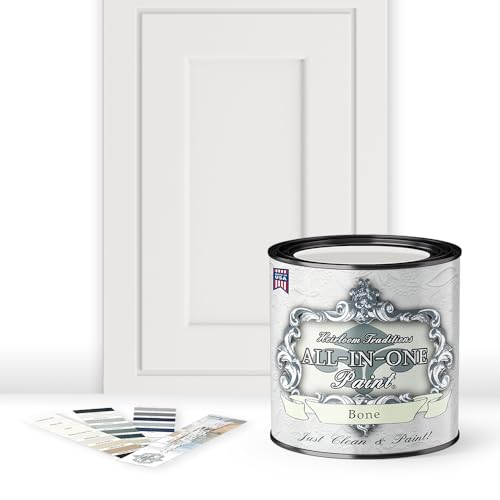


Select a contrasting color for the top layer; a lighter or more neutral shade works well. Apply this layer but avoid complete coverage to allow the undertone to show through. After the paint has cured, sand once more, ensuring to expose the original hue beneath.
Add a glaze to enhance the aged effect. Choose a pre-mixed product or create your own by combining paint with a clear finish. Apply with a rag, working it into the crevices to accentuate texture.
Lastly, seal your masterpiece with a clear topcoat for protection. A matte finish will help maintain the rustic charm, while a satin sheen can offer a slightly polished appearance. Ensure it’s fully dry before using the piece again.
Choosing the Right Type of Wood for Distressing
Select hardwoods such as oak, maple, or cherry for their durability and natural grain patterns. These types respond well to manipulation and finishing techniques.
Softwoods like pine or fir are also great choices, offering a more rustic appeal. They take stains and paints well, allowing for deeper scratches and aged effects.
Consider the following factors in your selection:
- Grain Visibility: Choose wood that has pronounced grain for a more authentic antique appearance.
- Workability: Opt for species that are easy to work with using common tools. This is especially important for those planning on hand distressing methods.
- Color Base: Light wood species allow for more versatility in staining. Dark woods can create a sophisticated contrast but may limit color options.
- Availability: Source wood that is readily available in your area to avoid excess costs and ensure quality.
- Natural Imperfections: Look for wood with knots or other character marks to enhance the antique appeal.
Experimentation is key. Test different distressing techniques on scrap pieces from your chosen wood type to achieve the desired aged effect.
Preparing the Surface for Distressing Techniques
I ensure the wood is free from dust and debris before proceeding. A thorough cleaning with a damp cloth or tack cloth prepares the surface perfectly. Sanding is a key part of the process; I prefer a medium-grit sandpaper (120-150 grit) to smooth out any imperfections. This step not only enhances adhesion of paints and finishes but also achieves a relic-like texture.
Once sanding is complete, I wipe down the wood again to remove any sanding dust. If the grain is coarse, I follow up with fine-grit sandpaper (220 grit) for an even smoother surface. This technique allows me to bring out the natural beauty of the grain during the aging process.
If the surface contains a prior finish, I use a chemical stripper or sand down until the raw wood is exposed. It’s vital for achieving a weathered effect that doesn’t clash with any underlying treatments. For areas that require an extra touch, I utilize wood filler for any significant cracks or holes, smoothing it out to blend with the original texture.
To maintain a consistent base, I often apply a wood conditioner, especially on soft or porous types, ensuring a uniform stain application. This is essential for achieving an antiqued effect as it prevents blotchiness.
For those preferring a painted outcome, I opt for a primer suited for the type of wood. I select a color that contrasts my top coat to emphasize the aged appearance. After applying the primer, I wait for it to cure completely before starting the next step.
| Preparation Step | Recommended Action |
|---|---|
| Cleaning | Use a damp cloth or tack cloth |
| Sanding | Start with 120-150 grit, finish with 220 grit |
| Removing Old Finish | Apply chemical stripper or sand to raw wood |
| Filling Gaps | Use wood filler for cracks or holes |
| Applying Conditioner | Use wood conditioner for uniform stain application |
| Priming | Choose a contrasting primer for better aging effect |
Applying Paint or Stain for a Distressed Finish
Begin by selecting a high-quality paint or stain. I prefer oil-based stains for their rich color and durability. Apply one or two coats to achieve the desired base tone, allowing adequate drying time between applications. Use a foam roller or brush for an even application, avoiding drips and pooling.
Creating an Aged Effect
Once the base layer is dry, proceed with a contrasting topcoat. Choose a lighter or darker shade depending on the aesthetic I want to achieve. To create an aged effect, I often use a dry brushing technique. Lightly dip a brush into the paint, then wipe off excess on a cloth. This method allows me to enhance raised surfaces while subtly highlighting details. Careful application means even talented hands can avoid an overwhelming finish.
Weathered Touches
For a more weathered appearance, I often employ a technique known as ‘rag rolling’ after the topcoat. This involves using a rag, lightly dipped in paint, to roll over the surface. The key is to focus on areas that would naturally experience wear over time, such as edges and corners. By layering colors and allowing some to peek through, I can replicate the authentic look of age. Lastly, seal the piece with a clear matte finish to protect my work without sacrificing the texture I’ve created.
Techniques for Distressing Wood: Sanding and Scraping
I recommend utilizing a variety of sanding and scraping techniques to achieve an aged appearance on wood surfaces. Start with medium-grit sandpaper (around 120 grit) to remove the top layer of finish selectively, particularly at edges and corners where natural wear would occur. Varying pressure creates uneven wear, enhancing the antique effect.
For deeper texture, switch to a coarse grit (about 80 grit) and focus on areas that would naturally encounter more abrasion. Pay attention to curves and detailed areas where wear is likely to be more pronounced.
After sanding, I use a scraper tool to expose the raw wood beneath the surface. This method creates distinct marks and grooves that mimic the passage of time effectively. It’s crucial to work carefully to avoid over-scraping, which could lead to an undesired finish.
Incorporating these techniques, I find it helpful to alternate between sanding and scraping for depth. After achieving the desired wear, I often finish with a finer grit (220-320 grit) to smooth out any rough edges, ensuring the surface feels pleasant while retaining the appearance of age.
Finally, always remember to dust off the surface after sanding and scraping before moving on to the application of paint or stain. This step ensures adequate adhesion and an even application, ultimately enhancing the final aesthetic.
Using Wax and Glaze for an Authentic Aged Appearance
For achieving a genuine antique effect, I recommend applying a mix of wax and glaze after paint has dried thoroughly. This combination enhances depth while offering protection. Start with a clear wax; use a clean cloth to apply a thin layer, working it into the crevices of your project. This not only seals the paint but also adds a subtle sheen.
Selecting the Right Wax
Choosing a natural or colored wax is crucial. Natural wax is ideal for retaining the integrity of the underlying color. If a more pronounced tone is desired, a tinted wax can add character and richness. Ensure the wax is compatible with your paint type to avoid peeling or discoloration.
Applying Glaze for Depth
After the wax has cured, introduce a glaze. Mix a compatible acrylic or oil-based product with a glaze medium to adjust transparency. Using a brush or a cloth, apply the glaze in a layer, and wipe off excess for a soft, aged appearance. Focus on areas that naturally wear over time, such as corners and edges.
Let each layer dry before adding additional coats or other effects. This patience results in a beautifully nuanced finish that mimics years of use.
Sealing Your Distressed Furniture for Longevity
To protect my vintage pieces and enhance their durability, I apply a suitable sealer after achieving the desired weathered aesthetic. The choice of sealant significantly affects both appearance and preservation.
Firstly, I select a topcoat based on the intended use of the item:
- Water-Based Polycrylic: Ideal for indoor use, offering a clear finish and low odor. It dries quickly and is less yellowing over time.
- Oil-Based Polyurethane: Provides a warmer tone and superior durability, perfect for surfaces that will see heavy wear. However, it has a longer drying time and stronger fumes.
- Natural Oils (e.g., Tung oil or Linseed oil): These penetrate deeply into the wood, offering a natural finish while protecting against moisture.
In applying the sealer, I follow these steps:
- Ensure the surface is clean and free of dust from any distressing techniques.
- Using a high-quality brush or foam applicator, apply the sealant in thin, even layers. Over-applying can lead to streaks or bubbles.
- Allow adequate drying time between coats. Typically, two to three coats are optimal, depending on the product.
- After the final coat has dried, lightly sand the surface with fine-grit sandpaper to achieve a smooth finish, if desired.
For deeper protection, consider adding a layer of wax after the sealer. This offers a soft sheen and additional resistance to water and stains.
Lastly, I store items in a climate-controlled environment to minimize the risk of warping or cracking. With these protective measures, my treasures can withstand daily use while showing off their charming, aged character.
Creative Ways to Style Distressed Furniture in Your Home
Mix vintage accents such as old books, weathered picture frames, and antique trinkets to complement the rugged charm of your revamped pieces. This adds layers of personality and warmth to your space.
Incorporate contrasting textures like sleek metal or soft fabrics against the rustic surface. For example, place a glossy lamp, a fluffy throw, or a shiny vase on a reclaimed wood table to create visual interest.
Group various types of weathered items in a display for a cohesive aesthetic. Arrange similar pieces–like a set of antique chairs or a side table with a vintage clock–to create a harmonious vignette that draws the eye.
Introduce greenery for a refreshing balance. Potted plants or cut flowers can soften the ruggedness and add freshness, bringing life to every room in which you place your created items.
Utilize bold color schemes. Pair your aged accents with vibrant hues that pop, such as deep reds, navy blues, or emerald greens. This contrast can highlight the character of the surfaces and make a statement.
Experiment with layering. Place a distressed piece atop a colorful area rug or add an eclectic table runner to enhance the visual depth while retaining the essence of the weathered style.
Incorporate modern pieces alongside your vintage finds. A sleek contemporary sofa can contrast beautifully with your aged tables or cabinets, creating an intriguing balance of new and old.
Lighting plays a key role. Use warm-toned bulbs or vintage-style fixtures to enhance the inviting atmosphere created by your aged accents.
Personalize your space further by displaying handcrafted items or art that resonate with your style. This can provide a unique touch that complements the overall aesthetic of your decor.
Finally, ensure that the arrangement of your items feels intentional. Consider functionality and flow to create a welcoming environment that encourages engagement and relaxation.


