
 Caleb Turner

To achieve a lustrous sheen on your amber-hued pieces, I recommend beginning with a thorough sanding using 220-grit sandpaper. This ensures that the surface is smooth and prepares it for subsequent treatments. Remember to always sand in the direction of the grain to avoid scratches that can mar the final appearance.
After sanding, apply a high-quality stain to enhance the natural beauty of the grain. Choose an oil-based stain for a deeper color saturation. Apply it using a clean cloth or brush, working in small sections and wiping off the excess after a few minutes to prevent unevenness. Allow it to dry completely before moving to the next step.
Sealing is the next critical phase. Using a polyurethane or shellac will not only protect the surface but also add depth to the color. I prefer to use a satin finish for a soft glow. Apply thin, even coats with a foam brush, allowing each layer to dry thoroughly before lightly sanding with 400-grit paper.
Lastly, polishing with a fine wax or buffing compound will give a luxurious touch and added protection. Use a soft cloth and buff in circular motions for the best results. This process creates a durable finish that enhances the elegance of your cherished pieces for years to come.


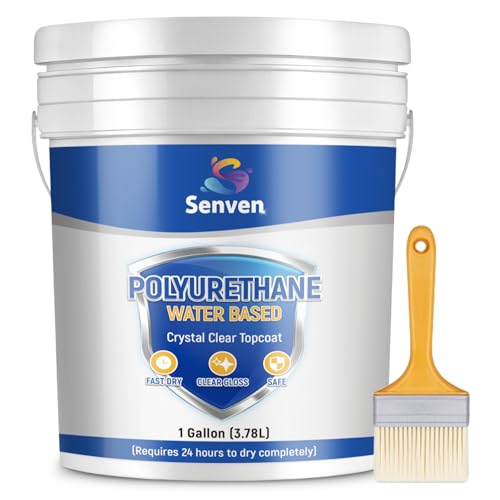
Recommendations for Completing a Fine Finish on Your Wooden Item
Begin with a thorough sanding process, using progressively finer grits of sandpaper, starting from 120 and moving up to 220-grit. This will ensure a smooth surface and help the subsequent layers adhere better. Pay special attention to corners and edges, as these areas often require extra care.
Applying Stains for Depth
Select a high-quality stain to achieve the desired hue. I recommend applying a gel stain, which provides even coverage without excessive blotchiness. Use a natural bristle brush or a clean cloth, applying the stain along the grain and wiping off the excess after a few minutes. Allow ample drying time, usually at least 24 hours, prior to the next step.
Sealing for Durability
Opt for a clear finish, such as polyurethane or a varnish, for protection against damage. A water-based formula is user-friendly and easy to clean up, while an oil-based option offers a more resilient surface. Apply multiple thin coats; typically, two to three layers are sufficient, sanding lightly between each coat with fine-grit sandpaper to ensure proper adhesion.
For a soft sheen, consider a matte or satin finish. After the final coat has dried completely, buff the surface gently with a soft cloth to achieve a subtle luster. This not only enhances the look but also helps maintain the finish over time.
Choosing the Right Finish for Cherry Wood
Opt for a satin or semi-gloss lacquer to bring out the natural warmth and depth of the species. These finishes offer a balance between durability and aesthetic appeal, enhancing the inherent beauty without overshadowing it.
Types of Finishing Options
- Oil-based Polyurethane: Provides excellent durability and a warm hue. It may require longer drying times, but the results are worth it.
- Water-based Polyurethane: Dries quickly and maintains a clear appearance, making it suitable for those desiring less amber tint.
- Spar Varnish: Ideal for outdoor pieces, this finish excels in weather resistance while allowing the grain to show.
- Tung Oil: Penetrates deeply and gives a soft, natural look. Ideal for a hand-rubbed finish that feels luxurious.
Application Techniques
- Prepare the surface thoroughly by sanding with fine grit paper to achieve a smooth finish.
- Test the finish on a scrap piece to see the color reactions and drying times.
- Apply thin coats using a high-quality brush or wipe-on method to prevent drips and ensure even coverage.
- Allow each layer to dry completely before applying the next, following the manufacturer’s recommended drying times.
Regular maintenance, such as reapplication or polishing, keeps the surface looking pristine. A well-selected treatment not only enhances visual appeal but also prolongs the lifespan of your pieces.
Preparing Surfaces for Coating
The first step is sanding the surfaces with progressively finer grits. I begin with 120-grit to eliminate imperfections and then move to 220-grit for a smoother feel.
Next, I ensure all dust is removed. A vacuum helps, and I follow up with a damp cloth to capture any remaining particulates. Allow the surface to dry completely.
I often use a wood conditioner, especially on more porous areas. Applying it helps create an even tone and prevents blotching during the application of the topcoat.
Pay attention to the wood’s grain direction when sanding and applying coatings. I use the same direction as the grain for a seamless appearance.
Finally, I examine the surface for any blemishes before applying a finish. Lighting can reveal imperfections that might be missed otherwise.
Application Techniques for Oil-Based Finishes
For a smooth application of oil-based finishes, I recommend using a high-quality natural bristle brush. This type of brush holds a good amount of finish and allows for even distribution. Start by pouring a small amount of oil into a clean container to avoid contamination.
Begin applying with long, even strokes in the direction of the grain. Avoid overloading the brush; it’s better to apply multiple thin coats than a single thick one. Maintain a wet edge while working to prevent lap marks. When I get to the edges and corners, I switch to a smaller brush or rag to ensure complete coverage without drips.
After the first coat is on, allow appropriate drying time based on the manufacturer’s instructions. Lightly sand the surface with 320-grit sandpaper after the first coat has dried. This creates a key for subsequent layers. I prefer to vacuum or wipe the surface with a tack cloth to remove any dust before applying the next coat.
Apply additional coats, repeating the sanding process after each one. Typically, two to three coats achieve a satisfactory sheen and protection. Following the last coat, I let the finish cure for several days, which enhances durability and luster.
For a polished look, consider rubbing out the final layer with a fine abrasive pad or finishing compound once it has fully cured. This step adds depth and smoothness to the surface.
Applying Water-Based Finishes on Cherry Wood
For optimal results with a water-based product, I recommend using a high-quality, clear water-based polyurethane. This type of coating enhances the natural beauty of the surface while providing durable protection against wear and moisture.
Preparation Steps
- Ensure the surface is completely sanded to a smooth finish, typically starting with 120-grit sandpaper and progressing to 220-grit.
- Clean the surface with a damp cloth to remove dust and debris, allowing it to dry thoroughly.
- Consider applying a pre-stain conditioner to promote even absorption of the finish.
Application Guidelines
- Apply the finish using a synthetic brush or a high-quality foam applicator to minimize streaks and bubbles.
- Work in thin, even coats, allowing sufficient drying time between applications as per the manufacturer’s instructions.
- Lightly sand between coats with 320-grit sandpaper to ensure proper adhesion and a smoother final surface.
Always perform a test on a scrap piece to check for compatibility and desired appearance before proceeding with the entire project. This approach guarantees satisfaction with the final outcome.
Sandpaper Grits and Their Impact on Cherry Wood
For optimal surface preparation, I recommend using a progression of sandpaper grits. Start with 80-grit for initial shaping to remove imperfections and rough patches. It not only establishes a clean surface but also minimizes the risk of tear-out in softer areas. Follow up with 120-grit to create a smoother feel while eliminating any visible scratches left by the coarser grit.
After that, switch to 220-grit for a final pass. This grade is crucial for developing an ultra-smooth texture that enhances the grain’s appearance. It’s essential to sand in the direction of the grain, as this helps avoid swirl marks. Additionally, focusing on this final stage ensures better adhesion of any applied treatments and enriches the depth of color.
Grit Progression Strategy
Employing a systematic approach to grits is key. I typically work my way through three to four different levels, gradually refining the surface. Skipping grits can lead to visible defects, particularly in finer finishes. After sanding with each grit, always clean the surface with a tack cloth to remove dust and debris, ensuring each layer adheres properly and follows through smoothly.
Final Touches
A crucial step before applying any coating is to inspect the surface under good lighting. This final assessment helps catch any imperfections that might have been missed. Sandpaper choice plays a significant role in the final outcome, influencing both texture and appearance. Using high-quality sandpaper designed specifically for finer finishes can yield superior results.
Achieving a Smooth and Glossy Finish on Cherry Furniture
Begin the process by selecting a high-quality sealer. I prefer using a solvent-based polyurethane for its rich gloss and durability. This type offers excellent protection and enhances the natural luster of the surface.
Necessary Tools and Materials
Gather the following items:
| Item | Purpose |
|---|---|
| High-quality brush or foam applicator | Application of sealer |
| 320-grit sandpaper | Smoothing between coats |
| Polishing pads | Final buffing for gloss |
| Tack cloth | Dust removal before sealing |
Application Process
Ensure the surface is clean and free of dust before applying your sealer. Work in a well-ventilated area. I use long, even strokes to distribute the product uniformly. Allow adequate drying time as per the manufacturer’s instructions, then lightly sand the surface with 320-grit sandpaper to remove any imperfections.
After sanding, I wipe the area with a tack cloth to eliminate dust. Repeat the application for additional coats–typically two or three layers yield the best results. Between each coat, ensure to lightly sand to maintain a smooth consistency.
For that coveted glossy appearance, a final buffing with polishing pads significantly enhances the sheen. Use a circular motion and apply gentle pressure to bring out the shine. Store the piece in a controlled environment to maintain the integrity of the finish and prevent any adverse reactions.
Maintaining and Caring for Finished Cherry Wood Furniture
To maintain the beauty of your piece, regularly dust with a soft, lint-free cloth to prevent dirt buildup. Avoid using abrasive materials that could scratch the surface.
Cleaning Solutions
For deeper cleans, a mixture of mild soap and water is safe. Dampen a cloth with the solution, wring it out, and wipe down the surface. Rinsing with a cloth dampened in clean water is crucial to remove soap residue. Immediately dry the surface to prevent moisture damage.
Protection and Polishing
Applying a high-quality wax every six months can enhance the finish and provide a protective layer against moisture and scratches. Look for natural wax products designed specifically for polished surfaces. Apply a thin layer using a soft cloth, buffing gently to achieve a shine.
Avoid placing hot items directly on the surface. Coasters and mats help prevent heat damage and moisture rings. Keeping the environment stable, with moderate humidity and temperature, prevents warping and cracking over time.


