Caleb Turner

To add extra space to your wooden dining surface, consider utilizing extension leaves. These are additional panels that can seamlessly integrate into the existing structure, providing a smooth transition from a smaller to a larger size.
I recommend measuring the current dimensions of your piece before selecting extension leaves. This ensures a perfect match with your current setup. Many manufacturers offer customizable options to fit various styles and finishes, making it easier to maintain the overall aesthetic of your piece.
When installing the leaves, ensure that the mechanisms are sturdy and function smoothly. Look for options with locking systems that secure the extensions in place, preventing wobbling during use. This level of stability is crucial, especially when entertaining guests.
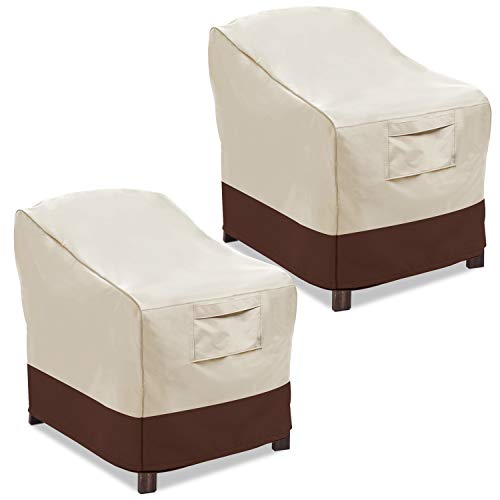
Additionally, investing in a protective cover for your dining area can help maintain its pristine condition, reducing wear and tear over time. Consider choosing materials that are easy to clean and resist scratches, ensuring the longevity of your beautiful table.


How to Expand Your Wooden Dining Space
Begin by examining the mechanism. Most pieces come with built-in extensions, often hidden beneath the surface. Locate any levers or latches that need to be disengaged to access the additional leaves.
Process Steps
1. Clear the area: Ensure the dining surface is free of items including tableware, decorations, and any other objects.
2. Release the clasp: Find the locking system and open it carefully. Pull gently on the sides to reveal the extensions.
3. Insert the leaves: Align the additional components into the designated slots, ensuring they fit snugly without wobbling.
4. Secure the structure: Re-engage the locking mechanism once all pieces are in place.
5. Level the surface: Adjust the legs if necessary to maintain a flat working area.
Maintenance Tips
Regularly check the connectors and joints to ensure they are tight. Occasionally apply a wood conditioner to preserve the finish and prevent wear over time.
| Step | Action | Notes |
|---|---|---|
| 1 | Clear area | Avoid accidents while adjusting |
| 2 | Release latch | Handle gently to prevent damage |
| 3 | Insert extensions | Check for a snug fit |
| 4 | Secure locking system | Ensures stability |
| 5 | Adjust legs | Maintains an even height |
Choosing the Right Extension Method for Your Table
Consider your specific needs: do you require a temporary solution for gatherings or a more permanent adjustment? Depending on this, select an appropriate method that fits both your style and functionality.
Types of Extension Methods
- Drop Leaves: Ideal for those who want a flexible option without needing additional hardware. Simply lift the leaves when extra space is desired.
- Butterfly Leaf: Efficient for quick setups; just pull the two sides apart, and the concealed leaf pops up. This method is user-friendly and requires minimal effort.
- Pull-Out Leaf: A traditional approach allowing for a seamless extension. This type often involves sliding sections and may require two people for larger tables.
Material Compatibility
Ensure that any extension method complements the primary materials of your setup. For instance, methods using metal mechanisms may not pair well with wooden surfaces. Test different combinations for the best visual and functional match.
Evaluate your space requirements and available storage. Some methods might require significant room to operate comfortably, while others are designed for compact living areas. Prioritize your needs to find the most feasible solution.
Measuring the Current Dimensions of Your Oak Table
Take precise measurements before planning to accommodate more guests. Begin with the length, measuring from the outer edges of each end. Utilize a tape measure for accuracy, ensuring the tape is straight and taut.
Next, measure the width across the broadest part of the surface. Confirm this by checking at multiple points in case of any warping or irregularities.
For height, measure from the floor to the tabletop’s underside. This detail is important to maintain comfortable seating arrangements.
Document the following dimensions:
- Length: [Your measurement]
- Width: [Your measurement]
- Height: [Your measurement]
Consider measuring the space around the piece to allow for extension without crowding. This ensures ease of movement for diners while maximizing seating capacity.
When you’re finished, double-check all measurements for accuracy. Accurate data is vital for selecting appropriate added components or techniques that match your current setup.
Selecting Compatible Extension Leaves
Identify the dimensions of your existing surface to ensure a perfect match with extension leaves. It’s important to consider both width and length, as well as the thickness of the new pieces.
- Determine the current size of your piece by measuring from edge to edge.
- Explore leaves that are specifically designed for the same style and model, as this ensures both a seamless visual and functional integration.
Look for materials that share similar finishes. A close match in color and texture is crucial to maintain the cohesive look of your piece. If a perfect match is unavailable, select options that complement existing decor without clashing.
- Natural variations in wood grain may occur. Embrace these differences for a more authentic appearance.
- Consider asking your supplier for samples to visualize the compatibility before you commit to a purchase.
Consult manufacturers or specialists who understand compatibility with your specific model. They can assist in finding the appropriate additional components.
Check local retailers as well as online marketplaces. Some websites allow custom orders for extension leaves, potentially broadening your choices.
Prioritize quality in your selection. Durable materials enhance longevity, so choose pieces made from solid or high-quality engineered wood that align with your preferences.
Preparing Your Oak Table for Extensions
I recommend thoroughly cleaning the surface before attempting any modifications. Use a mild soap solution with a soft cloth to gently wipe away any dirt or grime, ensuring the finish remains intact.
After cleaning, inspect the joints and hinges for stability. Tighten any loose screws or bolts to guarantee a secure fit when adding new sections. This prevents misalignment during setup.
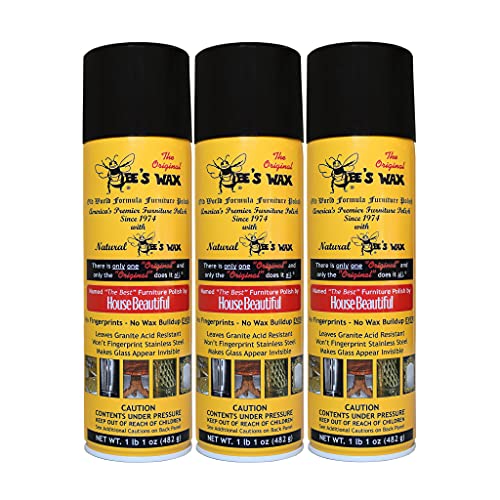
Remove any items from the surface and allow it to dry completely. Once dry, consider applying a protective wax or polish that complements the existing finish. This will help maintain the wood’s natural beauty and provide a layer of protection against scratches and stains.
Next, examine the undercarriage and legs. Make sure there are no obstructions that could interfere with the extension process. Ensure that the legs are sturdy and can support the additional weight of the leaves.
Finally, familiarize yourself with the mechanism for adding the extensions. Consult any manufacturer guidelines or manuals for specific instructions related to your piece. Knowing the correct method will enhance the process and help avoid potential damage.
Installing Extension Leaves Step-by-Step
Begin by clearing the surface of the piece. Remove any items to provide space for the installation process.
Next, locate the mechanism or system designed for inserting extra panels. This may vary depending on the construction of your model. Familiarize yourself with its configuration.
If your setup involves a sliding method, gently pull apart any joined sections to access the interior. If it’s a lift mechanism, apply gentle upward pressure to disengage it from its resting position.
Once the core structure is exposed, align the extension pieces with the designated slots. Ensure that the notches or grooves align correctly. If necessary, apply a small amount of wood wax or lubricant to facilitate smoother placement.
Carefully insert the panels into the specified openings, applying even pressure. Maintain awareness of the direction they should face to ensure a flush join with the existing surface.
Upon securing the extensions, check for any gaps between the original section and the newly added pieces. If discrepancies exist, readjust as needed until an even surface is achieved.
Finally, stabilize by re-engaging any locking mechanisms or screws that hold the added pieces in place. Ensure everything is tightly secured to prevent wobbling during use.
Ensuring Stability When Using Extensions
First, ensure the extensions are securely attached to the main structure. Utilize locking mechanisms provided with the extension leaves to prevent any movement. I prefer using sliding locks or clips that fit within the designated slots, providing a tighter fit.
If using multiple leaves, verify each one is lined up and fastened properly to avoid unevenness. Adjustments to the legs may also be necessary; I take the time to check that they bear equal weight across the surfaces to prevent wobbling.
After installation, I recommend placing a level on the surface. If the surface isn’t even, small furniture pads can be used under the legs for adjustments. For larger gatherings, consider reinforcing the framework underneath; adding cross bracing can significantly enhance stability.
Always inspect the foundation. A solid floor makes a huge difference. If on carpet, I use a plywood board under the legs to provide a stable base, reducing the risk of sinking or moving.
Finally, advise guests to avoid leaning heavily on the extended areas, as this can introduce instability. Keeping aware of how much weight is applied in various parts helps preserve the longevity of the entire setup.
Caring for Your Furniture After Extension
Regularly clean the surface using a soft, lint-free cloth dampened with water. Avoid harsh chemicals that can damage the finish. After cleaning, dry the area with another clean cloth to prevent moisture buildup, which could warp the wood.
Apply a quality furniture polish every few months to maintain shine and protect against scratches and stains. Focus on products designed specifically for wood surfaces to avoid any adverse reactions.
Keep the piece at a stable room temperature and humidity level. Rapid changes can lead to expansion and contraction, impacting the integrity of the structure. If possible, use a dehumidifier or humidifier to regulate humidity in your home.
Position coasters or placemats under dishes and hot items to prevent heat and moisture damage. Avoid leaving wet items directly on the surface, as this can cause water rings and long-term stains.
Inspect the joints and connection points after each use. Tighten any loose screws or fittings to ensure stability when extensions are added. A well-maintained piece helps retain its shape and usability over time.
Consider using felt pads under the legs, especially if the piece is frequently moved. This minimizes scratching on floors and adds another layer of protection to the wood.
Store any extension pieces in a cool, dry place when not in use. Keeping them within their protective packaging can prevent scratches and other surface damage.
Lastly, address any scratches immediately with a wood filler or touch-up pen to maintain the overall appearance. A proactive approach to care ensures enjoyment of the piece for years to come.
Matching Finishes for Additional Leaves
For seamless integration of extension pieces, it’s vital to match the finish accurately with the existing surfaces. I recommend using samples of your current finish to match as closely as possible. Begin by identifying the original stain type, which can range from oil-based to water-based. Test various shades and finishes on small areas before making a decision.
When applying the finish to new leaves, mimic the original application technique, whether it be brushing, wiping, or spraying. Consistency here affects the overall appearance significantly. Additionally, consider using a clear coat compatible with the original, as this provides a protective layer and enhances durability.
Blending techniques can also be beneficial. If your original work has patina or weathered areas, use strategically applied techniques like distressing or glazing to achieve a uniform look for all surfaces. For polished finishes, ensure the sheen matches across all pieces; buffing may be necessary to achieve this.
Finally, always allow proper drying time between coats to ensure adhesion and prevent streaks. A flash test on the underside or less visible areas can save headaches later. Properly preparing and finishing these pieces will create a harmonious look, ensuring they complement each other beautifully.
Storing Extra Leaves Safely
To protect additional sections, opt for a dedicated storage solution. Invest in a quality storage bag or box that offers padding and prevents scratches. Ensure the material inside is soft to avoid potential damage.
Environmental Considerations
Store in a climate-controlled environment. Avoid areas with humidity or direct sunlight which can warp or fade the material over time. A temperature range of 60-75°F (15-24°C) is ideal.
Organization Tips
Label storage containers clearly for quick access. If you have multiple leaves, consider numbering them or using color codes for visualization. This simplifies setup when it’s time to add sections to your dining piece.