
 Caleb Turner

For a quick makeover, I recommend using sandpaper to create a worn look. Select a grit between 80 and 120 and gently rub the edges and corners of your item, mimicking years of natural wear. This technique enhances the character of the piece without compromising its structure.
Consider layering paint to achieve an aged effect. Start with a base coat in a color of your choice. Once dry, apply a second coat in a contrasting hue. After the second layer has set, use sandpaper to lightly reveal the base color in select areas. This method adds depth and visual interest to the overall appearance.

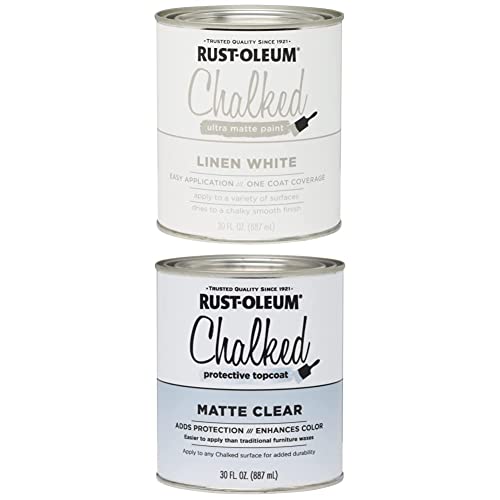

Adding some finishing touches can elevate the project. A glaze can enrich the texture; apply it with a cloth, wiping off excess for a subtle effect. Alternatively, using a dark wax will accentuate the cracks and crevices, enhancing the vintage feel. I find that these techniques, combined with a bit of creativity, can breathe new life into even the most tired pieces.
Simple Techniques for Aging Wood Pieces
Begin with a sandpaper: choose a coarse grit to remove the finish on specific areas. Focus on edges and corners to create a naturally worn look. Move to finer grit for smoothing any rough spots.
Next, I recommend using a paint or stain to achieve an aged appearance. Mix shades to mimic years of wear. Apply with a brush or sponge, ensuring to wipe off any excess to prevent a solid color finish.
Once the base layer is dry, consider using a technique called “whitewashing”. This involves mixing paint with water and applying it to enhance the wood’s texture while allowing the grain to show through. Wipe off until the desired look is achieved.
To add more character, try a dabbing method with a cloth using darker shades on crevices and raised areas to create contrast. This gives depth and draws attention to design details.
For an authentic, rustic vibe, explore using tools like a hammer or chains to intentionally create dents and scratches. Test this on a less visible area first, ensuring control over the impact.
A final step involves sealing the surface. Use a matte finish to protect the wood while maintaining that aged look. Several light coats work better than one heavy layer.
| Technique | Description |
|---|---|
| Sandpaper | Creates worn edges and textures. |
| Paint/Stain | Enhances color and age effect. |
| Whitewashing | Lightens appearance while showing grain. |
| Dabbing | Adds contrast through darker shades. |
| Distressing Tools | Creates intentional imperfections. |
| Sealing | Protects wood while maintaining aesthetic. |
Selecting the Right Furniture for Distressing
Choose pieces with solid wood construction. Softwoods like pine or fir are easier to modify, while hardwoods such as oak or maple provide durability and texture.
Look for designs that feature elements like carved details, ornate legs, or raised panels. These details add character and enhance the aged look after treatment.
Consider pre-owned items. Thrift stores, flea markets, and garage sales often have unique pieces with natural wear, saving time on achieving that aged appearance.
Check for surface finishes. Avoid highly glossy or synthetic coatings. Matte or previously distressed finishes respond better to modification techniques.
Prioritize the scale and function of the item. Selecting a suitable side table or chair can make the transformation easier and more visually impactful.
- Cabinets: Look for older styles with wood grain patterns.
- Tables: Consider extendable ones with wear marks.
- Chairs: Dining chairs with unique shapes or fabrics work well.
Finally, ensure the piece is structurally sound. Repairing can take away from the aesthetic goal, so inspect joints and stability.
Gathering Necessary Tools and Materials
To begin transforming your piece, I recommend collecting specific tools and materials that will streamline the process and ensure a quality outcome. Essential items include:
- Sandpaper: Varied grits, such as 80, 120, and 220, will allow for different levels of abrasion, depending on how worn you want the surface to appear.
- Paint or Stain: Select your preferred colors; using a base and a contrasting top coat can enhance the effect.
- Topcoat: A clear sealer, like polyurethane, protects your work and maintains durability.
- Brushes and Rollers: Different sizes will help you apply paint or stain smoothly and evenly.
- Rags or Sponges: These are handy for applying finishes and wiping away excess paint or stain.
Additional Supplies
Besides the main items, a few extra tools can make your task easier:
- Putty Knife: Useful for distressing edges and creating more natural wear.
- Wire Brush: Ideal for adding texture and aged effects.
- Masking Tape: Helps to protect areas you want to keep intact while working on your project.
Having these items ready ensures a smoother workflow and better results as you give your classic pieces a refreshed look.
Preparing the Surface for Distressing
Clean the item thoroughly, ensuring no dust, grease, or residue remains. Use a mixture of warm water and a mild detergent, applying it with a soft cloth. For stubborn stains, a gentle scrub with a sponge might be necessary.
If the piece is previously finished, I recommend lightly sanding the surface with fine-grit sandpaper. This step helps in adhering to the new finish and enhances the desired weathered look. Focus on edges and areas that naturally wear over time, as this will create localized texture.
Testing the Finish
After sanding, test an inconspicuous area with your chosen paint or stain. Apply a small amount and observe the result to ensure the color and texture meet your expectations. If the finish appears too dark or unappealing, adjust your technique or products accordingly.
Sealing the Surface
Once satisfied, consider applying a primer if using paint. This promotes better adhesion and may influence the final appearance. Allow adequate drying time according to the product’s instructions before proceeding with the technique you’ve selected for aging the piece.
Techniques for Creating Worn Edges
To achieve authentic worn edges, I use a combination of sandpaper and a chisel. Start with medium-grit sandpaper (around 80 grit) to remove a bit of paint or finish from the edges. I focus on areas that naturally wear down over time, such as corners and edges of drawers or tabletops.
Next, I switch to a finer grit (around 220) for smoothing the rough areas created by the medium grit. This helps to create a more realistic, weathered look without harsh scratches. Always sand in the direction of the wood grain to maintain its natural appearance.
Using a Chisel for Detail
After sanding, I sometimes incorporate a chisel to chip off small sections of the wood at strategic points. This technique adds depth and a distressed appearance that can’t be achieved through sanding alone. I opt for a chisel with a sharp edge and carefully remove tiny slivers from the corners and along edges.
Layering Techniques
Sometimes, I layer different techniques for added effect. For instance, applying a coat of dark wax after distressing can enhance the depth of the worn areas. This not only highlights the worn edges but also enriches the overall character of the piece. After the wax dries, I buff it lightly to achieve a subtle shine that contrasts with the aged areas.
Applying Stains and Paints for a Distressed Look
Choose a water-based or oil-based stain for a more authentic appearance. I find that stains can add depth while allowing the natural grain to show through. To begin, pick a shade that complements your desired finish and test it on a hidden area.
Use a brush to apply the stain, working in small sections, and wipe off excess with a clean cloth. This technique helps achieve an even tone. After the base stain dries, layer a paint that is slightly lighter or white for a contrasting effect. Use a dry brushing technique: lightly dip the brush in paint and remove most of it before applying to the surface.
For a more weathered vibe, mix equal parts of paint and glaze. The glaze will allow some of the underlying color to peek through while softening the paint’s intensity. Apply with a brush or sponge, then carefully blend it with a wet rag.
Don’t forget to protect the finish with a clear sealer. This step not only enhances durability but also helps to maintain the appearance you’ve created. Choose a matte or satin finish as glossy surfaces tend to detract from the rustic charm.
Experimenting with layering colors can elevate the overall look. A mixture of hues, applied with varying techniques, often yields stunning results. Allow each layer to dry thoroughly before applying the next for the best outcome.
Using Sandpaper to Achieve Texture
For adding texture to surfaces, I opt for 120-grit sandpaper, which provides a balanced approach–removing enough material without compromising the integrity of the piece. The goal is to create a naturally worn appearance rather than an artificially aged one.
1. Selecting the Right Sandpaper
- Choose 120-grit for initial sanding; it’s coarse enough to make an impact.
- Switch to 220-grit for finer touches; this will smooth out rough edges without losing the weathered look.
2. Techniques for Sanding
- Identify areas that would experience wear naturally, such as corners, edges, and handles.
- Sand these spots with a circular motion for a more organic texture.
- Apply varying pressure; lighter pressure yields subtle effects while increased pressure deepens the texture.
- Periodically wipe the surface with a damp cloth to remove dust and see your progress clearly.
Incorporating this technique allows pieces to gain character as they reflect their imagined history. The key is to stop before it feels too raw; a gentle touch preserves the craftsmanship while enhancing the aesthetic. Experimentation with different sandpaper grits can yield various textures–each piece should guide the final decision.
Incorporating Other Distressing Methods
I recommend trying a few unconventional techniques to add character. One method is using vinegar and steel wool. Soak the steel wool in vinegar for a day, then apply the solution to your piece. This creates a weathered effect on raw wood.
An additional approach is to use wet distressing. Spray water on areas and then sand gently, revealing the underlying layer of paint or finish without removing it entirely. This technique allows for a soft transition and a more organic look.
<p.Layer old maps or sheet music under a clear finish. This not only adds texture but also infuses your piece with a story. It’s a unique way to personalize an item.
Consider using a hammer or other tools to create dings and dents. Randomly striking the surface will lead to authentic wear marks that mimic years of use.
Another innovative idea is the use of candle wax. Apply wax to parts of the surface before painting. Once dry, sand off the paint on those areas, revealing the base coat underneath. This technique creates an illusion of worn surfaces.
Experimenting with different finishes, such as chalk paint, can also enhance the vintage appeal. It adheres well and can be easily manipulated for added texture.
Lastly, layering different paint colors and sanding between each layer adds depth. This method yields a rich, multi-dimensional finish that feels genuinely aged.
Sealing the Distressed Finish
I recommend using a clear topcoat to protect the new look you’ve achieved on your piece. Choose a polyurethane or water-based sealant, depending on the desired finish. For a more matte appearance, select a satin or flat product; for a glossy look, opt for high-gloss varnish.
Application Techniques
Apply with a brush or a foam applicator, ensuring even coverage. I prefer working in thin layers, as this helps prevent drips and allows for better control. Start with one coat, letting it dry completely before assessing whether a second coat is needed.
Final Touches
After sealing, allow the piece to cure for several days before using it. This ensures that the sealant has fully adhered and will provide longevity. Remember to clean tools promptly to avoid residue buildup. For additional protection, especially on surfaces that will see heavy use, consider adding a layer of furniture wax after the sealant has cured, providing a smooth finish while enhancing durability.
Maintaining the Distressed Appearance Over Time
To preserve the aged look, I recommend applying a clear wax finish every six months. This not only enhances the patina but also provides protection against wear and tear. Choose a quality wax that is easy to buff and penetrates well.
Routine Cleaning and Care
For upkeep, use a damp cloth to wipe off dust. Avoid harsh chemicals; instead, a mild soap solution suffices. After cleaning, allow the surface to dry completely before applying wax or any finishing product.
Addressing Damage
In case of scratches or chips, I suggest using a touch-up marker or matching paint to fill in the affected areas. Lightly sand the repair once it dries to integrate it smoothly into the surrounding surface. This method keeps the overall appearance natural and cohesive.


