
 Caleb Turner
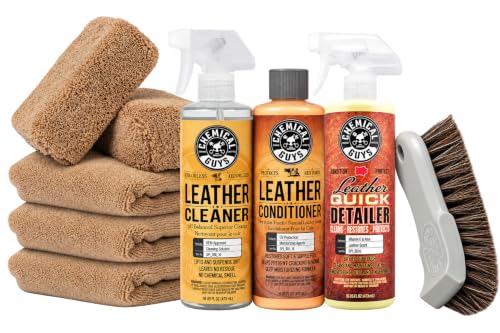
To refresh your cherished items, I suggest using a specialized color solution designed for this material. Ensure you select a shade that complements your existing decor, as this will enhance the overall aesthetic of your space.
Before starting, prepare the surface by cleaning it thoroughly. A mild soap and water mixture can remove dirt and oils. Allow it to dry completely to ensure the color adheres properly. Protect any surrounding areas to avoid accidental staining.
Applying the color evenly is key. Use a sponge or brush to work the solution into the surface, making sure to cover every area. Multiple thin layers will yield better results compared to a single thick application. Allow each coat to dry according to the manufacturer’s instructions before applying the next.
Finish with a protective sealant. This will not only help maintain the new appearance but also prolong the life of your items. Regular maintenance, such as cleaning and conditioning, will ensure they stay looking fresh for years to come.


Transforming Your Upholstered Pieces
Before beginning this process, I gather all necessary materials: a quality colorant specifically designed for this type of material, a brush, clean rags, and a protective sealer. Preparation is key. I ensure the surface is free from dust and grime by wiping it with a damp cloth. Allow it to dry completely to ensure better adhesion of the liquid.
Application Technique
I pour a small amount of colorant into a container. Using the brush, I apply the liquid in even, circular motions. I work in small sections to maintain control, being careful to avoid drips and uneven patches. The first coat is often light; I assess the coverage and allow it to dry before adding additional layers for richer tones. Patience is essential as I wait between applications, usually around an hour.
Final Touches
Once I’ve achieved the desired hue after multiple layers, I apply a protective sealant to lock in the color and enhance durability. Following the manufacturer’s instructions, I allow this to cure properly for the best results. Regular upkeep with specific cleaning agents will help maintain the appearance over time.
Choosing the Right Type of Leather Dye
Opt for a water-based option for easy application and fast drying. This type is ideal for beginners, providing decent coverage without overwhelming fumes.
- Alcohol-based dyes are more durable and penetrate deeper, making them suitable for high-traffic areas, but they require careful handling due to strong odors.
- Pigment-based products coat the surface rather than penetrate, allowing for stronger color options. Choose this if you desire a more solid finish.
- Aniline dyes offer a rich, translucent color that enhances the natural grain, perfect for those seeking to maintain the leather’s character.
Before making a selection, consider the type of leather. For finished surfaces, a pigment-based dye might work best, while aniline is suitable for naked leather.
Testing and Compatibility
Always perform a patch test in an inconspicuous area. This helps check color compatibility and the final look.
- Gather a small amount of the chosen product.
- Apply it to the test area, following the manufacturer’s instructions.
- Allow it to dry completely before evaluating the result.
If the outcome meets your expectations, proceed; if not, you can explore other options without risking the entire piece.
Preparing Your Leather Furniture for Dyeing
Begin with a thorough cleaning. I use a gentle saddle soap or specialized cleaner to remove dust, dirt, and oils. A soft cloth works well for this task; avoid scrubbing too hard to prevent damage.
Next, inspect the surface carefully. Look for cracks, scratches, or any areas of wear. If found, I recommend using a leather conditioner to maintain flexibility and prevent further deterioration.
Before proceeding, test the cleaning product on an inconspicuous area to ensure it won’t cause discoloration or damage. After cleaning, let the material dry completely; this step is non-negotiable for optimal results.
Prepare the workspace by laying down old newspapers or a drop cloth to protect the surrounding area, creating a dedicated zone for your project. Ensure the room is well-ventilated; I often open windows or use a fan to circulate air.
Gather all necessary supplies: gloves, applicators, and any tools needed for the process. Organizing these materials before starting ensures a smoother workflow.
Lastly, read the instructions on the chosen coloring agent to familiarize yourself with application techniques and drying times. Proper preparation sets the stage for a successful transformation.
Gathering Necessary Tools and Materials
For a successful transformation of your seating pieces, collect the following supplies: an appropriate colorant specifically designed for animal hides, a high-quality applicator such as a sponge or brush, and a clean microfiber cloth for smoothing. Make sure to have gloves to protect your hands from stains.
Preparation Accessories
Keep a small bowl for mixing your coloring solution, if necessary. To achieve an even finish, a fine-grit sandpaper will help in prepping the surface. It’s also wise to have painter’s tape to protect areas you don’t want to alter. If you’re working on a large surface, consider using a spray bottle to apply the color evenly.
Post-Application Supplies
After application, a sealant compatible with your chosen tint can enhance durability. Additionally, gather some soft rags and possibly a leather conditioner to treat the surface once the process is complete. These items will help preserve and restore the suppleness of the material.
Applying the Leather Dye Evenly
To achieve a uniform application of color, I prefer using a sponge or a soft cloth for the task. Microfiber cloths work well due to their softness, which prevents streaks. I dampen the cloth slightly before applying the pigment, ensuring it glides smoothly across the surface.
Starting from a small, inconspicuous area allows me to test the color and absorption. I use broad, sweeping motions to cover the area, rather than applying in small sections, which helps to avoid patchiness. Keeping a wet edge while working ensures that I blend the fresh application into the already colored parts seamlessly.
Layering Technique
If the initial coat appears thin or uneven, I opt for multiple light layers instead of a single heavy one. Each layer dries quickly, allowing me to evaluate the coverage effectively. Between applications, I lightly sand the surface with fine-grit sandpaper to promote better adhesion, enhancing the overall finish.
Fixing Mistakes
Should I notice any uneven spots after drying, I dampen a cloth with a little solvent and gently rub the area to lift excess pigment, then reapply as needed. This attention to detail is key to achieving a professional and consistent look with each project.
Sealing the Dye for Long-Lasting Color
I recommend applying a high-quality sealant after the application process to protect the color. Seek out an appropriate topcoat designed specifically for the type of finish used on your material. This will help minimize fading and wear over time.
First, ensure the color is completely dry before proceeding with the sealing step. Typically, this may take 24-48 hours depending on the environment and the product used.
Using a clean, soft cloth or sponge, apply the sealant in thin, even layers. Avoid excessive pooling to ensure uniform coverage. I prefer to work in sections, applying the sealant across the surface gently.
Let each layer dry as per the manufacturer’s instructions before adding an additional coat. Generally, two to three layers will provide adequate protection against abrasion and moisture.
Consider using a buffing cloth after the final layer to create a soft sheen. This not only enhances the look but also increases resilience against everyday wear. Make sure to follow up with periodic maintenance based on your environment to keep the application looking fresh.
Maintaining Dyed Leather Furniture
Regularly conditioning is key; I apply a quality conditioner every 3-6 months to keep the surface supple. This helps prevent cracking and fading due to exposure to sunlight and everyday use.
For cleaning, I use a damp microfiber cloth to gently wipe surfaces. I avoid harsh chemicals, opting for a mild soap solution if necessary. Rinsing with clean water is crucial to remove any residue.
Protecting against moisture is essential. Any spills are quickly blotted with a soft cloth and I ensure not to saturate the material. For added safeguards, I invest in a protective spray specifically designed for dyed surfaces.
Temperature and humidity play significant roles in the lifespan of the color. I keep the environment moderate, away from direct sunlight or heat sources that can cause discoloration or drying.
| Maintenance Action | Frequency |
|---|---|
| Conditioning | Every 3-6 months |
| Cleaning | Monthly |
| Protecting from spills | As needed |
| Adjusting environment | Constantly |
Inspecting the surface regularly for any signs of wear helps address issues before they worsen. I keep an eye out for scratches or scuffs, treating them promptly with appropriate repair products.
Troubleshooting Common Dyeing Issues
If the color appears uneven, I’ve found that applying a second coat often resolves this. Ensure you maintain a consistent application technique to avoid streaks. Use circular motions with a soft brush or cloth for uniformity.
In cases where the pigment has not adhered well, examine the preparation phase. A thorough cleaning using a suitable cleaner can prevent this by removing residues that hinder absorption. Patch testing results may vary, requiring adjustments in technique or materials.
When experiencing bleeding or fading of color post-application, consider implementing a sealant specifically designed for the treated surface. This enhances adherence and protects against wear and moisture.
If the surface feels sticky after drying, too much product may have been applied. I recommend using a microfiber cloth to gently buff the area, or allowing more drying time between layers. This reduces tackiness while enhancing the finish.
For issues like discoloration or spotting, humidity and temperature play a vital role. Maintaining stable conditions during the process is crucial. Try to avoid extremes in temperature and humidity which can affect drying and adhesion.
If the finished appearance is dull, you can restore luster by applying a light coat of conditioner after the dyeing process. This revitalizes the texture and enhances the visual appeal.


