Caleb Turner

Begin with a thorough assessment of the fabric type. Identifying the material–be it cotton, polyester, or a blend–will determine the safest approach for treatment. Next, gather your supplies: a handheld vacuum, a soft brush for agitation, and a suitable spot treatment solution. Stains require immediate attention, so address them before proceeding with general maintenance.
Utilize the vacuum to remove loose debris. Pay special attention to crevices and seams where dirt tends to accumulate. Follow up by gently brushing the surface to loosen any embedded particles. If you encounter specific stains, delicately apply your chosen spot cleaner, testing it on an inconspicuous area first to prevent discoloration.
After treating stains, it’s crucial to ensure proper drying. I recommend using a fan or allowing the item to air out in a well-ventilated space. This helps prevent any moisture-related issues that could compromise the integrity of the fabric. Regular upkeep not only extends the lifespan of your seating but also keeps it looking its best.
Recommendations for Maintaining Fabric Seating
Select a product specifically formulated for textile treatments, and verify its compatibility with the material by performing a spot test in an inconspicuous area. Employ a soft brush or cloth to gently work the solution into the stained regions, ensuring not to saturate the fabric.
Create a mixture of water and the chosen cleaning agent, applying it lightly with a sponge or cloth. Rinse the sponge frequently to avoid transferring dirt back onto the surface. After treatment, allow the material to air out in a well-ventilated space, or utilize a fan to expedite drying.
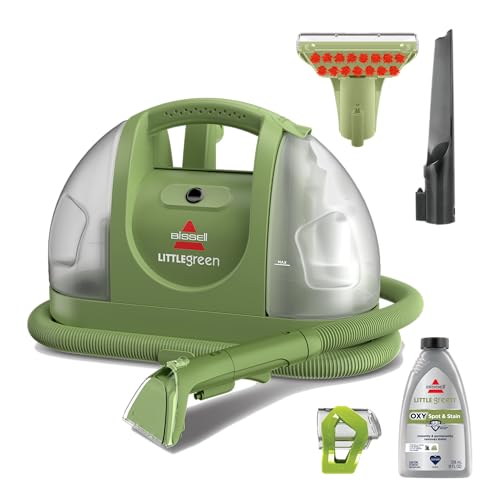


If stains persist, consider employing specialized tools designed for delicate surfaces, such as a handheld fabric refresher or a vacuum attachment specifically for upholstery. This not only assists in stain removal but also revitalizes the texture.
<pRegular maintenance includes vacuuming the surfaces with a soft brush attachment to eliminate dust and debris building up over time. This proactive measure keeps the fibers in good condition and prolongs the lifespan of your seating.
Identifying Fabric Types for Safe Cleaning
To ensure proper maintenance without damaging materials, I focus on determining the specific fabric types of each piece. Start by checking the manufacturer’s tag, usually found under cushions or on the underside. This tag often lists the fabric content and recommended care instructions.
Common fabrics include:
- Cotton: Generally durable and can withstand gentle washing. Check for colorfastness before proceeding.
- Polyester: Often stain-resistant. Spot cleaning with a mild detergent usually suffices.
- Leather: Requires special conditioning products. Avoid excess moisture to maintain its texture.
- Silk: Sensitive and prone to water stains. Use a solution specifically designed for silk.
- Linen: Can be washed, but be cautious of shrinkage. Always test a small area first.
Identifying blends presents another challenge; a combination of materials may alter cleaning methods. For instance, if a piece contains both cotton and polyester, I choose a cleaning method suitable for the more delicate fabric to prevent harm.
Being perceptive to fabric texture also aids in recognition. Smooth materials like satin or velvet require different techniques, while textured weaves such as tweed may trap dirt differently.
Conducting a simple water test can further assist: apply a drop of water on an inconspicuous area. If the fabric absorbs it quickly, it’s likely natural; if not, synthetic. Always proceed with caution using suitable cleaning agents after such evaluations.
Gathering Necessary Tools and Materials
For optimal results, I ensure to collect a set of specific items before starting this process. My go-to essentials include:
Basic Equipment
| Tool | Description |
|---|---|
| Vacuum Cleaner | Essential for removing loose debris and dust from the surface. |
| Soft Brush | A gentle brush helps to lift dirt from the fabric without causing damage. |
| Microfiber Cloths | For applying solutions and wiping any residue without leaving lint. |
Cleaning Solutions
| Solution | Usage |
|---|---|
| Spot Cleaner | Effective for treating specific stains; I choose one suitable for my fabric type. |
| Upholstery Cleaner | A suitable cleaner for tackling overall dirt; I ensure it is safe for the material. |
| Soda Water | A natural option to help lift stains, particularly grease and food marks. |
With this collection, I find the cleaning process becomes more efficient and thorough. Always verify compatibility with the material before application for best outcomes.
Preparing the Space for Cleaning
Clear the area around the piece to avoid any obstructions. Move small tables, decor items, and rugs to create a workspace that allows for easy access from all sides.
Ensure the floor is dry and clean to prevent slipping during the process. If there are any delicate items nearby, I wrap them in a protective layer or relocate them entirely to prevent potential damage.
Ventilation is critical. Open windows or use fans to maintain airflow, which helps in drying the surface faster and reduces chemical odors.
Lay a drop cloth or old towels beneath the piece to catch any drips or spills. This ensures that the surrounding area remains protected from any potential mess.
Adjust the lighting for better visibility. This helps in spotting stains or areas needing extra attention. Bright, natural light works best, but additional lamps can also be used.
If possible, position the piece away from walls or corners to facilitate movement and treatment of all surfaces. This allows for thorough access without damaging adjacent structures.
Consider having an assistant to aid in lifting or shifting the item, especially if it’s bulky or heavy. Having an extra set of hands can make the task smoother and safer.
Applying Cleaning Solutions Properly
Before applying any cleaner, I always test a small, inconspicuous area on the material. This helps ensure the solution won’t cause discoloration or damage. I use a microfiber cloth for the test, applying a small amount of the solution and observing the fabric for any adverse reactions.
When using a solvent or solution, I apply it in a controlled manner. I dampen the cloth with the cleaner, ensuring it’s not too saturated, which could lead to oversaturation of the fabric. Using a blotting motion rather than rubbing helps lift stains without damaging the fibers.
Layering Solutions
For tough stains, I layer solutions carefully. I start with the least aggressive option, applying it and letting it sit for a few minutes. If necessary, I move to a stronger alternative, always allowing each application to absorb before adding more. This prevents the buildup of residue on the surface.
Rinsing and Drying Techniques
After treatment, I always rinse the area with a clean, damp cloth to remove any leftover cleaner. It’s important to gently blot until all residues are eliminated. I then allow the fabric to air dry completely to prevent any moisture-related issues. I might even use a fan to speed up the drying process, ensuring everything is thoroughly dried before using the piece again.
Removing Stains Without Damage
I recommend testing any cleaning solution on a hidden area first to ensure it won’t harm the fabric. For water-based stains like juice or coffee, start by blotting with a clean cloth instead of rubbing, which can spread the stain. Use a mixture of mild dish soap and water, applying it gently to the stained area with a microfiber cloth.
For oily residues, sprinkle baking soda on the spot and let it sit for about 15 minutes to absorb the grease before vacuuming it up. If a stain persists, consider using a solution of vinegar and water, but again, test it first. Always blot and avoid scrubbing to maintain the integrity of the upholstery. Fresh stains are easier to manage, so address them as soon as they occur.
Specific Techniques for Various Stains
Ink stains require immediate attention. Dabbing with isopropyl alcohol on a cotton ball can help lift the ink. For food stains, scrape off any solids gently before treating the area with a soap solution. Pet stains need enzymatic cleaners for effective removal, neutralizing odors and breaking down proteins.
Red wine stains are particularly tricky; applying salt can absorb the liquid, while club soda can help lift the remaining color. Always blot the area rather than rubbing, to prevent spreading or damaging the fibers. Follow up with water or a fabric-specific cleaner to rinse the area adequately.
Finishing Touches and Maintenance Tips
After completing the cleaning process, it’s crucial to enhance the appearance and longevity of your seating. Here are some specific recommendations:
Polishing and Protecting
- Use a fabric protector spray to create a barrier against stains and spills. Ensure the fabric is dry before application.
- For leather or faux leather materials, apply a leather conditioner to maintain flexibility and prevent cracks.
Regular Upkeep
- Establish a routine of vacuuming weekly to remove dust and debris, which can degrade the fibers over time.
- Immediately address spills by blotting with a clean cloth, avoiding scrubbing to prevent fiber damage.
- Rotate cushions and pillows periodically to ensure even wear and prolong their lifespan.
For specific stains, research suitable remedies for your fabric type. Always conduct a test on an inconspicuous area before applying any solution broadly. Collaboration with a professional cleaner once a year can also rejuvenate the material, maintaining its freshness and structural integrity.