
 Caleb Turner

Begin by selecting the right grit for the task; I recommend starting with a medium grit, around 120, to remove some of the top layers effectively. This step is crucial for achieving the desired aged effect. Focus on edges and corners where wear would naturally occur. Gradually progress to finer grits, such as 220, to smooth any rough patches and ensure a consistent finish.
While working, maintain a gentle hand. Apply even pressure to prevent gouging the underlying surface. I find that circular motions yield the best results, as they help blend the distressed areas seamlessly. Additionally, be mindful of the type of paint used; latex paint may require more effort than chalk paint, which tends to wear more easily.
After achieving the look I want, I clean the piece thoroughly to remove dust. This ensures the final protective coat adheres properly. I then apply a wax or poly sealant, enhancing the visual appeal while offering protection against future wear and tear. This final touch not only elevates the piece but also sustains its charm.
Techniques for Aging a Coated Surface
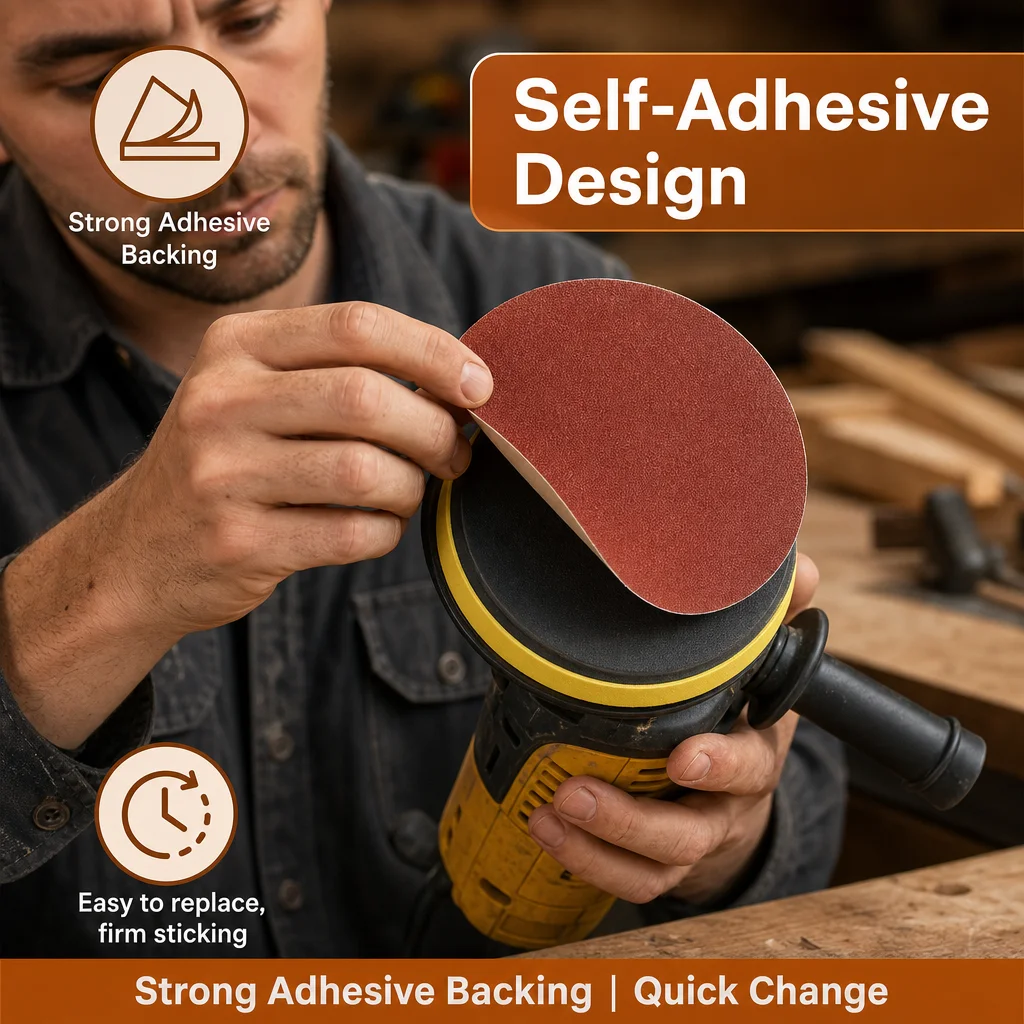
For creating an authentic worn-out look, I recommend utilizing various grits of abrasive material. Start with a medium-grade option, like 120 or 150 grit. Focus on edges and corners first; these areas naturally experience more wear over time. Lightly sand to expose the underlying layer subtly.


Layering Effects
After the initial pass, switch to finer grits, such as 220 or 320. This helps blend the distressed spots and softens the harsh scratches left by coarser materials. Apply gentle pressure and always sand in the direction of the wood grain to maintain a natural appearance.
Finishing Touches
To enhance the look, consider applying a clear topcoat after sanding. A matte or satin finish can enrich the patina without overshadowing the worn areas. Optionally, I like to use a stain to deepen the contrast where the base material shows through.
Choosing the Right Sandpaper Grit for Distressing
I recommend starting with a medium grit of 120 for the initial phase of the aging process. This level effectively removes the top layer without causing deep scratches. As I progress, I switch to a finer grit, around 220, to smooth out rough edges and create a natural look.
For more targeted wear, a coarse grit, such as 80, works wonders in highlighting areas where the paint would typically wear off over time. Applying pressure selectively allows me to mimic natural aging signs, especially on the edges and corners.
Always test different grits on an inconspicuous area first to see how the material reacts. If you notice that the finish is too aggressive or not as desired, adjust the grain size accordingly. The goal is to achieve a balanced texture that yields a harmonious blend of worn and preserved looks.
Mixing grits can also create unique effects. I often use a combination of 120 and 220 by starting with the former for basic distressing and finishing with the latter to refine the edges. This layering technique adds depth and ensures a well-rounded appearance.
Pay close attention to the surface requirements based on the type of coating and underlying material. Some finishes may require gentler handling, necessitating the use of even finer options. The right choice enhances the desired aesthetic while preserving the integrity of the piece.
Preparing Your Workspace and Furniture
Ensure a clean and spacious area prior to starting this project. Clear any clutter from your workspace to create an organized environment. A well-lit space is beneficial; if natural light is insufficient, use additional lighting to enhance visibility.
Protective Measures
- Cover the floor with a drop cloth or old newspapers to catch any debris.
- Use painter’s tape to protect areas that you don’t want to alter, like edges and hardware.
- Wear a dust mask and safety goggles to safeguard against dust particles.
Preparing the Item
Clean the surface thoroughly to remove dirt, grease, or previous finishes that might hinder the process. Depending on the initial treatment, lightly sanding or using a degreaser can be effective.
Inspect for any damage; fill scratches or holes with wood filler and let it dry completely. Once dry, sand the filled areas to ensure a smooth surface.
After making the necessary repairs, ensure the piece is completely dust-free before beginning. A vacuum with a brush attachment works well for this task.
Techniques for Creating a Distressed Look
For achieving that well-loved, antiqued appearance, I leverage various techniques. Initially, I focus on edge wear, where I gently sand the corners and edges of the piece to reveal the underlying layer, enhancing the appearance of age.
I also employ random sanding to create an uneven texture. This method involves sporadically targeting specific areas, which adds to the eclectic feel. Rather than a uniform approach, I aim for a more natural look, as if certain sections have weathered more than others.
| Technique | Description |
|---|---|
| Edge Wear | Sanding the corners and edges to expose the natural wood beneath. |
| Random Sanding | Targeting areas randomly to create an uneven, organic finish. |
| Salt Technique | Applying salt to wet paint, creating textured imperfections as it dries. |
| Rag Rubbing | Using a cloth to rub away paint in specific spots for a subtle wear effect. |
Employing the salt technique, I apply coarse salt to wet paint. As the paint dries, the salt absorbs moisture, creating unusual textures that mimic natural wear. This technique can be very impactful when combined with traditional sanding.
Rag rubbing is another method I find useful. After the paint has cured, I use a cloth to gently buff areas where I’d like to see a worn effect, ensuring a lighter touch for a subtle finish.
Carefully combining these techniques helps me achieve a distinctive, rustic charm that transforms a new piece into one with character and history.
Highlighting Details: Areas to Focus On
Concentrate on edges and corners where wear would naturally occur. Sanding these areas creates a realistic aged effect, giving character to the piece. Focus on legs and the tops of arms where movement and contact are frequent.
Pay attention to raised surfaces and intricate carvings. Lightly abrade these areas to reveal underlying layers, adding depth and interest. Be mindful not to over-sand, maintaining the integrity of the design.
Consider horizontal surfaces, such as shelves or tabletops, which naturally show signs of use. A few gentle strokes can emphasize the vintage look. Strive for an uneven application, which usually enhances visual appeal.
Lastly, inspect areas that are likely to wear due to repeated handling, such as drawer edges and handles. A subtle touch will do, simulating the natural aging process and bringing authenticity to the design.
Finishing Touches: Sealing Your Distressed Furniture
I recommend applying a protective finish to ensure longevity and maintain the visual appeal of your piece. Three common types of sealants can be used: polyurethane, wax, and varnish.
- Polyurethane: Ideal for high durability, it provides a shiny, waterproof surface. Choose between oil-based or water-based options depending on the desired sheen and drying time.
- Wax: Offers a softer, matte finish while enhancing the texture. It requires periodic reapplication but is simpler to work with. Buffing after application adds richness to the color.
- Varnish: A versatile option that dries quickly and can be used in different sheens. It provides a harder surface than wax and comes in both oil and water-based formulas.
Before applying any sealant, make sure the surface is clean and dust-free. I recommend lightly sanding the piece after distressing to create a smooth base for the finish. This step can help the sealant adhere better and bring out the character of the newly revealed layers of color.
For even application, use a high-quality brush or soft cloth, depending on the chosen finish. Apply in thin layers to prevent drips and ensure even coverage. Allow adequate drying time between coats; typically, two to three coats will enhance protection and aesthetic appeal. If opting for a wax finish, remember to buff the surface thoroughly after the final application for a beautiful sheen.
Finally, once sealed, avoid exposing the item to direct sunlight or extreme humidity, which can affect the finish over time. By taking these precautions, I can preserve the unique look and feel of my cleverly transformed piece.
Common Mistakes to Avoid While Distressing
Avoid excessive pressure on your sanding tool. Applying too much force can lead to uneven surfaces, resulting in a look that feels haphazard rather than naturally worn.
Neglecting Preparation
Skipping the step of properly cleaning and preparing the surface can lead to issues. Dust and debris may cause improper adhesion and uneven removal of the top layer, affecting the overall finish.
Ignoring the Grain
Not paying attention to the wood grain can result in a jarring appearance. Sand against the grain to create a more organic weathered look instead of a harsh one. Make sure to focus on prominent details and edges where wear would naturally occur.
Rushing the process is another common misstep. Allow yourself time to examine the effects of your work regularly, ensuring you achieve the precise aesthetic desired. Finishing touches matter; skipping the sealing step can leave the surface susceptible to damage.


