
 Caleb Turner

I recommend gathering a can of textured finish spray and selecting the right pieces that need a refresh. Before getting started, ensure the surfaces are clean and free from dust or grease to achieve an even coat. A light sanding of the surfaces will promote better adherence of the new layer, creating a beautiful base for your makeover.
Once you’re prepared, consider applying a coat of primer specifically designed for your material. This will help the color adhere and will enhance the final look. Allow the primer to dry thoroughly before moving on to the next stage.
With your chosen color in hand, hold the can approximately 12-18 inches away from the surface while applying. Use smooth and consistent strokes to prevent drips and achieve an even appearance. Pay attention to corners and edges, and remember that multiple light coats yield a better finish than a single heavy layer.


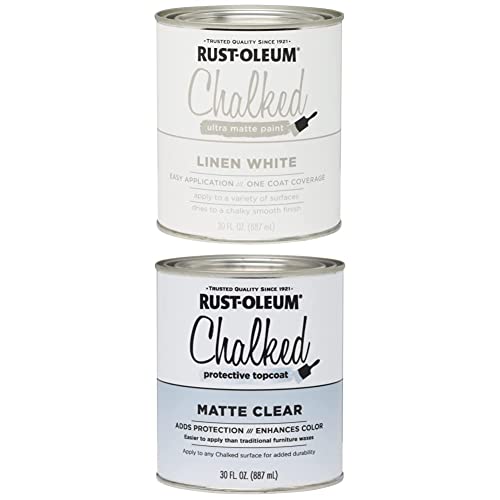
After the initial color coats have dried, think about adding accent details for dimension. Utilize techniques like dry brushing with a lighter shade or strategically sanding certain areas to reveal the underlying color, lending character and charm to your newly transformed items.
Finally, sealing the finish with a protective topcoat will ensure longevity and ease of cleaning. Choose a matte or glossy finish based on the desired outcome. Let each layer dry completely before moving or using the pieces to fully enjoy the refreshed aesthetic.
Creating a Worn Look with a Canister
To achieve an aged appearance, choose matte or chalky formulations. Multi-surface options work well on various materials, ensuring adherence and longevity.
Preparation Steps
- Clean the surface thoroughly, removing dust and grease.
- Lightly sand the item to enhance adhesion.
- Apply a primer if the original layer is glossy or dark.
Application Technique
- Hold the can 6 to 12 inches away from the surface for even coverage.
- Use thin layers; multiple passes create depth while minimizing drips.
- Let dry completely between coats, usually one hour for most options.
After achieving the base coat, utilize sandpaper or a scraper to reveal underlying layers selectively, focusing on edges and corners. This technique will enhance the authentic feel of wear and tear.
Finally, seal the surface with a clear matte topcoat to protect your work while maintaining a vintage aesthetic.
Choosing the Right Aerosol Coating for Aging
Select a product specifically formulated for surfaces, such as wood or metal. Look for a matte or satin finish; glossy coatings can detract from the vintage look.
Pay attention to drying time. Fast-drying options help in layering and achieving the desired aesthetic quickly.
| Finish Type | Recommended Use | Pros | Cons |
|---|---|---|---|
| Matte | Items needing a soft, worn appearance | Enhances texture, hides imperfections | May require more coats |
| Satin | Versatile for various materials | Moderate sheen, easy to clean | Can show fingerprints |
| Glossy | Minimal pieces; high contrast items | Creates striking contrasts | May appear too new |
Check for adherence properties; a good bond prevents peeling. Brands varying in durability should also factor into your selection.
Consider color options as well. Distressed appearances flourish with muted tones. Look for shades that suit your vision without overwhelming the base material.
Preparing Your Furniture for Spray Painting
Begin by thoroughly cleaning the surface to eliminate dust, grease, or grime. A mixture of warm water and mild detergent works well for this process. Use a sponge or cloth to wipe down the item, and rinse with clean water. Allow it to dry completely.
Next, inspect for any imperfections such as scratches or dents. Sand these areas gently using fine-grit sandpaper to create a smoother foundation. This step ensures even coverage of the coating, enhancing the final appearance.
If the surface has a glossy finish, consider sanding it lightly to create a matte texture, which promotes better adhesion of the coating. After sanding, wipe away any dust particles with a damp cloth.
To protect areas that won’t be covered, apply painter’s tape along edges, hardware, or any detail that you want to keep untouched. This helps achieve sharp lines and prevents unwanted overspray.
Before applying, it’s beneficial to test the chosen coating on a small, inconspicuous section. This way, I can assess adhesion and the final look, making adjustments as necessary. Allow the test area to dry completely to evaluate the true result.
Applying the Base Coat Evenly
Choose a well-ventilated area to minimize fumes and ensure smooth application. Hold the can at least 12 inches away from the surface. This distance allows for an even mist and prevents drips. Start spraying at one edge and move steadily across, maintaining a consistent speed. Make overlapping passes to cover the entire area without leaving bare spots.
Apply multiple light coats instead of one heavy layer. This technique reduces the chances of runs and uneven texture. Allow each coat to dry according to the manufacturer’s instructions before applying the next. If needed, lightly sand between coats to enhance adhesion and smoothness.
For corners and intricate details, use a smaller spray nozzle or an artist’s brush to ensure complete coverage. This attention to detail sets a solid foundation for the subsequent layers. By prioritizing an even base, the final look will be more polished and visually appealing.
Techniques for Distressing with Spray Paint
I prefer layering different colors to create depth. Start with a base coat and allow it to dry. Then, lightly apply a contrasting hue, ensuring it’s thin for a subtle effect. Spraying from various angles achieves a more natural look.
Sandpaper and Scratching
After the paint cures, I use fine-grit sandpaper in areas where natural wear would occur, such as edges or corners. I lightly sand to expose some of the underlying layer, mimicking age. For a more dramatic effect, I sometimes use a sharp object to scratch the surface lightly.
Wiping Techniques
To soften hard lines, I find that a damp cloth or sponge can remove excess paint. This method allows for blending and creates an aged patina. I carefully wipe specific areas to enhance the contrast between layers without disturbing the overall finish.
Layering Colors for a Vintage Look
I recommend selecting two to three shades that complement each other but vary in tone. Begin by applying the lightest hue as a base. This step sets the groundwork for the aged appearance you want to achieve. Make sure to cover the surface thoroughly, ensuring no spots are missed.
<p.Once the foundational coat dries completely, move on to the next color. For this application, I prefer a medium shade. Lightly mist it over specific areas rather than covering the entire surface. This technique allows the base coat to peek through and creates depth. Pay attention to areas that naturally wear, such as corners or edges.
<p.After the second layer, let it dry before introducing the darkest tone. Focus on highlighting grooves, carvings, or details in the design. A delicate touch is crucial–too much can overwhelm the previous layers. Use a stencil or masking tape if precision is needed for cleaner lines.
<p.It’s beneficial to experiment with varying saturation. For a more authentic vintage style, I often dilute the final coat slightly with a medium or clear glaze, allowing for smoother blending and an aged appearance.
<p.Finally, once everything is dry, lightly sand specific areas to reveal underlying colors, achieving a well-worn aesthetic. The interplay of colors and the subtle imperfections will lead to a unique and sophisticated finish that feels timeless.
Sealing and Protecting Your Distressed Finish
Apply a high-quality clear coat to preserve the aged appearance and provide durability. I prefer polyurethane for its resistance to scratches and moisture. Choose between matte or satin finishes based on your desired sheen. The matte finish keeps the rustic feel intact, while satin adds a slight sheen for a polished look.
Before applying the sealant, ensure the previously worked surfaces are clean and dry. Use a fine-grit sandpaper to lightly scuff up the base for better adhesion. Wipe the dust away with a damp cloth. Then, I recommend using a foam brush for a smooth application, avoiding brush strokes.
For outdoor pieces, opt for a waterproof sealer, particularly if they’ll face elements. Allow each layer to dry thoroughly before adding another coat; this typically takes a few hours. Always check the manufacturer’s instructions for optimal drying times.
Once applied, wait at least 24 hours before using the item to guarantee the finish sets properly. This step solidifies the artistic touch you’ve created, ensuring it holds up against daily wear.
Consider reapplying the sealant every couple of years to maintain the finish. Regular maintenance will keep your masterpiece looking fresh and well-loved over time.
Clean-Up and Maintenance Tips After Distressing
Before calling it a day, ensure all tools and surfaces are clear of residue. Begin by gently wiping down your workspace and any equipment to prevent any unwanted buildup.
Steps for Effective Clean-Up
- Use a damp cloth to wipe surfaces that may have collected dust or overspray.
- For brushes and nozzles, immediately rinse them under warm water to avoid hardened paint later.
- Store leftover materials in airtight containers to prolong their usability.
Maintenance Recommendations for Finished Items
- Regularly dust the newly transformed pieces with a soft, dry cloth to maintain their appearance.
- Avoid using harsh cleaners; instead, opt for gentle soap and water solutions.
- Apply a clear protective finish every few months to keep colors vibrant and prevent scratches.
Consider re-evaluating the sealant after time for added protection. This simple routine helps preserve the character and integrity of your creation.


