Caleb Turner

Plan diligently before moving your furnishings. Measure doorways, hallways, and staircases to ensure that pieces fit without obstruction. Use a measuring tape for accuracy and record dimensions to refer back to.
Packing is crucial. Use bubble wrap, moving blankets, or old sheets to protect surfaces from scratches and dings during transit. Secure glass components with tape to prevent shattering. Place smaller items in labeled boxes to make unpacking easier later.
Enlist the help of friends or hire professionals. If you choose the latter, research reputable services with positive reviews. Discuss the specifics of your move and get a detailed quote to avoid surprises. Proper communication can streamline the transition significantly.


Loading the vehicle should be methodical. Place heavier items at the bottom and lighter ones on top to maintain balance. Secure everything with straps or ropes to prevent shifting during transport. A well-organized approach can save time and headaches.
Upon arrival, strategically position each item in the desired location. If possible, get assistance while unloading to avoid unnecessary strain. Creating a floor plan beforehand can help visualize furniture placement for a more cohesive look.
Delivery Strategy for Moving Items to Your Home
Before the move, measure doorways, hallways, and any tight corners to ensure your items can fit through without hassle.
Use a dolly for heavier pieces; this reduces strain and minimizes the risk of damage. Wrap items in blankets or bubble wrap to protect them during transit.
Formulate a clear pathway for transporting goods inside your residence. Remove any obstacles that could impede movement. It’s helpful to have an extra pair of hands on hand to assist with navigation through tight spaces.
When positioning items inside, consider the layout of the area. Ensure each piece complements the surrounding space and allows for sufficient room to maneuver. Utilize wall space effectively, particularly for larger objects.
Last-minute checks are critical; double-check that all items are accounted for and that nothing is left behind. Clear communication with your helping hands will streamline this process and reduce potential confusion.
Selecting the Right Delivery Method
Choosing the appropriate transport option depends on several factors, including size, weight, and distance to your destination. For larger pieces, a specialized service with a truck may be necessary, while smaller items could fit in a standard vehicle.
Assessing Size and Weight
Before settling on a transport method, measure your items. For bulkier or heavier pieces, consider a flatbed truck or a dedicated moving van. This ensures safe handling and prevents potential damage during transit.
Distance and Accessibility
Evaluate the route to your destination. If navigating narrow streets or tight parking spaces, a smaller vehicle or a team with dollies may be required. For longer distances, professional movers can provide better assurance for safe transport.
Additionally, check regulations regarding unloading in your area. Some locations may necessitate permits for larger vehicles, influencing your choice.
Consider the timing as well; some services offer same-day options while others may require advanced booking. Align your method with your schedule for a smoother experience.
Lastly, don’t forget to evaluate costs. Quotes from various services can help identify the best value for your specific situation.
Measuring Doorways and Staircases for Accessibility
Before moving any large items, I take precise measurements of all doorways and staircases. This step is critical to avoid surprises during the handling process. I measure the width and height of each doorway, as well as the turn radius if applicable.
For doors, my priority is to note the clear opening width. Standard interior doors are usually 30 to 32 inches wide, while exterior doors can range from 36 to 42 inches. I also check for any obstacles near the doorframe that might impede access.
Next, I focus on staircases. I measure the width of the steps and the height from one step to another. If there are any landings, I determine their dimensions since I’ll need sufficient space to maneuver the item safely.
It’s also important to account for handrails and other features that might restrict movement. If a turn in the staircase is necessary, I measure the radius at the turn to ensure that items can be safely navigated around corners.
Finally, I document my findings and create a clear plan based on the measurements. This preparation ensures that arrangements are seamless, minimizing the risk of damage to walls or the item itself.
Protecting Items During Transport
Wrapping with high-quality moving blankets and bubble wrap is my first step. Ensure every piece is covered to mitigate scratches and dents. Secure with packing tape, but avoid tape directly on surfaces to prevent residue.
Using Protective Materials
- Bubble Wrap: Wrap delicate items individually, using multiple layers for fragile components.
- Moving Blankets: Use these for larger pieces; they provide cushioning and prevent abrasions.
- Corners and Edges: Utilize corner protectors to shield vulnerable parts from impact.
Organizing for Stability
Stack items carefully. Keep heavier and sturdier pieces at the bottom, with lighter components on top to avoid crushing. Use cardboard or foam inserts between items to minimize movement and shifts while in transit.
Utilizing straps or ropes to bind multiple items together will also aid in stability. Ensure nothing is left loose in the transport vehicle; every item should be secured to prevent rolling or sliding during movement.
Opt for weather-appropriate covers if facing inclement conditions. Tarps or plastic sheeting can protect from moisture, while also preventing dirt from settling on surfaces.
Gathering Necessary Tools and Equipment
For a successful transition of large items, assemble a toolkit that includes moving straps, a dolly or hand truck, and furniture pads. These items will not only simplify the lifting process but also safeguard against damage.
Essential Tools
Invest in a set of moving blankets or pads to cushion pieces during transport. A ratchet strap is beneficial for securing items in place. Don’t forget a screwdriver set for disassembling larger structures, ensuring easier passage through tight spaces.
Protective Gear
Wear gloves to protect your hands from sharp edges and splinters. Employ a sturdy pair of shoes with a good grip to enhance stability while maneuvering hefty structures. If you’re working with a team, consider using walkie-talkies for clear communication, especially in noisy environments.
Coordinating Delivery Times with Residents
Establish a clear communication channel with residents well before the scheduled arrival. Use text messages or emails to provide them with updates regarding the timeframe for the drop-off, ensuring they know when to expect the team.
Confirm Availability
Verify their availability by proposing a few time slots and allowing them to choose what works best. This respects their schedule and helps to minimize any potential disruption.
Consideration for Access
Discuss any access challenges at the location, such as parking restrictions or elevator availability. Knowing these details ahead of time allows for better planning and ensures a smoother process.
During the coordination, be direct and professional, making it easy for residents to communicate any special requirements or preferences they might have. This can lead to a more pleasant experience for everyone involved.
Tips for Assembly and Placement in the Apartment
Before beginning the setup, ensure you have ample space to work. Clear a wide area in advance to minimize obstacles while arranging the pieces. This step simplifies the process and reduces the likelihood of damage.
Step-by-Step Assembly Guidelines
Follow the instruction manual meticulously. If pieces are pre-assembled, separate them and check for any damages before proceeding. Use a soft cloth or blanket to protect surfaces against scratches during assembly.
Thoughtful Arrangement Suggestions
Envision the layout beforehand. Consider the natural light sources and traffic flow within the room. Utilize a tape measure to delineate where each item will go, as visualizing dimensions can change perceptions of available space.
| Item | Assembly Tip | Placement Tip |
|---|---|---|
| Couch | Attach legs first for easy maneuverability. | Position against the longest wall for a balanced look. |
| Table | Ensure all screws are tight for stability. | Leave at least 36 inches of space around for easy movement. |
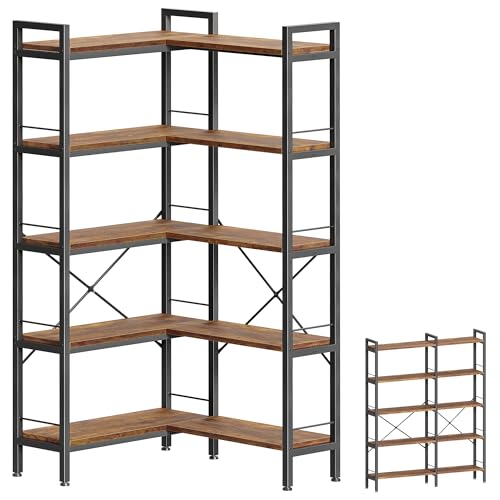
| Bookshelf | Securely anchor to the wall if it’s tall. | Align with other pieces for a cohesive appearance. |
| Bed | Assemble frame before adding the mattress. | Place away from windows to avoid drafts and glare. |
After completing the arrangement, step back and assess aesthetics and functionality. Adjust placements if necessary to optimize space and comfort, ensuring a harmonious environment.