Caleb Turner

To ascertain the authenticity of Widdicomb creations, first check the label typically affixed to the underside of the item. Authentic products will usually bear a distinct brand mark that includes the name and often the model number. This can serve as your primary identifier.
Next, examine the construction. High-quality craftsmanship is a hallmark of these works, featuring robust joinery and finely finished surfaces. Look for signs of solid wood versus composite materials, as genuine items typically utilize hardwoods like maple or walnut, making them both sturdy and aesthetically appealing.
When considering provenance, research the item’s design details. Widdicomb pieces often showcase unique stylistic elements reflective of specific design periods. For example, mid-century modern styles commonly feature clean lines and minimal ornamentation. Familiarizing yourself with these characteristics enables accurate identification.
Lastly, engaging with online forums or local collector groups can offer invaluable insights into the market value and trends surrounding these designs, assisting not only in confirming authenticity but also in making informed purchasing decisions.
Dating Widdicomb Creations
Begin with identifying the manufacturer’s mark. Original labels typically appear on the underside or back of pieces, indicating the year and collection. Specifically look for the “John Widdicomb” label with the distinctive font style that was used in different decades.
Next, pay attention to construction techniques. Piece construction can reveal the era. For instance, dovetail joints on drawer components suggest craftsmanship from the mid-20th century, while more recent methods may indicate a later timeframe.
Examine the materials. The type of wood and finishes used can also help pinpoint the era of production. Early works often incorporate rich woods like walnut and mahogany, while later pieces might feature lighter woods or veneers.
Check design styles against historical trends. The mid-century modern influences in the 1950s and 60s, for example, can help narrow down the production period. Recognizing features such as tapered legs or minimalist lines can provide additional context.
Lastly, reference catalogs or online databases specializing in vintage pieces to compare your item’s features. Photographs, descriptions, and catalog years can provide clarity to the timeline of your specific piece.
Identifying Key Features of John Widdicomb Furniture
To accurately recognize pieces from this esteemed maker, I focus on several distinctive elements. First, I inspect the craftsmanship, which typically showcases intricate details and robust construction. The joinery often reflects a high level of skill, with traditional methods such as dovetail and mortise-and-tenon joints present in many items.
Materials and Finish
The selection of materials is another indicator. Widdicomb commonly utilized hardwoods like walnut, mahogany, and cherry, each featuring rich grains. I pay close attention to the finish as well; the sheen should be smooth and well-maintained, often exhibiting a warm, polished look that enhances the wood’s natural beauty.
Design Elements
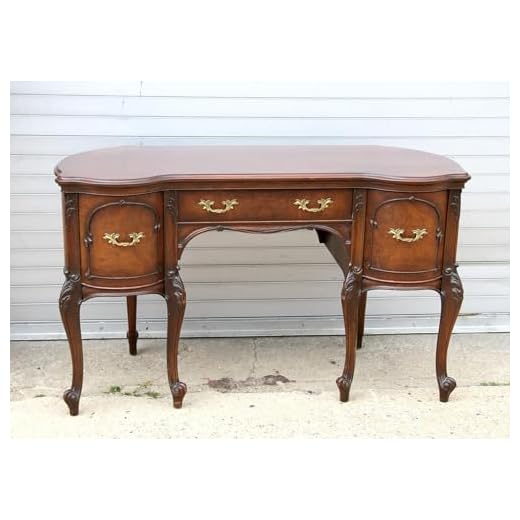
Examining the design is crucial. Many creations highlight a blend of Mid-Century Modern and traditional styles, characterized by clean lines and functional elegance. Unique features to spot include subtle curves, tapered legs, and ornate carvings or embellishments on some more decorative pieces. Labels or stamps from the manufacturer can often be found, providing additional context regarding authenticity and production era.
Understanding the Wood Types Used by John Widdicomb
Identify the wood species to determine the era and craftsmanship of each piece. American walnut, used frequently, showcases a rich, dark finish and often features intricate grain patterns. Look for the warm undertones that highlight its quality. Cherry wood, known for its reddish hue, darkens beautifully over time, indicating a well-crafted item that has aged gracefully.
Common Wood Varieties and Their Characteristics
In addition to walnut and cherry, be on the lookout for oak. Its strong, dense structure often displays visible grain, making it suitable for durable creations. Ash, lighter in color, adds a unique depth to various items. Each wood type reflects not only the aesthetic appeal but also the manufacturing period and specific style influences at the time of production.
Identifying Finishes and Treatments
Examine the finish closely. A lacquered surface often indicates a mid-20th-century piece while oil finishes suggest earlier craftsmanship. Stains can mask the wood type, so look for signs of wear to reveal the grain underneath. Knowledge of these details can confirm authenticity and assist in the assessment of the piece’s lineage.
Examining Labels and Stamps for Authenticity
Look for the manufacturer’s label or stamp, usually found on the underside or back of a piece. This label often includes the company’s name and sometimes a date, helping to establish its production timeline. Authentic items may bear the “John Widdicomb” trademark prominently, which is a critical mark of genuineness.
The presence of a serial number can also indicate authenticity. Check if there are any sequences that can be cross-referenced with known records of production. This step aids in affirming the piece’s history and provenance.
Observe the quality of the label material. Genuine labels are typically made from sturdy materials and have clean, crisp text without errors or inconsistencies. Fake labels often show signs of wear or poor printing quality.
Some pieces may feature a paper label as opposed to a stamped one. This can vary depending on the item’s creation period. Understanding these nuances can help distinguish between genuine and replicative pieces.
Familiarize yourself with various label designs over the years. The company has adapted its branding, and recognizing these variants aids in authenticating your item. Consulting reference books or expert guides may provide visual aids for comparison.
Finally, if unsure, seek an expert appraisal. Professionals with experience in this specific brand can provide clarity and further authenticate your acquisition, thus ensuring its legitimacy and value.
Assessing Construction Techniques and Design Elements
Examine the joinery methods employed, as these reveal the craftsmanship of each piece. Look for dovetails in drawer construction, as this technique indicates higher-quality craftsmanship. Mortise and tenon joints are also a hallmark of durable design, enhancing stability.
Pay close attention to finish details. An oil or wax finish suggests traditional techniques, while modern pieces may feature a polyurethane coating. The smoothness and depth of the finish can also give clues about the production era.
Inspect hardware carefully. Original metal fittings, such as brass or cast iron, reflect a commitment to quality. Verify if these elements match the style of the period, as mismatched or newer hardware may indicate alterations.
Observe the profile and lines of the design. Streamlined, minimal profiles point towards mid-century influences, while ornate carvings may signify earlier traditions. Note proportions and scales, as these change according to design trends.
Lastly, consider how elements like legs, backs, and arms are constructed. Tapered or cabriole legs are characteristic of specific styles, marking different periods and trends. Identify these nuances to enhance your understanding of the piece’s origin.
Researching Historical Context and Timeline
To establish the period of production for specific pieces, I examine key milestones in the company’s history and the broader context of furniture design during those years. Notably, understanding the influences that shaped the style and materials used can provide significant insight.
Here’s an outline of steps I take to uncover this background:
- Company History: I research the origins of the manufacturer–founded in 1963 in Grand Rapids, Michigan, the brand became prominent for its craftsmanship in mid-century modern styles.
- Design Trends: Noting the specific design movements prevalent at the time aids in identifying stylistic elements. Mid-century modern and American traditional styles dominated the latter half of the 20th century, impacting many pieces.
- Catalogs and Advertisements: I seek out vintage catalogs and advertisements. These often feature the same pieces that I’m examining, providing essential clues regarding styles and finishes available during particular years.
- Trade Shows and Expositions: Attending key furniture expos and fairs documented in historical archives reflects the introduction of new styles and technologies in the production era.
- Literature and Publications: Researching periodicals from the time gives insights into popular opinions on furniture design trends, as well as reviews that might reference the work of the company.
- Historical Context: I also consider economic factors and significant events that could influence production schedules and design choices, such as post-war affluence or environmental movements in the 1960s and 70s.
Through this multi-faceted approach, I can construct a detailed timeline that correlates specific designs with their historical significance, enhancing my understanding of the piece I am evaluating.
Utilizing Online Resources and Catalogs for Dating
Exploring online databases and catalogs has proven invaluable for determining the era of specific pieces from this renowned maker. Start with dedicated antique furniture websites and forums where collectors share insights and images. These platforms often feature detailed galleries illustrating various models, complete with production years.
Additionally, it’s useful to access digital archives of vintage furniture catalogs. Many of these resources have been preserved by collectors and libraries, providing a timeline of styles and designs. Use keywords related to the specific design style or materials to narrow down your search effectively.
| Resource Type | Description</th | Example Links |
|---|---|---|
| Antique Furniture Websites | Collections and photos shared by enthusiasts and experts | www.antiquefurniture.com |
| Online Auction Sites | Sales history and descriptions that provide insights into age | www.ebay.com |
| Library Archives | Digitized catalogs and advertisements from various eras | www.archive.org |
| Collector Forums | Discussion boards for sharing knowledge and images of pieces | www.collectorsweekly.com |
Incorporating these resources helps pinpoint the manufacturing period by comparing features, styles, and materials found in older catalogs. This systematic approach can clarify the timeline of production and assist in authenticating individual items. Pay particular attention to the details in catalogs, as illustrations often include model numbers and specific design notes that can confirm age.
Consulting Experts and Collectors for Insights
Engaging with specialists and aficionados can provide invaluable perspectives on identifying the timeline of these distinctive pieces. Here’s how to effectively leverage their expertise:
1. Join Collector Communities
- Participate in local and online forums dedicated to antique and vintage pieces.
- Attend exhibitions and fairs to network with fellow enthusiasts and experts.
- Seek recommendations for reputable dealers who specialize in historical items.
2. Connect with Antique Appraisers
- Schedule consultations with certified appraisers familiar with mid-century modern styles.
- Request written appraisals which often include detailed information about specific characteristics, design trends, and construction methods.
By doing so, you gain access to unique knowledge that might not be available in books or online resources.
3. Utilize Social Media Groups
- Follow and join groups focused on vintage home decor.
- Post images and ask for feedback regarding your specific pieces; many members are eager to share insights.
Collaborating with these communities not only enhances your understanding but also enriches your appreciation for the craftsmanship involved in each item.