
 Caleb Turner

To create delightful pieces for your charming retreat, gather materials like wood, fabric, and colorful paint. You may find these resources in various locations, such as shops or from friendly villagers. Remember to prioritize vibrant colors and whimsical designs that resonate with the playful theme.
Combine items creatively; for instance, turn simple planks into delightful tables by adding a splash of color. Think about unique arrangements that blend functionality with aesthetic appeal. For instance, a two-tiered shelf can serve as both storage and decorative display.


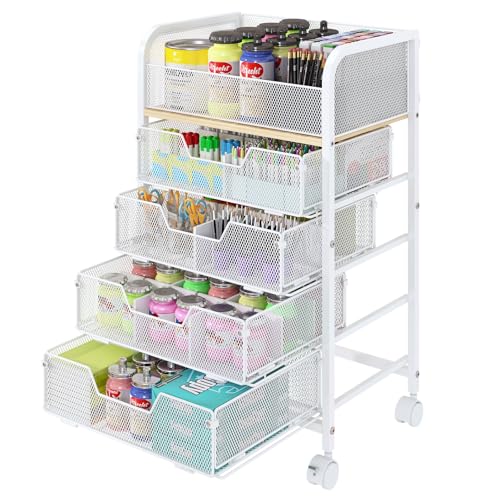
Utilize crafting recipes available in your surroundings, ensuring you experiment with different combinations. Each new creation can reflect your personality, allowing you to transform your space into a cozy haven filled with character and charm. Keeping a journal of your designs can help track your progress and inspire further creativity.
Creating Home Decor in Your Adventure
To design eye-catching pieces, focus on gathering specific resources. Make sure to collect items such as wood, fabric, and metal, as these are fundamental components for many creations.
Resource Collection Tips
- Explore different zones to find various materials.
- Trade with characters for exclusive resources.
- Participate in events to earn unique items.
Once you have enough resources, access the crafting menu. This menu allows for the selection of various pieces to create. Review each item’s requirements carefully.
Crafting Process
- Select the desired item from the crafting menu.
- Verify the resources required to complete the creation.
- Initiate the process once all materials are gathered.
Keep an eye on the crafting time, as some items may take longer to complete. After your pieces are ready, place them in your space to enhance the environment.
Regularly experimenting with different combinations can yield surprising outcomes. Don’t hesitate to combine various materials to unlock new designs and aesthetics!
Gathering Required Materials for Furniture Crafting
To create unique pieces, I focus on collecting specific resources. Begin by identifying the types of items I want to produce. Each project typically requires basic components such as wood, fabric, and metal, along with special materials unique to certain designs.
Venturing into different biomes is essential. For instance, forests are rich in wood, while coastal areas might yield fibers from sea plants. I often gather shells for decorative elements, so making periodic trips to the shore enhances my inventory.
I check my surroundings regularly. Some resources regenerate over time, allowing me to revisit locations for harvests. Additionally, interacting with villagers can lead to trades, providing rare items that simplify the crafting process.
I also keep an eye out for materials during events or seasonal changes. Certain resources become more abundant or exclusive at specific times, making it advantageous to stock up during these periods.
Lastly, maintaining a well-organized storage system makes it easier to keep track of what I have. I categorize items to streamline the crafting process, ensuring that I’m always prepared for my next project.
Understanding Furniture Recipes in the Game
Each item requires a specific combination of materials, which I have learned through trial and error. Familiarize yourself with the recipe categories, as they often group creations based on themes or functionality. For instance, outdoor pieces typically use natural resources, while indoor items may rely on textiles or synthetic materials.
Pay attention to the rarity of components; some ingredients are common, but others might demand more effort to collect. Prioritize gathering lower-tier resources that can be used in multiple recipes, optimizing your inventory usage.
Don’t hesitate to experiment with different resource combinations. Sometimes, I discover unexpected recipes that aren’t explicitly listed. Keeping a notebook or a digital file for tracking these findings could be beneficial. This process not only expands your options but also enhances your overall experience.
Lastly, trade with friends or other players. They may have insights or rare recipes that can complement your collection. This collaboration can help both parties grow their crafting capabilities efficiently.
Locating Crafting Stations in Your Play Area
Identify your surroundings quickly for stations. Each one typically appears on the main pathway or near other gathering points. Visiting the village center can provide easy access to multiple options.
Exploring Key Locations
Check areas like the main plaza and the beach for easily spotted setups. These hubs often lead to upgrades or enhancements that make creating new items simpler.
Utilizing the Map
Refer to your in-game map for precise locations. It highlights crafting spots and other important markers, enabling efficient planning for material collection. You can also find tips in the community forums about less obvious spots, enhancing your ability to locate crafting areas efficiently.
Step-by-Step Guide to Crafting Your First Furniture Piece
Begin your creative process by selecting your desired item from the crafting menu. Each piece has its own unique requirements and specifications, so ensure you check the recipe details.
Gathering Materials
Next, collect the necessary components listed in the recipe. Look around your surroundings; various items can often be sourced from the environment or from completing tasks and interactions with characters. Prioritize gathering basic materials to ensure you can access multiple recipes.
Using the Crafting Station
Once you have all materials, proceed to the nearest crafting workstation. Approach the station, and an interaction prompt will appear. Select the item you wish to create. Keep an eye on the crafting timer, as some pieces may take time to complete. Once the timer hits zero, your masterpiece will be ready for placement!
Remember to experiment with different combinations to discover new items. This will enhance your experience and allow you to personalize your space effectively.
Customizing Furniture Designs for Personalized Touch
I recommend utilizing various themes and colors to make your creations truly unique. Look for patterns that resonate with your chosen aesthetic. Consider integrating elements from your favorite characters or seasonal motifs to add flair.
Experimenting with Materials
Mixing materials can lead to striking designs. Here are some options to think about:
- Wood: For a classic look, use different shades of wood. Dark mahogany provides elegance, while light birch feels airy.
- Fabric: Incorporate colorful cushions or fabric patterns that complement the main piece.
- Accessories: Don’t overlook additional objects like lamps, plants, or decorative items to enhance the overall vibe.
Color Schemes and Patterns
Choosing the right colors is essential for expressing your style:
- Monochromatic: Stick to varying shades of one color for a cohesive look.
- Complementary: Select colors opposite each other on the color wheel to create striking contrast.
- Analogous: Use neighboring colors for a harmonious palette that flows well together.
Lastly, adjust your designs based on personal preference or seasonal influences to keep your space feeling fresh and inviting. Don’t hesitate to take risks with your artistry; that’s how individuality shines through!
Maximizing Space: Best Arrangement Tips
Utilize vertical space by placing items like shelves and tall cabinets against walls. This approach draws the eye upward, making the area appear larger. Consider clustering smaller pieces together to create specific zones, such as a cozy reading nook or a dining area. This method helps define purpose without overcrowding.
Leave pathways clear for easy movement. Position larger pieces to facilitate flow, ensuring that they’re not obstructing walking areas. Additionally, try floating furniture instead of pushing everything against walls; this can enhance intimacy in larger spaces.
Incorporate multifunctional objects. Use items like storage ottomans that can serve both as seating and storage solutions. Selecting pieces that can be rearranged quickly enables flexibility for various activities, be it entertaining friends or relaxing.
Arrange items at varying heights to create visual interest. Mixing low and tall objects encourages the eye to explore the space. Group items with similar colors or themes to foster cohesion, while allowing colorful accents to stand out as focal points.
Regularly reassess the setup as your style evolves or as you acquire new objects. Don’t hesitate to shift things around for fresh perspectives. A simple rearrangement can breathe new life into your surroundings.
Exploring Furniture Benefits for Island Improvement
To enhance the overall experience and aesthetics of my paradise, I’ve focused on selecting items that not only serve functional purposes but also contribute to the charm of my surroundings. Incorporating unique pieces can transform ordinary spaces into inviting areas perfect for relaxation and social interactions.
Prioritizing comfort is key. Adding seating elements lets villagers gather and interact, creating a sense of community. For instance, arranging cozy benches near scenic spots encourages conversation while admiring the beauty around. I’ve noticed that placing elements that reflect the theme or mood of each area can evoke specific feelings, making the environment more enjoyable.
Boosting Island Productivity
I’ve found that specific objects can provide direct benefits, such as increasing resource generation or facilitating tasks. Items like storage compartments allow easier access to essentials, minimizing downtime during activities. By strategically installing workstations, I optimized workflow, enabling quicker project completion without unnecessary interruptions.
Enhancing Aesthetic Appeal
To truly capture the essence of my haven, I’ve customized designs to reflect my personality. Choosing colors and styles that resonate with my tastes creates a cohesive look across different regions. Visitors appreciate the effort in design harmony, which ultimately leads to more enjoyable interactions.
By thoughtfully selecting and positioning each piece, my tropical retreat flourishes, reflecting a unique blend of functionality and artistry.
Unlocking Advanced Techniques in Assembly
To elevate my assembly skills, focusing on mastering combination recipes is key. These often require multiple components, allowing me to create unique items that stand out in my surroundings. For instance, combining simple pieces like tables and chairs can yield sophisticated designs, enhancing my creativity.
Leveraging Seasonal Materials
Utilizing seasonal materials boosts crafting efficiency, with unique items available during specific events. By stockpiling these resources, I can create limited-edition designs that not only beautify my space but also attract visitors. Keeping an eye on seasonal updates ensures I’m ready to take advantage of exclusive recipes.
Collaborating with Friends for Unique Designs
Engaging with friends allows me to share and acquire innovative recipes. Swapping unique items can lead to discovering new combinations that enrich our collective experience. Setting up crafting gatherings is an excellent way to enhance our skills while having fun on the journey. The social aspect of assembly adds layers of enjoyment.
| Technique | Description |
|---|---|
| Combination Recipes | Mix basic components for unique designs. |
| Seasonal Materials | Collect exclusive items during events. |
| Collaboration | Exchange designs with friends for creativity. |
Experimenting with different styles and combinations is essential for honing my skills in assembly. Monitoring trends within the community keeps my designs fresh and relevant, ensuring my contributions always resonate with visitors. By integrating these techniques, I enhance not only my experience but also the allure of my environment.


