Caleb Turner

Begin with assessing the materials of your beloved interior items. Natural woods like teak or eucalyptus can withstand moisture, while metals such as aluminum will resist rust. If your cherished pieces are not made from these durable materials, consider applying a protective finish or sealant designed for exterior use.
Next, cushion covers and textiles require special attention. Opt for options made from weather-resistant fabrics like solution-dyed acrylic or polyester, which are designed to endure outdoor conditions. If replacing is not feasible, use outdoor fabric sprays to enhance durability and repellent properties.
Incorporating additional features can elevate your interior items for outdoor enjoyment. Attach weather-resistant coasters or sliders to protect surfaces and prevent scratches on your decking. Adding waterproof covers can also prolong the lifespan of your items when not in use, keeping them safe from the elements.
Transforming Household Items for External Use
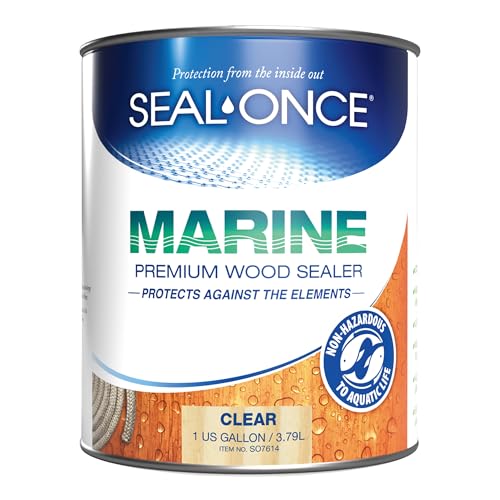
To successfully adapt furniture for external settings, begin by selecting materials that can withstand moisture and harsh sunlight. For instance, wooden pieces should be treated with waterproof sealants to prevent warping. If items are upholstered, use outdoor-grade fabrics that resist fading and mildew.

Modify Structures
Modify the construction of items as needed. For tables, adding a layer of outdoor varnish enhances durability and eases maintenance. Legs might require rubber caps to prevent corrosion when placed on damp surfaces. For bookshelves, consider securing them to prevent tipping in windy conditions.
Accessorize for Resilience
Accessorizing plays a significant role. Incorporate weather-resistant cushions with removable covers that can be easily cleaned. Use trays and organizers made from synthetic materials to protect surfaces and keep organized items dry. Creating shade with umbrellas or awnings can prolong the life of transformed pieces as well.
Assessing Furniture Materials for Outdoor Use
Prioritize water resistance. Materials like teak and eucalyptus resist moisture, while other types, like pine, require treatments to prevent rotting.
Evaluate UV resistance. Fabrics such as solution-dyed acrylic hold color longer under sunlight, whereas untreated cotton fades and deteriorates quickly.
Inspect for mold and mildew resistance. Materials like resin and aluminum don’t support fungal growth, while certain wood types may need regular sealing.
Analyze durability against weather changes. Metals like stainless steel or powder-coated options withstand rust and corrosion better than untreated iron.
Consider weight for stability. Lighter pieces may blow over easily; heavier models or items with weighted bases are preferred for windy areas.
Look at maintenance requirements. Metal and synthetic options usually need less upkeep, while wood demands periodic sealing or treatment for longevity.
Ponder comfort in varying temperatures. Materials that warm or cool quickly can influence comfort; for instance, metal can get hot in the sun, impacting usability.
Finally, check for assembly compatibility. Some materials lend themselves to easier disassembly, which can be beneficial for storage during harsh weather.
Preparing Indoor Pieces for Outdoor Conditions
Inspecting each item for structural integrity is crucial. Look for any loose joints or damages that may worsen with exposure to moisture and UV rays.
Cleaning and Maintenance
Thoroughly clean surfaces to remove dust, grime, and potential allergens. Use mild soap and water, and ensure all parts are completely dry before applying any protective products. Vacuum upholstery to eliminate dust particles.
Applying Protective Coatings
Utilize water-resistant sealants on wood and metal surfaces to prevent rot and rust. For textiles, consider using sprays that create a barrier against water and UV rays. This step greatly extends the lifespan and maintains appearance.
Check for removable cushions or fabric parts. If possible, store these elements indoors to minimize wear from weather changes. This will help retain their comfort and color integrity.
Finally, consider the placement of items; use covers or move them to sheltered areas when inclement weather is expected to further protect them.
Choosing Weather-Resistant Finishes and Treatments
Sealants are non-negotiable for long-lasting performance against moisture. I prefer polyurethane or marine-grade varnish for their durability. These options not only provide a protective barrier but also enhance the aesthetic appeal of the piece.
Types of Finishes
For outdoor applications, oil-based finishes can deeply penetrate wood, boosting water repellency. Water-based finishes, on the other hand, dry quickly and are easier to clean up. I often choose products based on the intended exposure level–more exposure calls for robust oil-based solutions.
Application Techniques
Ensure the surface is clean and dry before applying any finish. Use a fine-grit sandpaper to create a smooth base. I typically apply multiple thin coats, allowing proper drying time between applications, for optimal protection. Don’t forget to pay special attention to edges and corners, where moisture can accumulate.
| Finish Type | Durability | Recommended Use |
|---|---|---|
| Polyurethane | High | Furniture in wet climates |
| Marine Varnish | Very High | Coastal environments |
| Oil-based Sealant | Medium to High | Minimal exposure areas |
| Water-based Finish | Medium | Shaded locations |
Regular maintenance is key. I recommend inspecting surfaces every season and reapplying a protective layer as needed. This proactive approach ensures continued resistance against elements, preserving the beauty and functionality of the transformed piece.
Design Modifications for Enhanced Outdoor Comfort
To enhance the comfort of your transformed pieces, consider adding cushions specifically designed for external use. Opt for weather-resistant fabrics that offer both durability and softness.
- Choose materials like Sunbrella or solution-dyed acrylics, which are resistant to moisture and UV rays.
- Incorporate thicker foam padding for seating areas to improve comfort during prolonged use.
Adjusting the dimensions of certain elements can also promote a more inviting atmosphere. For example, you can lower tabletops or add footrests to seating to create a relaxed vibe.
- Test various height adjustments to find the most ergonomic positions for relaxation.
- Consider adding swings or recliners for a laid-back feel and additional enjoyment.
Adding decor elements will personalize your revamped pieces and enhance their aesthetic appeal. Introduce vibrant throw pillows or add lush throws to introduce color and texture.
- Use outdoor-friendly materials to prevent moisture absorption and fading.
- Incorporate lightweight, portable accessories for easy rearrangement and storage.
Lastly, ensure adequate lighting for evening gatherings. String lights or lanterns can create a cozy ambiance while allowing for continued use after sunset.
- Utilize solar-powered lights for energy efficiency and ease of installation.
- Position lights strategically for mood creation without causing glare.
Maintenance Tips for Outdoor Furniture Longevity
Regular cleaning is imperative. I recommend using a mixture of mild soap and water to wipe down surfaces. This removes dirt and prevents buildup that can cause wear over time.
Seasonal Preparation
- Store items indoors during extreme weather. If that’s not possible, use protective covers tailored to fit the shapes of the pieces.
- During cold months, consider bringing cushions inside to prevent moisture retention and mold growth.
Inspection and Repairs
- Twice a year, check for signs of damage such as cracks, rust, or fading. Address issues promptly to prolong their lifespan.
- For wood, look for splintering and apply a wood filler as necessary before refinishing.
Applying a suitable sealant can enhance protection against moisture and UV rays. Choose products specifically designed for the material of each piece. Reapply annually to maintain efficacy.
Lastly, consider the position of your pieces. Avoid placing them in direct sunlight for prolonged periods. Adjusting their location can minimize sun damage and reduce fading.
Creative Ideas for Styling Converted Outdoor Furniture
To achieve a cohesive look outdoors, consider applying a fresh coat of weatherproof paint or outdoor-safe stain in colors that complement your garden or patio surroundings. Bright hues can add personality while muted tones contribute to a calming atmosphere.
Incorporating Textiles
Add cushions and pillows designed for external conditions. Opt for fabrics treated to resist fading and moisture. Mixing patterns and textures can enhance visual interest and comfort. Outdoor rugs can also define areas, creating a cozy atmosphere without sacrificing durability.
Functional Accessories
Integrate practical elements such as waterproof storage boxes or stylish trays that can hold beverages and snacks. Utilizing decorative lanterns or solar-powered lights will elevate ambiance during evenings. When planting, choose stylish pots that resonate with your newly styled space, selecting sizes that match the scale of your converted pieces.