Caleb Turner

First, gather your supplies: a soft cloth, a gentle cleaner, and a nourishing oil. This combination is essential for restoring the beauty of neglected items.
I recommend starting with a dry microfiber cloth to remove dust and debris. This will prepare the surface for deeper treatment without scratching the finish.


If you encounter stubborn dirt or stains, mix a small amount of mild soap with water. Dampen the cloth slightly and gently wipe the areas, making sure to follow the grain of the timber. Avoid soaking the material to prevent swelling or warping.
Afterward, let it dry completely. The next step is to replenish moisture. Apply a few drops of a high-quality oil, such as linseed or lemon, to another clean cloth and rub it into the surface. This will enhance the natural shine and protect against future damage.
Finally, placing items in a controlled environment can prevent future deterioration. Monitor humidity and temperature levels to ensure longevity.
Restoring Indoor Timber Items After Time Away
Begin with a thorough inspection of all surfaces for dust and grime buildup. Utilize a soft, lint-free cloth to gently wipe down each piece. For stubborn residue, mix a solution of mild soap and warm water, applying it to the cloth rather than directly to the wood.
Removing Stains and Marks
If you encounter any stains, tackle them promptly:
- For water stains, a mixture of equal parts vinegar and olive oil can be effective. Rub gently with the grain until the stain diminishes.
- For scratches, use a touch-up marker or wood wax crayon that matches the tone. Buff lightly to blend.
Conditioning and Protecting Surfaces
After the initial cleaning, it’s crucial to rejuvenate the finish. Apply a quality wood conditioner or polish with a clean, dry cloth:
- Work along the grain to enhance luster.
- Let it sit for a few minutes, then buff to achieve a protective sheen.
Maintaining the beauty of your timber pieces is an ongoing process. Make it a habit to dust regularly and avoid exposing items to direct sunlight and moisture for prolonged periods.
Assessing the Condition of Stored Wood Furniture
First, I examine each piece closely for surface irregularities such as scratches, dents, or discoloration. A bright, direct light helps reveal these imperfections, making it easier to address them appropriately.
I check joints and connections for any signs of loosening. A gentle wiggle or movement can indicate whether the structure is stable or needs reinforcement. Tightening screws or applying wood glue might be necessary if I notice any looseness.
Next, I inspect for signs of moisture damage or mold. I look for dark spots or a musty smell, indicating potential issues. If any are present, I take care to ventilate the area and consider using a dehumidifier if conditions are too damp.
I assess the finish as well. If the lacquer or varnish appears dull or worn, it may need refinishing. I gently rub my fingers over the surface to feel for any stickiness or roughness, which can help determine the necessary steps for revitalization.
Finally, I make a note of any repairs needed and prioritize them. Establishing a clear plan ensures the revival process is efficient and effective.
Gathering Necessary Cleaning Supplies
Begin with a microfiber cloth for dust removal. This gentle fabric traps particles without scratching surfaces. Pair it with a soft-bristled brush to reach crevices and intricate designs effectively.
For a natural solution, acquire a mixture of equal parts vinegar and olive oil, which works wonders in restoring shine. Alternatively, consider a commercial wood polish designed to nourish and protect.
Include a bucket of warm water for rinsing and a sponge or soft cloth for removing residue. A pair of rubber gloves can protect your hands if using any chemical cleaners.
If repairs are necessary, gather wood glue, touch-up markers, or wax sticks to address minor damages and scratches. A sanding block or fine-grit sandpaper may also be useful for smoothing rough areas.
Ensure you have a vacuum with a brush attachment to catch dust and debris before your maintenance process begins. Create a checklist to confirm your supplies are complete, making the task more efficient.
Removing Dust and Debris from Wooden Surfaces
I recommend using a soft, lint-free cloth to gently wipe away dust and dirt. This prevents scratches while ensuring surfaces remain intact. Starting from the top and working your way down helps avoid spreading debris to already cleaned areas.
Tools and Techniques
A microfiber cloth is ideal for collecting particles without leaving fibers behind. For stubborn dust in crevices, a soft-bristled brush or a vacuum cleaner with a brush attachment is effective. Be cautious with vacuums, ensuring they have no sharp edges that might damage delicate finishes.
Methodical Approach
Focus on one section at a time. Begin with horizontal surfaces, then tackle vertical panels and edges. For intricate carvings or decorative details, use a dampened cloth with a mixture of water and a few drops of mild soap, ensuring the cloth is not soaking wet. Afterward, dry the area with a clean cloth to avoid moisture damage.
Regular maintenance will aid in keeping pieces looking their best, reducing the need for deep cleaning after extended periods away from use.
Identifying and Treating Stains and Marks
First, I examine the surfaces for any noticeable blemishes, which can include water rings, scratches, or grease stains. Each type needs a tailored approach for effective treatment.
Water Rings
For water rings, I create a paste using equal parts baking soda and water. I gently rub it on the affected area with a soft cloth in the direction of the grain. After a few minutes, I wipe it off with a damp cloth and dry the surface thoroughly.
Grease Stains
When tackling grease, I mix mild dish soap with warm water. Using a cloth, I apply the solution lightly to the stain, avoiding excessive moisture. After several minutes, I wipe with a clean, damp cloth before drying it carefully.
I also pay attention to scratches. For minor ones, a walnut can work wonders; I rub the meat of the nut over the scratch and then buff it lightly with a clean cloth. For deeper marks, I might consider using a touch-up marker that matches the finish.
After addressing all spots, I ensure the entire surface is polished with a suitable furniture polish to restore its luster.
Choosing the Right Cleaning Solution for Wood
Opt for a gentle dish soap mixed with warm water for light dirt removal. This solution won’t harm the finish and effectively loosens grime. Test on an inconspicuous area first to ensure compatibility with the surface.
If the surface exhibits stubborn marks or mild stains, consider a mixture of vinegar and water in a 1:1 ratio. Vinegar acts as a natural degreaser and disinfectant, but again, preliminary testing is crucial to avoid any adverse reactions.
For oily residues, a blend of mineral spirits can be useful. Apply it with a soft, lint-free cloth, ensuring not to saturate the wood. This method restores the natural luster without stripping the surface.
Check for specialized products designed for specific types of finishes, such as polyurethanes or shellacs. Always adhere to manufacturer guidelines to maintain the integrity of the surface.
When utilizing any cleaning solution, always apply with a soft cloth, moving with the grain. This technique prevents creating additional scratches and maintains the item’s appearance.
Applying Polish or Wood Conditioner
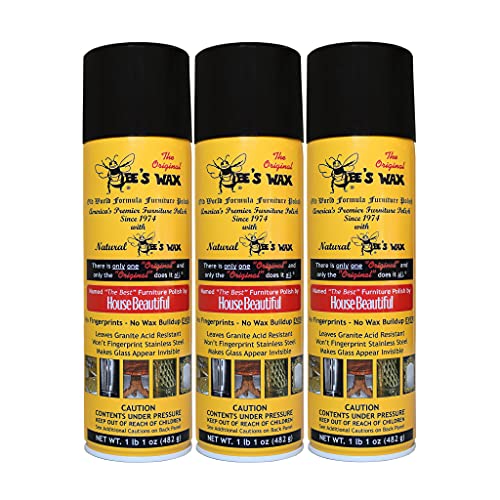
For enhancing the luster of my previously tucked away pieces, I opt for a high-quality polish or conditioner suited for the specific type of timber. I always check the product label to ensure compatibility with my items.
Before application, I thoroughly clean surfaces to remove any residue. I apply the polish or conditioner using a soft, lint-free cloth, making sure to follow the grain for optimal absorption. Here’s my process:
- Shake the bottle well to mix ingredients.
- Apply a small amount to the cloth, avoiding excess that can lead to buildup.
- Gently rub the product into the surface, focusing on areas that look dull or faded.
- Leave it to sit for a few moments, allowing the product to penetrate effectively.
- Buff the surface with a clean section of the cloth to achieve a shine.
Tips for Best Results
- Test on a hidden area to observe how the finish reacts.
- Avoid waxing items that have a matte finish; instead, opt for a specific conditioner.
- Limit the frequency of application to prevent excessive buildup, typically every few months is sufficient.
This process revitalizes the appearance and adds a layer of protection against future wear. Observing the surface regularly helps me determine the right timing for reapplication and maintenance.
Inspecting for Pest Infestation
Before proceeding with any care routine for your wooden items, I meticulously examine them for signs of pest infestation. Common indicators include tiny holes, frass (sawdust-like material), and webs. A thorough visual check enables early detection and avoids further damage.
I inspect joints, corners, and crevices, as these places are often where critters hide. If suspected, I use a magnifying glass to look closer. Insects such as termites, wood-boring beetles, and carpenter ants can cause significant degradation and may go unnoticed.
If I locate signs of an infestation, I typically consider isolation of the affected item. This helps to prevent the spread of pests to other pieces. I then research effective treatments, which may include professional pest control or non-toxic options like diatomaceous earth.
Maintaining a keen eye on any life forms can save my treasured pieces from extensive repairs or replacements. Prevention is easier than remediation; therefore, I always ensure that the environment is dry and free of any food sources that might attract pests.
| Infestation Signs | Actions |
|---|---|
| Visible holes | Inspect extensively for damage |
| Frass | Consider involving pest control |
| Webs | Remove and clean thoroughly |
| Excessive wear or softness in wood | Isolate affected item |
Preventing Future Damage After Cleaning
After restoring your vintage treasures, maintaining their longevity is key. I recommend placing coasters under beverages to avoid moisture rings. Utilize soft cloths for dusting to prevent scratches, ensuring the surface remains intact.
Consider using a dehumidifier in environments prone to excess moisture, as humidity can warp and dull finishes. Avoid placing items directly in sunlight; UV exposure can lead to fading and discoloration over time.
Apply protective pads under decorative objects to prevent scratching, and periodically inspect for signs of wear or pests. A routine check every few months allows me to catch potential issues early. Additionally, reapplying polish or conditioner every six months helps preserve the luster and protect against residue build-up.
Store any unused pieces in a climate-controlled area, keeping them away from extreme temperatures. If relocation becomes necessary, ensure they’re well-wrapped with protective materials to mitigate movement damage.
By implementing these precautions, I can enjoy my restored pieces for years to come while minimizing future repair efforts.
FAQ:
What steps should I take to clean wood furniture after it has been in storage?
Begin by removing dust and debris with a soft cloth or a feather duster. For deeper cleaning, use a mixture of mild soap and water, applying it with a damp cloth. Avoid soaking the wood. After wiping it down, dry with a clean towel. If the wood appears dull, consider applying a suitable wood polish or conditioner to restore its luster.
Is it safe to use vinegar on wood furniture that has been in storage?
Vinegar is a natural cleaner but can be too acidic for wood surfaces. It’s best to avoid using it, as it might damage the finish. Instead, stick with a gentle soap solution or products specifically designed for wood care. Always test any cleaner in a small, inconspicuous area first to check for adverse reactions.
How can I remove unpleasant odors from wood furniture that has been in storage?
Unpleasant odors can be removed by placing open boxes of baking soda inside the furniture pieces for several days, as baking soda absorbs smells. You can also try placing activated charcoal or coffee grounds in the drawers or cabinets to neutralize odors. If the smell persists, consider lightly sanding the surface and reapplying a finish, which may help eliminate trapped scents.
Are there special products I should use for cleaning antique wood furniture?
Yes, antique wood furniture requires gentle care to maintain its integrity. Look for specialized cleaners designed for antique wood, which often contain ingredients that clean without stripping the finish. Avoid harsh chemicals or abrasive materials, as these can ruin the delicate surface. Regular dusting and conditioning are also vital for preserving antique pieces.
Can I use a steam cleaner on wood furniture that has been in storage?
Using a steam cleaner on wood furniture is typically not recommended. The heat and moisture can warp or damage the wood over time. Instead, opt for a damp cloth with a gentle cleaner. If you need to sanitize the wood, consider a specialized wood-friendly spray and wipe, which will avoid the risks associated with steam.
What are the first steps to take before cleaning wood furniture that has been in storage?
Before cleaning wood furniture that has been in storage, it’s important to assess the condition of the piece. Check for any dust, dirt, or signs of damage such as scratches or water stains. You may want to take the furniture outside or to a well-ventilated area to prevent dust from spreading indoors. Remove any cushions or non-wood elements that can be cleaned separately. Clear the workspace of any items that may interfere with the cleaning process.