
 Caleb Turner

Apply a mixture of equal parts baking soda and water to create a paste. Gently rub this compound onto the affected area using a soft cloth. The mild abrasiveness of baking soda helps lift the residue without damaging the surface.
For stubborn stains, consider utilizing vinegar mixed with olive oil. Combine one part vinegar with two parts olive oil and apply it with a clean rag. This blend not only addresses blemishes but also nourishes the finish, leaving a shine.
Another option is using a small amount of toothpaste. A non-gel variety works best; apply it directly to the mark and buff lightly with a microfiber cloth until the imperfection fades. Rinse with a damp cloth afterward to eliminate any residue.
Always test these methods on a hidden area first to ensure they won’t affect the finish. Once you’re satisfied with the results, proceed with the full treatment confidently. Regular maintenance will also help protect your surfaces from future damage.
Removing Circular Marks from Finished Surfaces
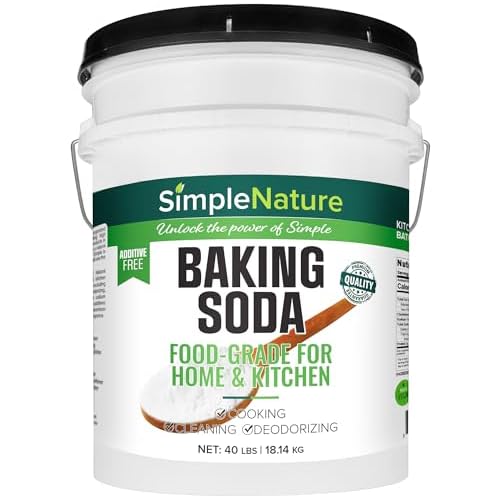
I recommend using a mixture of baking soda and water to tackle marks effectively. Combine three parts baking soda with one part water to create a paste. Gently rub this paste onto the affected area with a soft cloth in a circular motion. Avoid applying too much pressure to prevent damage.

If the stains persist, try using a few drops of olive oil mixed with vinegar. This solution can nourish the finish and lift the blemish. Apply it with a clean cloth and wipe it in the direction of the grain.
For tougher spots, consider using a commercial product designed for restoring finishes. These products can penetrate the surface and reduce the visibility of imperfections. Always test in an inconspicuous area to ensure compatibility.
After treatment, polish the area with a high-quality furniture polish to restore shine, protecting the surface from future issues. This step enhances the overall appearance, making it look brand new again.
Identify the Cause of White Rings on Wood
First, I assess the nature of the marks. Typically, these imperfections arise from moisture trapped between a surface finish and the underlying material. Beverages, such as water or coffee, left on a table can create these unsightly spots due to condensation.
Next, I consider the type of finish used on the surface. Oily finishes may be more resistant to damage, while lacquer or polyurethane might be more susceptible to marks from heat or liquid exposure.
I look for signs of heat exposure as well, which often occurs when hot items, like mugs or plates, are placed directly onto a surface without a protective barrier. These circumstances can lead to both discoloration and surface alterations.
Lastly, I check for any inconsistencies in the finish. Areas that have worn down or been compromised may be more prone to developing these marks. Understanding these causes helps in addressing the issue effectively.
Use Household Items for Quick Cleaning
I recommend using a mixture of baking soda and water to tackle stubborn marks. Combine equal parts of each to create a paste. Apply the mixture gently to the affected area with a soft cloth, rubbing in a circular motion. Wipe off the excess with a damp cloth and dry thoroughly.
An alternative is utilizing olive oil and vinegar. Mix three parts olive oil with one part vinegar. Dampen a cloth with the solution and buff the surface to restore its shine while addressing the blemish.
If you prefer a simpler approach, try employing a little toothpaste. Select a non-gel variety and use a small amount on a soft cloth. Rub it into the stain lightly, then clean off with a damp cloth.
<pCornstarch also serves as an effective remedy. Mix it with a bit of water to form a paste, then apply it on the affected area. Let it sit until it dries completely before wiping it away.
<pLastly, mayonnaise can work wonders too. Just apply a small amount on a cloth, gently massage it into the discoloration, and allow it to sit for about 10 minutes before wiping it off with a clean towel.
Apply Heat to Remove Water Marks
To eliminate moisture spots, I recommend using a hairdryer on the low setting. Keep it at least six inches away from the surface to prevent damage.
- Gently move the hairdryer back and forth over the affected area for about 30 seconds.
- Check the results frequently to avoid overheating the finish.
- Once the marks have faded, allow the surface to cool naturally before applying any protectant.
Another effective method involves a cotton cloth. Place it over the blemish, and apply an iron on the lowest heat setting without steam. Move the iron in a circular motion for a few seconds.
- Always ensure the iron is dry, as moisture can worsen the problem.
- Keep checking under the cloth; once the marks disappear, remove the heat immediately.
I’ve found that using these heat methods, combined with a suitable polish afterward, can restore the original clarity of the surface.
Try Food Staples for Gentle Treatment
Using common kitchen items can effectively tackle those pesky marks left on surfaces. Here are a few staples to consider for this type of restoration:
| Item | Method |
|---|---|
| Salt | Mix salt with a small amount of vegetable oil to create a paste. Apply gently with a cloth, then buff the area until it shines. |
| Baking Soda | Combine baking soda with water to form a paste. Rub this mixture on the affected area using a soft cloth, wiping off any excess afterwards. |
| Olive Oil | Apply olive oil directly to the surface with a clean cloth, massaging it in to moisturize and reduce visibility of the marks. |
| Mayonnaise | Spread a thin layer of mayonnaise over the spot. Let it sit for a few hours before wiping it clean to see good results. |
| Vinegar | Mix equal parts vinegar and olive oil, then apply to the surface. Wipe gently and polish for a restored appearance. |
These methods utilize items already found in your kitchen, providing a cost-effective means to restore surfaces without harsh chemicals. Always test in an inconspicuous area first to ensure compatibility with the finish.
Polish After Treatment
Applying polish post-cleaning restores luster and provides a protective layer. I opt for a high-quality furniture polish or wax. First, ensure the surface is thoroughly dry. Using a soft cloth, I apply the polish in a circular motion, covering the entire area evenly. This not only revitalizes the appearance but also helps prevent future damage.
Next, for a deeper sheen, I follow up with a buffing cloth. A microfiber cloth works best for achieving a smooth finish. I always buff in the direction of the grain to enhance the wood’s natural beauty. Regular maintenance with polish helps prolong the lifespan of my furniture.
Occasionally, I also mix olive oil and vinegar in equal parts for a natural alternative. This mixture not only conditions the surface but also leaves a pleasant scent. I apply it sparingly, ensuring an even coat, and then buff as usual.
For those who prefer a commercial solution, a spray polish can be effective. I spray lightly onto the cloth rather than directly on the surface to avoid oversaturation. A gentle touch is key in these instances, maintaining the integrity of the finish.
Finally, I clean any excess product with a fresh, dry cloth to avoid buildup. After treatment, my furniture not only looks refreshed but is also better protected against wear and tear.
Prevent Future White Rings on Wood Furniture
To protect surfaces from moisture, always use coasters under beverages. Opt for silicone or felt pads on the bottom of lamps and decorative items to create a barrier against heat and moisture. Regularly reapply a high-quality wax or oil finish to enhance the protective layer of the surface, ensuring it remains resistant to spills.
Avoid placing hot items directly on furniture by using trivets or heat-resistant mats. Cover surfaces during gatherings or when using them for activities that may lead to moisture or scratches by utilizing tablecloths or coverings that breathe.
Establish a routine for dusting and polishing with a suitable product. These practices not only maintain appearance but also add a layer of protection against future damage. Be mindful of humidity levels in your space; using a dehumidifier can help minimize moisture that can lead to damage.
Regular care and preventive measures will significantly reduce the likelihood of experiencing unsightly blemishes, keeping surfaces looking pristine and lasting longer.


