
 Caleb Turner

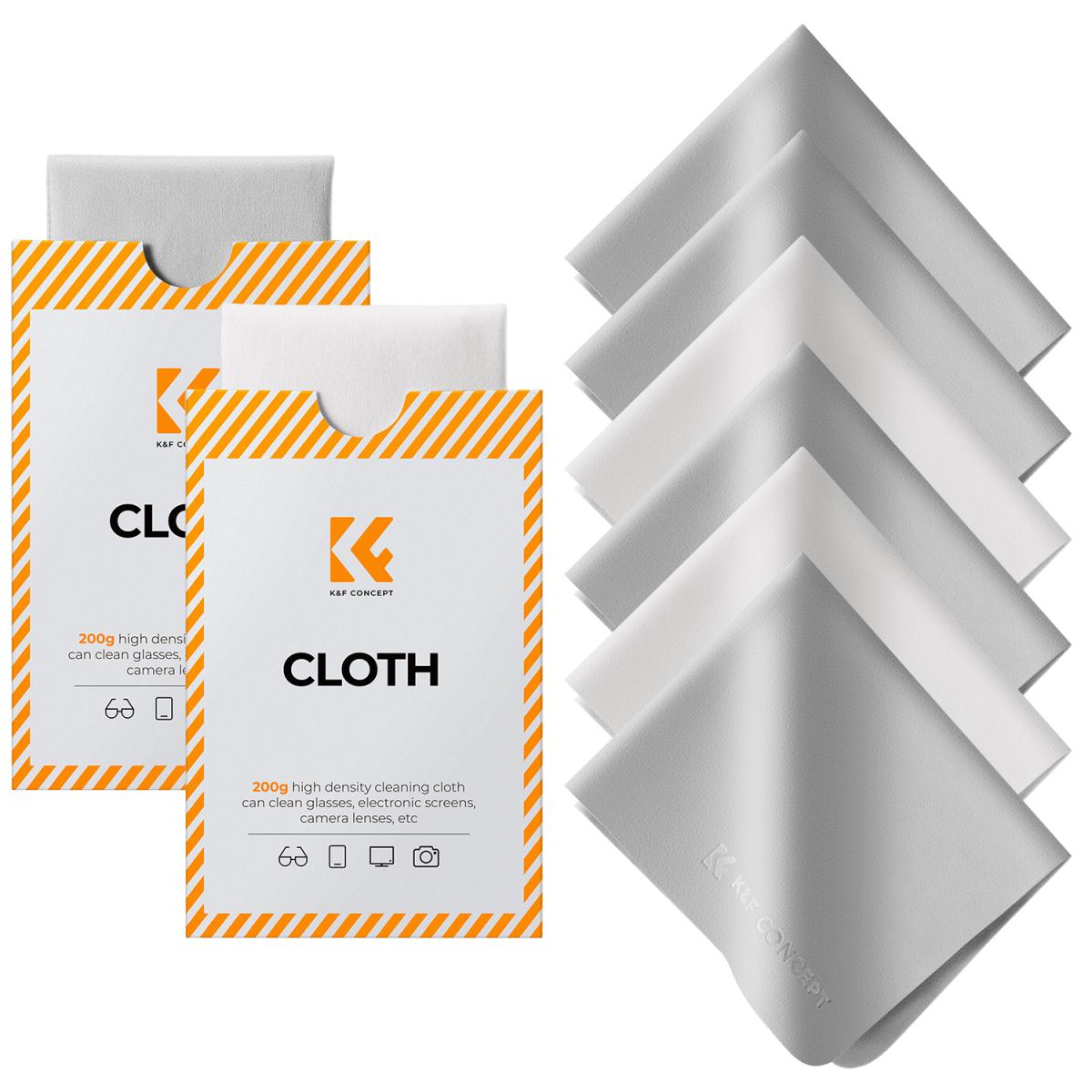

I recommend using a solution of isopropyl alcohol or rubbing alcohol, which effectively breaks down the sticky residue from the plant. Apply a small amount to a clean cloth and gently rub the affected areas of your surfaces.
For stubborn marks, a mixture of dish soap and warm water can help. Dip a soft sponge into the soapy solution, wring it out, and wipe down the affected surfaces to lift away the remnants. Always test the solution on a hidden area first to ensure it won’t damage the finish.
After removing the residue, it’s crucial to thoroughly rinse the surface with clean water to eliminate any soap or alcohol traces. Finally, dry with a soft, clean towel to prevent streaks and maintain the integrity of the material.


Removing Residue from Surfaces
First, grab a pair of disposable gloves to prevent skin contact with any lingering irritants. Next, prepare a solution of warm water and dish soap; a few drops should suffice. Using a clean, soft cloth, dip it into the soapy mix and wring out any excess liquid. Gently wipe the affected area, ensuring the cloth is not overly wet to avoid damaging the material.
For stubborn traces, incorporate isopropyl alcohol. Apply a small amount to a cloth and lightly rub the spot. Follow up by dabbing the area with a fresh cloth dampened with plain water to remove any alcohol residue. Ensure adequate ventilation during this process to mitigate inhalation risks.
After treatment, thoroughly dry the cleaned surface with a dry cloth to prevent water damage. If the material allows, consider applying a suitable furniture polish afterward to restore its original luster and provide a protective layer.
Identifying Residue on Surfaces
Begin by examining the affected area for any visible marks or smudges. The residue typically appears as a sticky or greasy film that may have a slight yellow tint. Look closely for opaque spots, especially on smooth surfaces where oils can remain more easily.
Use a white cloth or paper towel to gently wipe the area. If the cloth picks up a greasy substance, it indicates potential contamination. In some cases, the residue may leave a distinct odor, which can aid in identification.
Check for any possible transfers from clothes or skin, such as clothing fibers or fingerprints. This can help you understand the extent of the spread. It’s also useful to inspect nearby items, as contaminants can travel and settle on adjacent surfaces.
After making these observations, identify any common points of contact where the residue may have been introduced, such as furniture that was near the plant or touched after outdoor activities.
Utilize a UV light to detect hidden spots, as some oils may fluoresce under specific lighting conditions. This method allows for comprehensive identification, especially in low-light environments.
Mark the areas where you detect traces to ensure no spots are missed during treatment. Once identified, proceed with the appropriate removal procedures tailored to the surface material.
Choosing the Right Cleaning Products for Removal
For effective elimination of irritating substances, I recommend opting for specific types of agents. Look for products containing surfactants, which break down residues and make them easier to remove.
Recommended Categories of Products
- Natural Cleaners: Vinegar and baking soda are excellent non-toxic options. They can neutralize unwanted elements without harsh chemicals.
- Biodegradable Detergents: Choose plant-based detergents that are tough on residues but gentle on surfaces. These will help mitigate any potential damage to your belongings.
- Isopropyl Alcohol: This substance can break down residues quickly. However, test it on an inconspicuous area first to prevent discoloration.
What to Avoid
- Harsh solvents like bleach or ammonia, as they can damage the finish of surfaces.
- Products with strong fragrances, which may mask the irritation but won’t address the actual residues.
- Mixing different cleaning agents, which could create harmful fumes.
After selecting the right solution, properly observe the manufacturer’s instructions and implement safety measures, such as gloves and good ventilation. This guarantees a safer and more thorough clearance process. Always perform a small patch test to ensure compatibility with your item before applying the product extensively.
Preparing Your Furniture for Cleaning
Before tackling the task of removing residues, I ensure the work area is safe, efficient, and effective. First, I gather all necessary supplies in one place to minimize movement during the process.
Gather Essential Tools
- Rubber gloves to protect my hands.
- Soft cloths or sponges for applying solutions.
- Bucket filled with warm water.
- Plastic scrapers for tough spots.
Clear the Area
I remove any items surrounding the surfaces to be treated, creating ample space to work without distractions. Additionally, I cover nearby items with plastic sheets to prevent any unintended contamination from cleaning agents.
Lastly, I ventilate the room by opening windows or using fans, ensuring any fumes from cleaning solutions dissipate quickly and I can work safely. Following these steps prepares me adequately to address the undesirable substances effectively.
Step-by-Step Cleaning Process for Surfaces
Begin by gathering all necessary materials: rubber gloves, paper towels, a soft cloth, a bucket, and a mixture of water and a suitable detergent. Ensure the area is well-ventilated throughout this process.
Next, put on the rubber gloves to protect your skin from contact. Use a paper towel to gently blot the affected area, avoiding any vigorous rubbing that might spread the residue.
Prepare the cleaning solution by mixing a small amount of detergent with warm water in your bucket. Dampen a soft cloth with this mixture, ensuring it is not overly soaked, then proceed to wipe the surface. Start at one edge and work your way across in straight lines to prevent missing spots.
For particularly stubborn marks, let the solution sit for a few minutes before wiping it away. After cleaning, use a separate damp cloth with just water to rinse any remaining detergent from the surface.
Dry the area with a clean, dry cloth or paper towel to avoid any residue drying back onto the surface. Dispose of all used materials properly, being mindful of their potential contaminants.
Finally, inspect the surface to ensure that all traces have been eliminated. If any residue remains, repeat the cleaning steps as necessary until the area is clear.
| Step | Action |
|---|---|
| 1 | Gather materials |
| 2 | Wear gloves |
| 3 | Blot the area |
| 4 | Prepare cleaning solution |
| 5 | Wipe with damp cloth |
| 6 | Let solution sit if needed |
| 7 | Rinse with water |
| 8 | Dry the surface |
| 9 | Inspect and repeat if necessary |
Dealing with Upholstery: Safe Cleaning Methods
For tackling residue on fabric-covered surfaces, I recommend using a mixture of white vinegar and water. Combine equal parts in a spray bottle, spritz the area lightly, and then dab with a clean cloth. This method helps to break down the unwanted substances without damaging the upholstery.
Absorbent Powders
Another effective tactic involves using baking soda or cornstarch. Sprinkle the powder generously on the affected area and let it sit for several hours or overnight. The powder absorbs oils, making the subsequent removal easier. Vacuum thoroughly afterward to eliminate any residual powder.
Testing Solutions
Before applying any solution, it’s wise to test it on a hidden spot to ensure it doesn’t alter the color or texture. This precaution prevents unnecessary damage and maintains the integrity of the upholstery during the cleaning process.
Disposing of Contaminated Cleaning Materials Properly
After addressing the contamination issue, I ensure that all used materials are safely disposed of. Firstly, I place any disposable items, such as cloths, paper towels, and gloves, into a sealed plastic bag to prevent further spread of irritants. It’s crucial not to leave these materials exposed.
Next, I check local regulations regarding hazardous waste disposal. Many areas have specific guidelines on how to discard items that may contain harmful substances. Following these rules minimizes environmental impact and reduces potential risks.
For reusable cleaning tools like mops or sponges, I make sure to wash them thoroughly with hot water and an appropriate detergent. After washing, I isolate them for a while to ensure any residual toxins are neutralized.
If any materials remain significantly contaminated, I choose not to risk reuse and dispose of them in accordance with hazardous waste guidelines. Finally, I thoroughly wash my hands after handling any contaminated items, reinforcing my commitment to safety throughout the cleaning process.
Preventing Future Contamination from Poison Ivy
Regularly inspect the surroundings for signs of the plant. If detected, eliminate plants early to thwart potential spread.
Implement barriers around property, such as fences or dense vegetation, to limit access to areas where these plants thrive.
Clothing and Gear Management
After outdoor activities, remove and wash clothes and gear as soon as possible. Use hot water and detergent to reduce the risk of transferring oils later.
Keep specific clothing for gardening or hiking, and wash them separately from everyday wear.
Outdoor Equipment and Storage Solutions
Store gardening tools and outdoor equipment in a sealed container. Wipe down tools immediately after use to remove any potential residue.
Consider using tarps or covers for furniture placed outdoors, ensuring they provide a barrier against contamination.


