
 Caleb Turner

For stubborn residue on your treasured wooden pieces, I recommend using a mixture of vinegar and olive oil. This solution not only helps lift the grime but also nourishes the surface. Combine equal parts of both ingredients, dampen a soft cloth, and gently rub the affected areas. Always test in an inconspicuous spot first.
After applying the vinegar and oil blend, let it sit for a few minutes to penetrate the residue. Then, using a clean microfiber cloth, buff the surface in the direction of the grain. This will not only restore the shine but will enhance the natural beauty of the material.


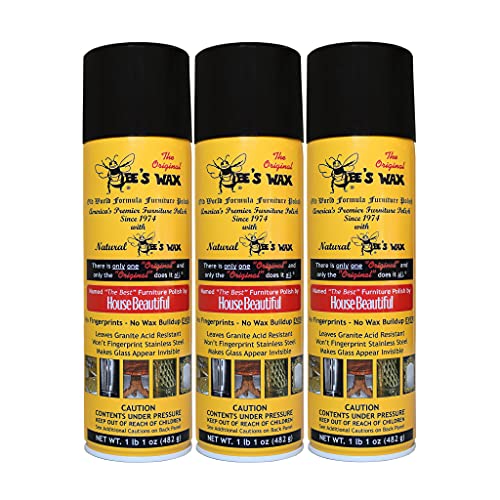
In cases where the residue is particularly stubborn, consider using a baking soda paste. Mix baking soda with a small amount of water to form a paste, then apply it gently with a cloth. Rinse with a damp cloth and dry thoroughly to avoid moisture damage.
Regular upkeep will prevent the buildup from returning. A soft, dry cloth for dusting and occasional treatment with a gentle oil will keep your pieces looking their best while maintaining their integrity.
Removing Excess Residue from Natural Surfaces
For stubborn residue on natural surfaces, I rely on a mixture of equal parts vinegar and olive oil. This combination effectively cuts through the grime without damaging the finish. I apply it using a soft cloth, gently buffing in circles until the buildup is lifted.
Alternative Methods
If the previous method doesn’t yield desired results, I consider using a solution of lemon juice and baking soda. This creates a paste that I apply directly to the affected area. After letting it sit for about 10 minutes, I gently rub with a cloth before wiping it away with a damp sponge.
| Ingredients | Usage |
|---|---|
| Vinegar and Olive Oil | Mix and apply with cloth, buff off residue. |
| Lemon Juice and Baking Soda | Make paste, let sit, gently rub, wipe clean. |
Finishing Touches
After eliminating the residue, I always finish with a coat of natural wax. This restores a protective layer while enhancing the surface’s natural beauty. I like to use a clean, dry cloth to apply the wax and ensure an even distribution.
Identifying Polish Build Up on Wood Surfaces
To recognize excess residue on treated surfaces, inspect for a dull or cloudy finish that lacks the original luster. A greasy or sticky texture often signals the presence of accumulated layers. Run your finger across the surface; if it feels tacky, it’s an indication of an unwanted film.
Visual and Tactile Signs
Observe changes in color. Darkening of lighter shades can indicate buildup, whereas a bright finish usually suggests cleanliness. Additionally, look for trapped dust or residue in crevices, which can contribute to an overall faded appearance.
Testing for Accumulation
Perform a simple water droplet test. Place a few drops of water on the surface; if it beads up rather than soaking in, there’s likely an excess coating that requires attention. This quick check helps to assess the extent of the issue without applying harsh treatments.
Choosing the Right Cleaning Solution for Wood
Select a product specifically formulated for natural surfaces. Avoid harsh chemicals that can damage the finish. Look for gentle formulations, such as those containing natural oils or plant-based ingredients, which can effectively remove residues without causing harm.
Types of Solutions
Opt for vinegar and water mixtures or baking soda paste for a safe, homemade option. Dilute one part vinegar with one part water, applying it with a soft cloth. For stubborn residue, mix baking soda with a small amount of water to form a paste, apply it gently, and rinse thoroughly.
Commercial Products
When choosing commercial cleaners, check for non-toxic and biodegradable labels. Brands that target antique or lacquered surfaces often have suitable options. Test any new cleaner on a small, inconspicuous area before full application to ensure compatibility with the surface finish.
Testing Cleaning Solutions on a Hidden Area
Before applying any solution to the entire surface, I always test the product in a less visible spot. This helps ensure that it won’t cause discoloration or damage.
Steps to Conduct the Test
- Choose a discreet area, such as the back or underside of a piece.
- Apply a small amount of the cleaner with a soft cloth.
- Allow it to sit for a few minutes, then gently wipe it away with a damp cloth.
- Observe any changes in color or texture that occur after it dries.
What to Look For
- Discoloration: Check for any lightening or darkening of the surface.
- Gloss: Notice if the shine alters, indicating potential damage.
- Texture: Feel for any roughness or change in smoothness.
If everything appears stable after 24 hours, it’s likely safe to use the solution on the main surfaces. I always trust my instincts and inspect each test area meticulously before proceeding.
Gathering Necessary Tools for the Cleaning Process
I recommend preparing essential items before tackling the task at hand. You will need soft, lint-free cloths, preferably microfiber, to avoid scratching surfaces. A gentle scraper or plastic putty knife can help remove stubborn residues without damaging the finish.
Additional Supplies
Have a small bucket handy for mixing solutions, along with measuring spoons to ensure accurate proportions. Choose a spray bottle for easy application of cleaning agents. Remember to stock up on items like rubbing alcohol or white vinegar, known for their effectiveness in lifting residues.
Protective Gear
Consider using gloves to keep your hands safe from harsh chemicals, and a face mask if dealing with strong fumes. Proper ventilation is important, so open windows or use fans to circulate air while working.
Step-by-Step Process for Removing Polish Build Up
Begin with a soft cloth or microfiber towel to wipe down the surface. This removes any loose dust or debris that could scratch during the process. Choose a gentle solution specifically designed for delicate surfaces; options include a mixture of equal parts vinegar and water or a mild soap solution.
Application Technique
Moisten the cloth with your chosen mixture, ensuring it is damp but not soaking. Gently rub the affected areas in circular motions, focusing on spots where the residue is thickest. Rinse your cloth frequently to avoid spreading the grime back onto the surface.
Final Steps
After the initial treatment, dry the surface with another clean, dry cloth to remove any moisture. For a finishing touch, consider using a beeswax or natural beeswax-based product to replenish the finish and add a layer of protection. Apply a small amount and buff lightly to enhance shine.
Protecting Wood Finish After Cleaning
To ensure longevity and preserve the appearance of surfaces, I apply a quality protective coating immediately after maintenance. This helps in sealing the newly exposed layers and adds an extra barrier against future dirt accumulation and scratches.
Recommended Products for Protection
- Natural wax: A beeswax or carnauba blend provides a beautiful sheen and fortified protection.
- Polyurethane finish: Offers durable, long-lasting coverage ideal for high-traffic areas.
- Oil-based sealants: Penetrate deeply for enhanced moisture resistance.
Application Tips
- Ensure the surface is completely dry before applying any finish.
- Use a soft cloth to apply the product evenly, following the grain direction.
- Allow sufficient drying time between coats; typically, two to three coats yield the best results.
Regular maintenance, including reapplying the protective layer every six months to a year, helps maintain the integrity and charm of the surface.
Maintaining Wooden Surfaces to Prevent Future Accumulation
Regular dusting with a soft microfiber cloth prevents dirt and debris from accumulating and damaging the finish. I use a gentle touch, ensuring that I avoid causing scratches.
Applying a high-quality wax or oil designed for natural finishes every few months can create a barrier against environmental factors. I choose products that are free of silicones or harmful chemicals to ensure longevity.
Controlling humidity levels in the environment is crucial. I use a dehumidifier or humidifier to keep the climate stable, ideally between 40-60% humidity, which helps to maintain the integrity of the surface.
I also make a habit of placing coasters under drinks and mats under hot items to prevent moisture damage and heat marks. This simple measure protects against moisture seepage and heat exposure.
Lastly, I periodically inspect the surfaces for signs of wear or damage. Promptly addressing any issues prevents further deterioration and keeps the surfaces looking pristine.
FAQ:
What causes polish buildup on wood furniture?
Polish buildup on wood furniture is primarily caused by repetitive applications of furniture polish or wax that are not properly removed. These products often contain oils and waxes that can accumulate over time, particularly if furniture is polished without adequate cleaning in between applications. Dust, dirt, and residue can also contribute to this buildup, making the furniture look dull and dirty.
How can I tell if my wood furniture has polish buildup?
To identify polish buildup on wood furniture, look for a dull or hazy appearance on the surface, as well as a sticky texture when you touch it. You might also notice dust and debris clinging to the furniture more than usual. If your furniture is losing its natural shine, this may indicate an excess of polish that needs to be cleaned off.
What methods can I use to clean polish buildup off wood furniture?
There are several methods to clean polish buildup from wood furniture. One effective way is to use a mixture of vinegar and water in a spray bottle. Lightly mist the solution on the affected area and wipe it with a soft cloth, working with the wood grain. Another option is to use a commercial cleaner specifically designed for wood furniture. Always follow the manufacturer’s instructions and do a spot test in an inconspicuous area to ensure the finish does not get damaged.
Is it safe to use water to remove polish from wood furniture?
Using water to remove polish from wood furniture can be safe if done cautiously. It is vital to use a damp cloth rather than soaking the wood, as excess moisture can damage the finish or warp the wood. A vinegar-water solution is a popular choice since vinegar helps cut through the wax buildup while being gentle on the wood. As always, testing on a small, hidden area first is recommended to avoid any unwanted reactions.
How can I prevent polish buildup on my wood furniture in the future?
To prevent polish buildup on wood furniture, you should clean your furniture regularly with a microfiber cloth to remove dust and residue. Avoid excessive use of polish; instead, limit it to every few months. When you do apply polish, ensure that you follow up with a thorough cleaning to prevent residue. Choosing a high-quality product can also help minimize buildup, as some formulas are designed to leave less residue than others.


