
 Caleb Turner

To revitalize your garden or patio pieces, begin with a mixture of warm water and mild soap. Use a soft-bristle brush, which helps protect the surface while effectively lifting dirt and grime. Rinse thoroughly with a hose to ensure no soap residue remains.
For stubborn stains or mildew, a combination of white vinegar and baking soda can work wonders. Apply this paste directly to the affected areas and let it sit for about 15 minutes before scrubbing gently. Rinse off with water afterwards.
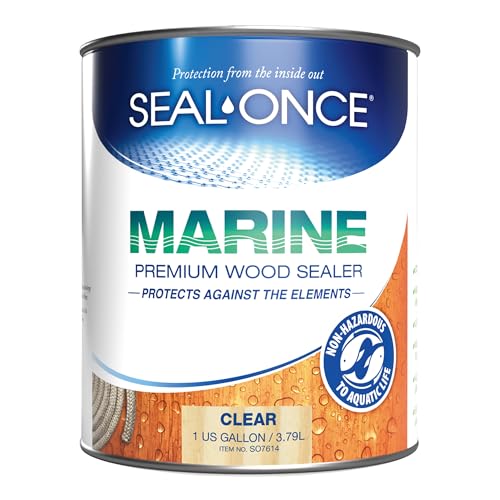


Once cleaned, allow the items to dry completely in the sunlight. This drying period is crucial, as it prevents moisture retention that can lead to further damage. After drying, consider applying a suitable wood conditioner or sealant to provide extra protection and enhance the natural beauty of the grain.
Guidelines for Maintaining Your Outdoor Timber Creations
I recommend a mixture of mild soap and warm water to treat the surface of your garden seating or tables. A soft-bristle brush facilitates the removal of dirt without causing scratches. Dip the brush into the soapy solution and gently scrub the surfaces, working in the direction of the grain.
For stubborn stains or mold accumulation, a blend of vinegar and water can be advantageous. Apply it directly to the affected areas and allow it to sit for about 10 minutes before rinsing thoroughly with a garden hose, ensuring all solution residues are washed away.
After washing, use a clean, dry cloth to wipe down surfaces and expedite the drying process. This reduces the risk of water damage or mildew forming on the wood.
Regular inspection for signs of wear or damage is vital. Reapply a protective sealant regularly according to the manufacturer’s instructions, as this helps in preserving the integrity and appearance of your timber pieces.
Using a cover during harsh weather conditions prolongs the life of your outdoor items. Protecting them from direct exposure to sunlight and precipitation can greatly minimize fading and cracking.
Assessing the Condition of Your Wooden Pieces
Begin with a thorough inspection. Look for signs of wear, such as splintering, cracks, or discoloration. Pay attention to joints and connections, ensuring they remain secure. Check for any mold or mildew, particularly in shaded areas.
Surface Evaluation
Run your hand across the surfaces. If you feel rough or uneven patches, it may indicate deterioration. Stains from weather exposure can signal a need for restoration. Examine the finish; it should be intact and not peeling off. If you notice fading or a dull appearance, it might be time for refinishing.
Structural Integrity
Assess the overall sturdiness. Gently shake or apply pressure to identify any wobbling or instability. If any pieces are loose, they may require tightening or repairs. Look underneath for signs of insect damage or decay.
After evaluating these aspects, you’ll have a clear understanding of what actions are necessary to maintain or restore your outdoor seating and tables, ensuring their longevity.
Choosing the Right Cleaning Supplies for Wood
I recommend using a soft-bristle brush or microfiber cloth to avoid scratching surfaces. Opt for a biodegradable soap; this is gentle yet effective for removing grime without harmful effects. Vinegar mixed with water serves as a natural alternative, particularly for tough stains. If mold or mildew is present, a mixture of water and a few drops of bleach can help but must be tested first on an inconspicuous area. Ensure to wear gloves for protection against harsh chemicals.
When selecting a specific product, look for pH-balanced cleaners tailored for natural materials. Avoid any abrasive substances, as they can cause irreversible damage. Consider purchasing a specialized wood conditioner post-cleaning to maintain the integrity of your pieces and enhance their longevity. Lastly, keep a good quality sealant handy to protect against future weathering.
Preparing the Area for Cleaning
I recommend clearing the surrounding environment before beginning the maintenance task. Remove any items adjacent to the pieces, such as cushions, planters, or accessories that could impede movement or cause damage.
- Choose a day with minimal wind and no rain, ensuring a safe and manageable atmosphere.
- Lay down a drop cloth or tarp under the items to catch drips and debris, making cleanup easier.
- Inspect the ground for hazards, such as sharp stones or debris, to avoid accidents while working.
- Create a designated area for tools and cleaning agents to keep everything organized.
After removing obstacles, make sure nearby plants and surfaces are protected. Cover shrubs or flower beds with plastic sheeting to shield from potential damage caused by cleaners. Additionally, I recommend turning off any nearby sprinkler systems to avoid unintended wetting during the process.
Finally, if working with large items, consider removing them to a more suitable outdoor surface for ease of access. This reduces the risk of damaging surrounding areas and ensures a thorough approach to maintenance.
Removing Dirt and Debris from Wood Surfaces
Begin by utilizing a soft-bristle brush or a microfiber cloth to remove loose dust, leaves, and other debris. This initial step is crucial for preventing scratches on the surface during further cleaning.
Next, consider the following methods:
- Dry Method: For light dirt, gently sweep or wipe the surface. A handheld vacuum with a brush attachment can also help effectively gather loose particles.
- Damp Cloth Method: If there’s stubborn dirt, dampen a microfiber cloth with water and wring it out. Lightly wipe down the surfaces, ensuring excess water does not accumulate, which may damage the finish.
- Pressure Washing (if suitable): For heavily soiled areas, using a pressure washer on a low setting may be effective. Maintain a distance of at least 2 feet to avoid damaging the wood.
For outdoor settings, pay special attention to crevices and joints where dirt can accumulate. Use a toothpick or a small, soft-bristle brush to dislodge debris in these areas.
After initial cleaning, inspect the surface for any remaining spots or stains. For those, a mixture of mild soap and water can be applied with a sponge, followed by a thorough rinse with a damp cloth to remove any soap residue.
Finally, ensure the furniture dries completely before applying any treatments or leaving it exposed to the elements again. This prevents moisture from causing damage and extends its lifespan.
Applying a Suitable Cleaning Solution
I prefer using a mixture of warm water and mild detergent as my go-to cleaning solution for wooden items. Mix approximately a quarter cup of mild dish soap with a gallon of water. This balance effectively lifts grime without damaging the surface.
Alternative Natural Solutions
For a more eco-friendly approach, I sometimes opt for vinegar and water. Combining one part white vinegar with three parts water creates a gentle yet effective cleaner. This mixture helps to combat mildew and can enhance the wood’s appearance without harsh chemicals.
Commercial Cleaners
If I encounter stubborn stains or heavily soiled areas, I might resort to commercial products specifically designed for wood care. Before applying, I always check that the cleaner is suitable for the type of finish on my items. I read the label for application instructions and safety precautions. Testing a small, inconspicuous area helps ensure compatibility with the wood’s finish.
Techniques for Scrubbing and Rinsing
I recommend using a soft-bristle brush for scrubbing. It prevents damage while effectively removing grime and dirt from the surface. A good practice is to work in small sections, applying moderate pressure in circular motions. This technique helps to lift stubborn debris without scratching.
Ensure the brush is clean before use to avoid transferring old dirt onto the surface. If the furniture has intricate designs, a toothbrush or a small scrub brush can reach those tight areas efficiently. For heavily soiled spots, consider using a sponge to soak the area first, allowing the cleaning solution to penetrate for a few minutes.
After scrubbing, rinsing is key. Use a low-pressure garden hose to wash off the residue of the cleaning solution. High pressure can cause water to enter the wood grain, potentially leading to damage. Aim for a gentle but thorough rinse, ensuring no soap remains to prevent streaking or residue buildup.
| Technique | Details |
|---|---|
| Soft-Bristle Brush | Use for scrubbing without scratching surfaces. |
| Circular Motion | Work in small sections to lift dirt effectively. |
| Low-Pressure Rinse | Ensure a thorough rinse without damaging the wood. |
After rinsing, allow the pieces to air dry completely. This helps prevent moisture from being trapped within the grain, which could lead to mold or mildew growth. An important tip is to ensure that items are positioned in a way that allows maximum airflow as they dry.
Drying and Protecting Wooden Items Post-Cleaning
Immediately after washing, ensure the surfaces dry thoroughly. Utilize absorbent towels to remove excess moisture, targeting joints and crevices where water tends to pool. If the climate permits, position the items in a shaded area with good airflow to expedite the drying process. Avoid direct sun exposure, as this can cause warping or fading.
Applying Protective Treatments
Once the surfaces are dry, apply a suitable protective finish. A high-quality outdoor sealant or wood stain enhances durability against weather elements. Utilize a brush or cloth for even application, ensuring complete coverage. For maximum effect, allow the first coat to dry fully before adding a second layer.
Regular Maintenance
To maintain the integrity of your outdoor pieces, inspect them regularly for signs of wear or damage. Light sanding and an occasional reapplication of the protective finish will help preserve their appearance and longevity. Store items indoors during extreme weather conditions to prolong their life.
Maintaining Cleanliness Through Regular Upkeep
I recommend establishing a routine for maintenance that includes inspecting every piece for signs of wear or damage before moving on to cleaning. Regular dusting using a soft cloth or a microfiber duster prevents the accumulation of debris and maintains the surface finish. Scheduling a monthly check allows for early detection of issues such as mold, mildew, or fading.
Establishing a Routine
Create a checklist that details the upkeep tasks you want to perform, including removal of dirt, treatment for pests, and touch-ups for scratches. It’s beneficial to coordinate these tasks so that they don’t overlap with seasonal weather extremes that can affect preservation efforts. I mark my calendar monthly, and it has greatly streamlined the process.
Utilizing Protective Measures
Invest in a high-quality protective sealant suited for the material type. Applying a fresh coat annually increases durability and helps in resisting moisture and UV damage. Use furniture covers during inclement weather to minimize exposure. They are especially handy in harsher climates. These precautions have allowed me to enjoy my outdoor pieces for many years without significant deterioration.


