Caleb Turner
Mix equal parts of acetic solution and water. This combination acts as a natural remedy to restore neglected surfaces. Apply the solution using a soft cloth, gently buffing the surface in circular motions to avoid scratches. For stubborn grime, allow the mixture to sit for a few minutes before wiping.
Always test the mixture in an inconspicuous area first. This step ensures that the finish remains intact and prevents any unwanted reactions. Continue with a clean, damp cloth to wipe away any residual solution, leaving a refreshing sheen behind.
After the initial treatment, consider moisturizing the surface with a wood conditioner or beeswax. This practice nourishes the fibers and protects against future wear, preserving the beauty of the piece for years to come. Regular maintenance using this simple acetic solution can keep your antique timber looking its best.
Cleaning Techniques for Antique Timber Items using Acetic Acid
I recommend mixing equal parts of acetic acid and water in a spray bottle for this process. Ensure to shake the bottle gently to achieve an even mixture.
Spray the solution lightly onto a microfiber cloth rather than directly onto the surface. This prevents excessive moisture from seeping into any cracks or joints. Wipe the item in the direction of the grain to avoid scratches.


For persistent grime, dampen the cloth more and apply a little pressure while wiping. The natural acidity of the liquid helps lift dirt without harsh chemicals.
After treating the area, use a clean, dry cloth to buff the surface. This step aids in restoring the sheen and removing any remaining residues.
For deeper stains, consider combining baking soda with the acetic acid solution. The gentle abrasive quality of the baking soda can help in lifting tougher marks without damaging the finish.
Always test any solution on a small, inconspicuous area first to ensure compatibility with the finish. This simple test prevents any unexpected reactions that could occur.
Regular maintenance using this method can prolong the life of your cherished pieces. Aim for consistency, treating them every few months to keep them looking their best.
Gathering Necessary Supplies
Begin by assembling the following items for the task:
- White vinegar: Look for a standard bottle; it’s readily available at grocery stores.
- Olive oil or mineral oil: A small amount will enhance the result after your primary cleaning process.
- Water: Tap water works fine; use it to dilute the vinegar.
- Soft cloths: Ensure you have microfiber or cotton cloths; avoid abrasive materials.
- Spray bottle: Utilize this to mix and apply your vinegar solution effectively.
- Bowl or container: Necessary for mixing vinegar and water.
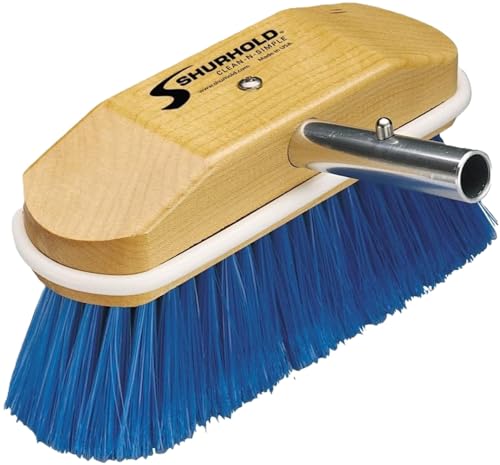
- Sponge or soft brush: Ideal for scrubbing tough spots without causing damage.
- Soft bristle toothbrush: Effective for detailed work on intricate areas.
- Gloves: Protect your hands, especially if they are sensitive to solutions.
Mixing Proportions
Combine equal parts of vinegar and water in the spray bottle. Adjust as needed based on the surface’s level of grime. For tougher stains, consider increasing the vinegar ratio.
Preparation Steps
Ensure the area is free of dust and debris before starting. Having all supplies at hand streamlines the process, making it more efficient.
Preparing the Furniture for Cleaning
Begin by removing any items and decorations from the surface. This step ensures unobstructed access and reduces the risk of damage while treating the structure. Check for any loose or missing parts, such as hinges or knobs, and secure them before proceeding.
Dust the piece thoroughly using a soft cloth or a duster to eliminate surface dust and debris. This is essential to prevent scratches during the treatment process. For intricate details or hard-to-reach areas, a small brush can be helpful.
If there are any stubborn residues, take a damp cloth to wipe them away. Allow the piece to dry completely before applying any cleaning solutions. This prevents the risk of moisture seeping into the grain.
Avoid harsh chemicals at this stage. Assess the condition of the surface, noting any signs of damage, such as deep scratches or discoloration. This examination will help tailor the process to enhance the appearance effectively.
| Step | Action |
|---|---|
| 1 | Remove items and decorations |
| 2 | Dust thoroughly with a soft cloth |
| 3 | Wipe away stubborn residues with a damp cloth |
| 4 | Assess surface condition for damage |
Making the Vinegar Cleaning Solution
For an effective mixture, combine equal parts of distilled acetic liquid and water. This ratio balances power and gentleness, making it suitable for treating delicate surfaces while eliminating dust and grime. Use a spray bottle for easy application and storage.
Adding Optional Ingredients
If desired, I enhance the solution by incorporating a few drops of natural oil, such as lemon or olive. This addition not only provides a pleasant scent but can also contribute moisturizing properties, supporting the integrity of the surface treated.
Stirring and Storing
Ensure the solution is well mixed before each use. I prefer to label the container properly and store it in a cool, dark place to preserve its effectiveness. This careful preparation makes each cleaning session straightforward and efficient.
Testing the Solution on a Small Area
I recommend applying the vinegar solution to a discreet section of the surface before proceeding with the entire piece. Choose an inconspicuous spot, preferably where it won’t be noticed if something goes wrong. This initial test helps in examining the reaction of the finish and the underlying material.
Using a clean, soft cloth, apply a small amount of the mixture to the chosen area. Gently rub it in to see how the material responds. Observe for any adverse effects such as discoloration, lifting of the finish, or a change in texture. Allow the solution to sit for a few minutes, then wipe it off with a damp cloth.
Evaluate Results
After testing, assess the treated area. If the surface appears unchanged and retains its integrity, the solution is likely safe for broader application. In case of any negative reaction, alter the mixture’s proportions or consider alternative cleaning methods.
Proceed with Caution
Once confident in the test results, continue with the cleaning process. Regular checks during treatment will ensure the solution remains effective without damaging the overall appearance. Keep the area well-ventilated to minimize any strong odors that may arise.
Applying the Vinegar Solution to the Furniture
Utilize a soft, lint-free cloth or sponge to apply the prepared mixture to the surface. It’s important to avoid abrasive materials that might scratch the finish. Dampen the cloth, ensuring it’s not dripping wet, and gently wipe down the area, working in small sections. This method allows controlled application and prevents excess moisture from seeping into crevices.
Focus on areas with noticeable grime or stains, applying slightly more pressure if necessary. Keep a second dry cloth handy to buff the surface after application, restoring shine and removing any residue from the solution. For intricate details or carved sections, a soft-bristled brush can effectively reach those spots without causing damage.
After treating each section, allow it to air dry completely. This may take some time, but it’s essential for letting the natural characteristics of the material breathe and recover from accumulated dirt. Check the results after drying; if some areas still appear dull, a second application can be beneficial.
Removing Stains and Grime with a Scrub
I found the best approach involves using a soft-bristled brush or a microfiber cloth to apply gentle pressure on the stained areas. Start by dipping the scrub tool into the solution, ensuring it’s damp but not dripping. This helps prevent excessive moisture, which can warp surfaces.
For stubborn spots, I recommend a circular motion. This technique dislodges dirt effectively without damaging the finish. If I encounter a particularly tough stain, I let the vinegar mixture sit for a minute before scrubbing, allowing it to penetrate the grime.
Rinse the cloth or brush frequently to avoid redistributing grime. After each scrub, I periodically check the progress to ensure not missing any areas.
For final touches, I wipe the surface with a clean, dry cloth, removing any remaining residue. This leaves a polished appearance while ensuring the integrity of the material is preserved. Regular maintenance this way makes future cleaning easier.
Rinsing and Drying the Furniture Properly
After applying the cleaning solution and scrubbing the surface, thorough rinsing is critical. I utilize a soft, damp cloth soaked in clean water to gently wipe the area. It’s essential to avoid soaking the product; a lightly moistened cloth suffices. I make sure to remove any residue from the cleaning agent to prevent potential damage.
Steps to Properly Rinse
- Prepare a clean bucket of water.
- Soak a soft cloth in the water, then wring it out to eliminate excess moisture.
- Wipe down the surface systematically, starting from one corner and working towards the exit point. This approach prevents going over previously cleaned areas.
For intricate details or crevices, I use a small, soft-bristled brush. It allows me to get into tight spots effectively without causing scratches.
Drying Techniques
Once rinsing is complete, drying is my next priority. I prefer using a clean, dry cloth to gently dab the surfaces. I make sure to eliminate any remaining moisture, as stagnant water can lead to swellings or warping.
- Use a microfiber cloth for its high absorbency.
- Avoid direct sunlight or heat sources; instead, allow the piece to dry naturally in a well-ventilated area.
- If I notice any dampness lingering, I go over the area again with a dry cloth until fully dry.
This meticulous process ensures that the piece not only looks good but is also protected for the long term. Taking this time at the end enhances the overall care I’ve given throughout the cleaning procedure.
Applying a Finish or Polish After Cleaning
After the cleansing process, I recommend applying a suitable finish or polish to restore the natural beauty and protect the surface. Choose a product that complements the existing sheen–whether glossy, satin, or matte. Prepare the area by ensuring it is well-ventilated.
Using a soft, lint-free cloth, I apply the polish in small, circular motions. Starting from one end, I work my way across the surface, making sure to cover all areas evenly. This technique helps to enhance the wood grain and ensures a uniform appearance.
I allow the polish to sit for the recommended time on the label, which often ranges from a few minutes to half an hour. Once the time has passed, I buff the surface using another clean cloth. This not only removes any excess product but also adds a beautiful luster. For deeper hydration, I sometimes layer a second coat after the first has dried. Just be cautious not to over-apply, as this can lead to a sticky residue.
When considering a finish, I often gravitate towards natural oils or beeswax, as they penetrate the wood and provide nourishment while offering a level of protection. I find that these options are less damaging than synthetic finishes and can be reapplied periodically to maintain the wood’s integrity.
Finally, I ensure that the area remains free from moisture and excess sunlight for the best preservation of the newly treated surface. Regular, light maintenance allows the aesthetics and structural quality to endure over time.
FAQ:
What is the best way to clean old wood furniture with vinegar?
The best way to clean old wood furniture with vinegar involves mixing equal parts of vinegar and water. Use a soft cloth to dampen it with the mixture and gently wipe down the furniture. Avoid soaking the wood, as excess moisture can damage it. Once cleaned, dry the surface with a clean, dry cloth to prevent any water damage.
Can vinegar damage wood furniture?
Vinegar can be harsh on some wood finishes, especially if used undiluted. It’s always a good idea to test a small, hidden area of the furniture first before applying it widely. If the finish appears to dull or react negatively, consider using a milder cleaning solution specifically designed for wood.
How often should I clean my old wood furniture with vinegar?
Cleaning your old wood furniture with vinegar should be done as needed, typically once every few months or when you notice dust and grime build-up. It’s important to avoid over-cleaning, as this can wear down the finish over time. Regular dusting and using coasters can help maintain the furniture between cleanings.
What else can I add to my vinegar solution for better results?
For better results, you can add a few drops of dish soap to your vinegar and water solution. This can help break down tougher grime without damaging the wood. Additionally, using olive oil in a separate mix can nourish the wood and enhance its shine after cleaning.
Is there a specific type of vinegar that works best for cleaning wood furniture?
White vinegar is typically the best choice for cleaning wood furniture due to its mild acidity and lack of coloring agents. Apple cider vinegar can also work, but it may leave a slight scent. Always ensure that the vinegar is well-diluted with water to protect the wood’s finish during cleaning.
What is the best way to clean old wood furniture using vinegar?
The best approach to clean old wood furniture with vinegar involves mixing equal parts of white vinegar and water in a spray bottle. Lightly spray the solution onto a soft cloth rather than directly onto the furniture to avoid over-saturation. Gently wipe the wood surfaces in the direction of the grain to remove dust and dirt. For deeper stains or buildup, let the solution sit for a minute before wiping it away with a clean, dry cloth. This method is effective because vinegar helps to break down grime without damaging the wood finish.
Can I use vinegar on all types of old wood furniture?
While vinegar is a great natural cleaner for many types of wood furniture, it is important to be cautious with certain finishes. Vinegar can be too harsh for furniture with a delicate finish, such as lacquer or shellac, as it may cause dullness or damage. It’s advisable to test the vinegar solution on a hidden area first to ensure compatibility. If you notice any adverse effects, consider using a gentler cleaner specifically designed for wood. For antique and valuable pieces, consulting a professional might be wise before attempting any cleaning method.