
 Caleb Turner
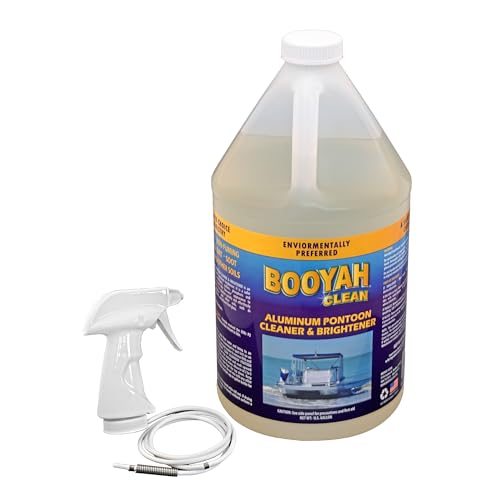
I recommend mixing equal parts of white vinegar and water in a spray bottle as your first step. This natural solution effectively battles organic growth. Spray the affected areas and let it sit for at least 15 minutes to penetrate the surface.
Next, take a soft-bristled brush and gently scrub the treated spots. Avoid harsh materials that could damage the surface. Rinse with clean water and dry completely with a clean cloth to prevent moisture retention.


If stubborn stains persist, consider using a mild detergent or a specialized cleaner designed for metal surfaces. Always follow the manufacturer’s instructions and test any new product on a small, inconspicuous area first. Regular maintenance helps keep your designs looking fresh and prevents future growth.
Steps to Remove Mold from Metal Seating
I use a combination of white vinegar and water to tackle the unwanted growth. I fill a spray bottle with equal parts of both liquids, ensuring that I have enough solution to cover all affected areas. It’s crucial to apply this mixture generously, soaking the spots where the dark patches appear. After spraying, I let it sit for at least 30 minutes, allowing the solution to break down the spores.
Scrubbing the Surface
For the scrubbing phase, I prefer a stiff-bristled brush. This helps in reaching into the crevices and removing any stubborn spots. It’s essential to scrub gently but thoroughly, working in a circular motion. Rinsing the brush frequently under warm water prevents spreading the debris back onto the surface.
Final Touches
After scrubbing, I rinse the area with clean water to wash away any remaining residue. Using a soft cloth, I dry the metal thoroughly to prevent moisture build-up. Finally, I often apply a wax or metal protectant for an added layer of defense against any future growth. This simple routine keeps my seating looking pristine and well-maintained.
Identifying Mildew on Wrought Iron
I often recognize the presence of fungus on metal pieces through specific signs. Look for dark, blotchy spots that might appear greenish or blackish. These patches can spread and give a musty odor. Inspect areas that experience moisture or poor ventilation, as these spots are generally more prone to growth. A closer examination may reveal a fuzzy or powdery texture, along with potential discoloration affecting the underlying surface.
Common Indicators
| Indicator | Description |
|---|---|
| Color Changes | Spots ranging from greenish to blackish hues. |
| Texture | Fuzzy or powdery feel when touched. |
| Odor | A noticeable musty or damp smell. |
| Location | Frequently found in humid or shaded areas. |
Additional Tips
Check crevices and joints where moisture may accumulate. If you suspect growth, a simple water test can help; damp areas will often attract unwanted spores. Regular inspections can prevent extensive damage and maintain the aesthetic value of your metal items.
Choosing the Right Cleaning Solution
For tackling fungus on metal structures, I prefer a blend of water and white vinegar, using a 1:1 ratio. This natural option effectively eradicates the unwanted growth without damaging the surface. For stubborn occurrences, a mixture of mild dish soap and warm water can also work well; I recommend rinsing the area thoroughly afterward to prevent any residue.
In cases where I need a stronger approach, a solution containing one cup of bleach to a gallon of water is effective, but I ensure adequate ventilation and protective gear during application. I avoid ammonia-based products, as they may cause corrosion on metal surfaces.
Testing any solution on a small, inconspicuous area is always my first step to avoid unwanted reactions. I carefully monitor the surface after applying the cleaner, looking for any adverse effects. After treatment, drying the surface completely is crucial to prevent future developments.
Gathering Necessary Cleaning Tools
Collect the following items before proceeding with the task:
- Spray bottle: A container for mixing and applying the cleaning solution.
- Soft brush: Use a non-abrasive brush to scrub surfaces without damaging them.
- Bucket: Necessary for mixing larger quantities of cleaning agents or rinsing tools.
- Protective gloves: Safeguard your hands while handling cleaning substances.
- Old rags or towels: Help wipe down surfaces effectively after treatment.
- Water hose or gentle spray nozzle: Useful for rinsing away residues.
- White vinegar: A natural agent recommended for combating growths.
- Baking soda: An effective component to add to the cleaning solution for tougher areas.
Ensure every tool is ready for use to facilitate a smooth cleaning process.
Applying the Cleaning Solution Correctly
I apply the cleaning mixture using a spray bottle for even distribution. Standing approximately 6-8 inches away from the surface, I ensure the solution coats the affected areas thoroughly. A gentle side-to-side motion helps avoid oversaturation in any one spot, promoting a uniform application.
For stubborn patches, I use a soft-bristled brush to gently agitate the solution into the texture of the material. This approach allows the mixture to penetrate deeper, breaking down the stubborn residues. It’s crucial to work in small sections to maintain control and effectiveness.
After applying, I let the solution sit for about 10-15 minutes. This dwell time enables the active ingredients to work effectively. To prevent any potential damage, I closely monitor the surface during this period.
Once the time is up, I rinse the area with water using a gentle spray setting to avoid dislodging the finish. I ensure no residue remains by checking visually and with a damp cloth. After rinsing, I dry the surface with an absorbent cloth to prevent water spots or further buildup.
Scrubbing Techniques for Wrought Iron
To tackle stubborn spots on metal outdoor seating or decor, I recommend using a soft-bristle brush. This type of tool effectively removes buildup without risking damage to the surface. Choose one with a comfortable handle to better direct your scrubbing efforts.
Effective Scrubbing Procedures
Follow these steps for optimal results:
- Moisten the area slightly before scrubbing to loosen debris.
- Apply the recommended cleaning solution generously to the targeted spots.
- Gently scrub in circular motions using the brush; avoid harsh scrubbing that can scratch.
- Rinse thoroughly with clean water to remove residue.
Tips for Maintaining Results
To extend the lifespan of your metal items:
- Regularly inspect for any signs of deterioration.
- Immediately address spots before they become a larger concern.
- Consider applying a protective coat after cleaning to prevent future accumulation.
Rinsing and Drying the Furniture
I recommend using a garden hose or a bucket of clean water to rinse away any remaining cleaning solutions from the surface. Focus on thoroughly washing all nooks and crannies where the residue could accumulate, ensuring that no remnants linger. If using a hose, a nozzle with a gentle setting is ideal to avoid damaging any delicate sections.
After rinsing, it’s crucial to dry the pieces immediately. Using a soft, absorbent cloth or towel, wipe down every part to eliminate moisture. Pay special attention to joints and crevices, as these areas are prone to trapping water. Ensure that all parts are fully dry to prevent future growth.
If possible, place the items in a sunny location to aid natural drying. Sunlight can help evaporate any leftover moisture quickly and effectively. Alternatively, if the weather does not permit, use fans to circulate air around the items for thorough drying.
Complete this process by inspecting the metal for any trapped water. A well-dried surface is essential before applying any protective coating, ensuring that it adheres properly and enhances longevity.
Preventing Future Fungi Formation
To keep unwanted growth at bay, ensure that your outdoor seating remains in a well-ventilated area. Avoid placing these pieces under trees or in shaded spots where moisture accumulates. Regularly sweep away debris like leaves and dirt, as they can retain humidity.
Maintain Proper Coating
Periodically inspect the finish on your metallic items. Applying a protective coating or sealant designed for outdoor metal can create a barrier against moisture. Touch up any scratches or worn areas promptly to prevent corrosion that invites dampness.
Optimize Surrounding Environment
Consider using silica gel packets or moisture-absorbing crystals placed nearby to absorb excess humidity in enclosed areas. Regularly check for any leaks or overflowing planters that may contribute to excess water exposure. Adjusting drainage around the garden can also help prevent moisture pooling.


