
 Caleb Turner
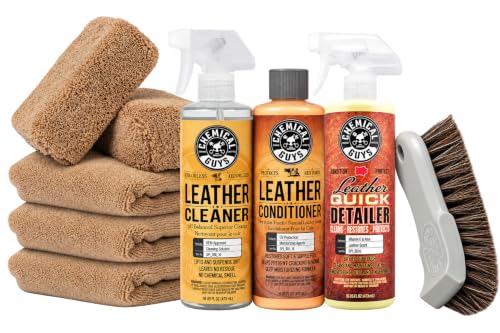
Begin with a soft, dry microfiber cloth to wipe away dust and debris, ensuring a gentle touch to avoid scratches. For stubborn spots, a mixture of distilled water and mild soap serves well; dampen a cloth with this solution, apply lightly, and follow with a clean, damp cloth to remove any residue.
To protect the surface, consider using a specialized conditioner every six to twelve months. Apply it sparingly and allow it to thoroughly absorb for maximum effectiveness. Always test any product on a hidden area first to ensure compatibility and avoid unexpected discoloration.


Maintain a humidity level between 30% and 50% to prevent cracking and drying over time. Regularly assess for signs of wear or damage, addressing any concerns promptly to extend the life of your beloved pieces.
Effective Methods for Maintaining Upholstery
I recommend utilizing a gentle cleaning solution comprising equal parts of distilled water and white vinegar. This mixture works wonders for removing stains without causing harm. Apply it with a soft, lint-free cloth and rub lightly in circular motions, ensuring not to soak the material. Always conduct a spot test on a hidden section to verify that there are no adverse reactions.
Maintaining Appearance Regularly
Wipe down your seating with a damp cloth weekly to eliminate dust and dirt. Following this, a dry microfiber cloth can be used to buff surfaces, ensuring a subtle shine. For added protection, consider applying a dedicated conditioner designed for similar materials every 6 to 12 months. This will enhance durability and prevent cracking.
Dealing with Stains
For stubborn spots, a paste made from equal parts of baking soda and water can be applied directly to the affected area. Leave it for a few minutes before gently lifting it away with a damp cloth. Avoid harsh chemicals, as they may strip natural oils and lead to discoloration.
| Item | Method | Frequency |
|---|---|---|
| Dusting | Dry microfiber cloth | Weekly |
| Deep Cleaning | Vinegar solution | As needed |
| Conditioning | Dedicated conditioner | Every 6-12 months |
| Spot Treatment | Baking soda paste | As needed |
Choosing the Right Cleaning Products for Leather
I rely on specific products for maintaining the condition of my items. It’s crucial to select pH-neutral solutions, as these are gentle and won’t strip the natural oils. Always check labels for any harsh chemicals such as ammonia or bleach, which can cause irreversible harm.
Recommended Ingredients
When evaluating options, I prioritize the following components:
- Natural oils: Carnauba wax and coconut oil can nourish and protect.
- Glycerin: This ingredient helps retain moisture and prevents cracking.
- Distilled water: It’s safer than tap water, which may contain minerals that affect texture.
Product Types to Consider
Below is a table outlining product types that I find efficient:
| Product Type | Description |
|---|---|
| Conditioner | Restores moisture and luster, ensuring longevity of the surface. |
| Cleaner | Specifically designed for the material, free from harsh agents. |
| Protector | Adds a barrier against spills and stains, ideal for busy environments. |
Always perform a spot test on a hidden area to ensure compatibility. This helps prevent unexpected reactions and maintains the character of cherished pieces.
Testing Cleaners on Hidden Areas First
Before applying any cleaning solution extensively, I always test it on a concealed area to ensure compatibility. Choose a section that’s not easily visible, such as the back or underside of a piece. Apply a small amount of the cleaner, using a soft cloth. Allow it to sit for a few minutes, then wipe it away and observe for any discoloration, stiffness, or adverse reactions.
Interpreting Test Results
If the test spot remains unaffected, I feel more confident moving forward. However, if I notice any negative changes, I immediately abandon that cleaner and search for alternatives. This precautionary step is essential, as it helps to safeguard the material’s integrity over time.
Alternative Testing Methods
<pAnother approach I recommend is diluting the cleaner first, especially if it's concentrated. Mixing it with water and repeating the test can provide additional assurance. Always prioritize the longevity and appearance of your piece by being cautious with any cleaning agents.
Daily Maintenance Tips for Leather Goods
I recommend using a microfiber cloth daily to dust surfaces, preventing dirt accumulation. This helps maintain the integrity of the material while ensuring a clean appearance.
Keep humidity levels between 40-60% to prevent cracking or drying. A hygrometer can help monitor conditions in your space.
Use a leather conditioner bi-monthly to nourish and protect the surface. This will enhance the texture and extend the lifespan of the upholstery.
Avoid placing items like newspapers, which can cause ink transfer, directly on your seating. Instead, utilize coasters and trays for drinks and snacks.
Ensure your furniture is not exposed to direct sunlight for extended periods. UV rays can fade colors and weaken fibers over time. Draw curtains or use window films if necessary.
I suggest rotating cushions if applicable, as this promotes even wear. Regularly check for any loose seams or areas needing attention.
If spills occur, blot immediately with a clean, dry cloth. Avoid rubbing, as this can spread the liquid or embed it deeper into the material.
Using a soft brush attachment on a vacuum can help remove debris from crevices without risk of damage. Frequent attention to these areas prevents the build-up of dirt.
Removing Stains Without Leaving Marks
Quickly addressing marks can prevent deeper penetration and ensure the material maintains its pristine look. My first step is to act swiftly; the sooner I tackle a spill, the easier it is to manage.
Materials Needed
- Soft, absorbent cloths
- Mild soap solution (water mixed with a few drops of pH-neutral soap)
- White vinegar or rubbing alcohol
- Leather conditioner
Steps to Follow
- Blot excess liquid immediately with a soft cloth, avoiding rubbing to prevent spreading.
- Dampen another cloth with a mild soap solution and gently dab the stained area. Use light pressure to lift the residue.
- If the mark persists, mix equal parts of white vinegar and water, then use a cloth to apply the solution sparingly, always in a circular motion.
- After treating the stain, wipe the area with a clean, damp cloth to remove any soapy or vinegar residue.
- Once dry, apply a small amount of a quality conditioner to restore moisture and prevent cracking.
Adhering to these steps ensures that I minimize any potential for leftover marks. It’s wise to remember that testing solutions on less visible spots prior to full application is a smart practice.
Dealing with Scratches and Scuffs Safely
Apply a cream specifically designed for minor imperfections. This will help to mask scratches effectively. Choose a product that matches the color of your item to ensure an even appearance.
For deeper scratches, consider using a repair kit that includes wax filler. Follow these steps for application:
- Clean the area gently with a damp cloth.
- Use the wax filler to fill the scratch lightly.
- Blend it with your fingertip to achieve a seamless finish.
- Allow it to cure according to package instructions.
- Buff gently with a soft cloth for shine.
To address scuffs, I recommend using a damp microfiber cloth. Lightly rub the affected area in a circular motion. If needed, a tiny drop of neutral soap can help lift the mark.
Regularly applying a conditioning agent can prevent scratches from becoming more pronounced. Look for products that nourish and protect the surface.
If an area appears particularly worn, a professional restoration service might be a wise choice. They have specialized tools and techniques that can restore the material to its original luster.
In case of substantial damage, consult a specialist. They can provide the best advice tailored to your specific situation and the type of material involved.
Conditioning for Quality Preservation
I recommend applying a conditioner specifically formulated for natural materials every 6 to 12 months. This practice replenishes lost oils and maintains the surface’s suppleness. Choose a conditioner free of silicones or waxes, as these may create a barrier that prevents absorption.
Application Tips
Prior to application, ensure the surface is free of dust and debris. Use a soft, lint-free cloth to spread a small amount of conditioner evenly. Work in sections, allowing the product to soak in for a few minutes before buffing lightly with a clean cloth. This will enhance the texture and appearance, while also preventing cracking over time.
Spot Testing
Before treating a larger area, conduct a spot test on a less visible section to confirm compatibility. Allow it to dry completely before evaluating the result, ensuring it does not alter the material’s original hue or finish.
Consistent conditioning contributes significantly to the preservation of quality and extends the lifespan of your cherished pieces.
Handling Different Types of Leather
Identify the category of your material before proceeding with any maintenance. For example, aniline types offer a natural look and feel but are more susceptible to stains. Use a soft, dry cloth for dusting, and avoid water-based solutions to preserve their hue and texture.
Protected or Pigmented Leather
This variant has a coating that makes it more resilient to spills. I opt for a damp cloth with a mild soap for routine wiping. After cleaning, I make sure to dry it promptly to prevent moisture accumulation. It’s safe to apply leather conditioner periodically to maintain suppleness.
Suede and Nubuck
For these textures, a specialized brush is my go-to. Gentle strokes help lift dirt without damaging the fibers. In case of stains, I utilize an eraser intended for suede; this method usually yields good results. Avoid wet cleaning as it can create darker spots and ruin the texture.
Lastly, keep in mind that every piece is unique. Regular inspection helps identify wear and tear early on, allowing for appropriate care tailored to each specific type. This routine ensures longevity and retains the original charm of the material.
Using Natural Remedies for Cleaning Leather
I recommend a mixture of equal parts of vinegar and water for gentle maintenance. This blend acts as a mild disinfectant, effectively removing dirt without irritation. Apply it with a soft cloth, wiping in circular motions for best results.
Olive Oil and Vinegar Mixture
For conditioning, combine two parts olive oil with one part white vinegar. This remedy not only cleans but also nourishes, enhancing the suppleness of the upholstery. After applying, buff with a dry cloth to achieve a polished finish.
Baking Soda for Stains
For stubborn spots, sprinkle baking soda directly on the affected area and let it sit for a few hours. It absorbs grease and spills without scratching the surface. Afterwards, gently vacuum the area to remove any residue.
Always ensure that any application is done softly to maintain the integrity of the surface. Testing on a hidden section first prepares you for a more extensive treatment while safeguarding your investment.
Avoiding Common Mistakes When Cleaning Leather
Select a gentle approach rather than aggressive scrubbing when treating surfaces. Rubbing too hard can cause unwanted damage and alter the texture. Be mindful of the tools you use; always opt for microfiber cloths instead of abrasives.
Avoid Excess Moisture
- Test your solution on a discreet area to check for adverse reactions.
- Avoid soaking the surface; excess liquid can penetrate and harm the material.
- Use a damp cloth instead of a wet one to control moisture levels.
Product Choices
- Skip harsh chemicals like ammonia or bleach; they can strip away natural oils.
- Ponder the ingredients; prefer pH-balanced cleaners specifically designed for types of upholstery.
- Be wary of using household items like vinegar and baking soda, as they can alter hues.
Inspect furniture regularly for signs of wear or buildup. Immediate attention to stains will prevent them from becoming embedded. Resist the temptation to ignore minor blemishes, as they can worsen over time.


