
 Caleb Turner

Using a soft, lint-free cloth is the first step. Dampen it slightly with warm water; excess moisture can damage delicate finishes. Lightly wipe the surface to remove dust and debris, aiming for a gentle touch that won’t harm the finish.
Once the initial dust is gone, I recommend a blend of equal parts white vinegar and olive oil. This mixture nourishes the wood while adding a subtle shine. Apply it using a clean cloth, working in small circles. It’s crucial to use minimal amounts to avoid any residue buildup.
For stubborn stains, felt pads soaked in mineral spirits can be effective. Gently rub the affected area, testing in an inconspicuous spot first to ensure no adverse effects occur. After stains are addressed, revisit the vinegar and oil mixture for a final polish.
Regular maintenance is key. Keeping surfaces dust-free and using coasters can help prevent long-term damage. A thorough cleaning every few months ensures that the timeless elegance of these pieces remains intact.
Cleaning French Polished Surfaces
For maintaining the beauty of lacquered wood, I recommend using a soft, dry cloth. This method prevents scratches while effectively removing dust and light residues.


In cases of stubborn stains, a mixture of distilled water and white vinegar works wonders. Dampen a cloth with this solution, wring it out thoroughly before applying, and gently wipe the affected area. It’s crucial to follow up with another dry cloth to avoid moisture damage.
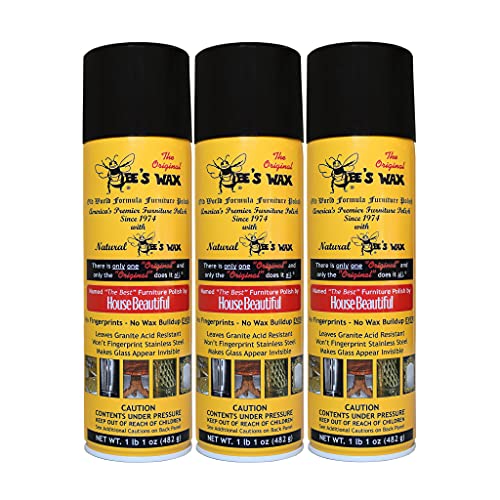
For additional shine, I prefer using a specialized furniture polish free of silicone or alcohol. Spraying a small amount onto a clean cloth, I apply it in circular motions, ensuring an even coat while enhancing the sheen.
To protect surfaces from heat and moisture, I suggest placing coasters and mats underneath drinks and decor items. This proactive approach will preserve the integrity of the finish over time.
Regular care involves not just cleaning but also polishing. Every few months, reapply the suitable product to maintain the protective layer, keeping the surface looking fresh and vibrant.
Understanding French Polish and Its Characteristics
To appreciate the beauty and craftsmanship of this finish, one should note that it consists primarily of shellac dissolved in alcohol, applied in multiple thin layers. This process results in a highly reflective, deep, and rich sheen, highlighting the natural grain of the wood beneath.
Key Properties
The appearance of such a coating can vary widely; it can be glossy or satin, depending on how the final layer is treated. Moreover, this finish enhances the color depth of timber, providing a warm, inviting look. It is important to understand that this application creates a surface that is sensitive to moisture and heat, making it imperative to protect it from spills and direct heat.
Durability and Maintenance
While it offers a stunning visual appeal, the durability of this finish may not match that of modern synthetic alternatives. Regular care, including avoiding harsh chemicals and using a soft cloth for maintenance, helps prolong its life. When accidents happen, timely intervention can prevent damage and maintain its elegance.
Gathering the Right Cleaning Supplies for French Polish
For the upkeep of lacquered surfaces, specific materials are necessary. I ensure I have a soft, lint-free cloth made from cotton or microfiber to avoid scratches while ensuring a thorough wipe. This prevents damage during the process.
Key Supplies
I choose a mild cleaning solution, typically a blend of water and a few drops of gentle soap. This helps in dissolving dirt without harming the finish. Additionally, I keep a can of beeswax or a specialized wax polish on hand. This provides nourishment and enhances the sheen after the surface is treated.
Tools and Accessories
A spray bottle is essential for controlled application of my cleaning mix. Also, I use soft, natural bristle brushes for reaching intricate details. Finally, I make sure to have gloves handy to protect my hands from any contaminants while working.
Testing Cleaning Methods on a Small Area
Before applying any cleaning technique to the entire surface, choose a discreet spot to conduct a test. This will help ensure the chosen approach does not damage the finish.
- Select an Inconspicuous Location: Pick a spot that is hidden from view, such as the underside or the back of a drawer.
- Apply a Small Amount: Use a soft cloth or a cotton swab to apply the cleaning solution to the test area. Ensure it’s a minimal amount to avoid pooling.
- Wait and Observe: Allow the solution to sit for a few minutes. Look for any changes in the finish, such as discoloration, cloudiness, or bubbling.
- Gently Wipe: After waiting, gently wipe the area with a clean, dry cloth to assess whether the finish remains intact.
- Evaluate Results: If the area appears unaffected, it may be safe to proceed with the method on the larger area. If there are negative results, consider trying a different technique.
Consistency across the test and application areas is crucial; ensure that lighting and viewing angles remain the same to accurately judge the outcome. Knowing the response of the finish will guide safe and effective cleaning methods for the rest of the piece.
Dusting and Initial Cleaning of French Polished Surfaces
I begin by addressing accumulated dust using a microfiber cloth as it effectively traps particles without scratching the surface. Gently wipe the veneer, working in the direction of the wood grain to prevent any potential damage. Avoid harsh or abrasive materials and ensure the cloth is slightly dampened if necessary for heavier dust deposits, but never wet, as excess moisture can harm the finish.
Choosing the Right Technique
<p When tackling an initial wipe down, I prefer the method of dry dusting. This approach minimizes any unnecessary friction that might dull the sheen. For areas with stains, lightly mist the cloth with a solution made of a few drops of natural soap diluted in water, applying only a slight amount to avoid saturation. After spot treatment, I follow up with a dry cloth to remove any moisture, maintaining the luster and integrity of the surface.
Maintaining a Regular Routine
Establishing a consistent routine is key. I recommend dusting weekly to prevent a build-up that could compromise the elegance of the finish. For higher traffic pieces, consider more frequent attention, using the same gentle methods. Keeping surfaces free from dust not only enhances appearance but prolongs the life of the finish, preserving its natural beauty for years to come.
Using a Suitable Cleaner for French Polished Furniture
Opt for a pH-neutral solution or a dedicated product meant for treated wood surfaces. I find that solutions with natural ingredients work best, as they maintain the integrity of the finish while offering effective cleaning. Avoid any cleaners with alcohol or abrasive components; these can strip the delicate coating and cause irreparable damage.
Examples of Effective Cleaners
Look for products labeled specifically for waxed or varnished wood. Brands that emphasize gentle formulations are often reliable choices. A mixture of warm water with a few drops of mild soap can also serve effectively. In these instances, always ensure to dampen a soft cloth rather than applying the cleaner directly to the surface to prevent excess moisture.
Application Tips
Apply the selected cleaner using a microfiber cloth, moving in the direction of the grain for optimal results. This technique minimizes the risk of swirl marks and ensures that any embedded dirt is lifted properly. Rinse the cloth frequently to avoid redistributing grime across the surface.
Applying Polish to Restore Shine and Protection
To rejuvenate the sheen and safeguard surfaces, I follow a straightforward application method. I opt for high-quality wax or shellac polish, ensuring compatibility with the existing finish. Begin with a clean, soft cloth to avoid any debris.
Application Steps
1. Depending on the product’s instructions, pour a small amount of polish onto the cloth. A little goes a long way.
2. Gently rub the cloth in a circular motion, focusing on one section at a time. This method helps to evenly distribute the polish and prevent streaks.
3. Allow the polish to dry per the manufacturer’s guidelines. This usually takes around 10-15 minutes, but checking the product label is advisable.
4. Once dry, buff the area with a clean, dry part of the cloth using light pressure. This action enhances shine and helps seal the surface.
Frequency of Application
I recommend reapplying the polish every 3 to 6 months, depending on usage and exposure to environmental factors. For pieces exposed to sunlight or humidity, more frequent application may be necessary.
| Polish Type | Benefits | Application Frequency |
|---|---|---|
| Wax Polish | Enhances shine, adds a protective layer | Every 6 months |
| Shellac Polish | Quick-drying, provides a hard finish | Every 3 months |
| Oil Polish | Deep nourishment, softens surface | Every 4-6 months |
This structured approach ensures that the beauty and integrity of beloved pieces are maintained, allowing them to continue telling their stories for years to come.
Handling Stains and Marks on French Polished Furniture
For water rings, I apply a cloth dampened with mineral spirits directly to the mark. I let it sit for a minute, then gently wipe it away with a dry cloth. This often lifts the stain without damaging the finish.
For grease or oil spots, a mixture of baking soda and water works effectively. I create a paste, apply it to the stain, and let it sit for a few hours before gently scrubbing with a soft cloth. Rinsing the area with a clean, damp cloth removes any residue.
In case of scratches, I rub a matching colored wax crayon along the scratch to fill it in. Afterward, I buff it lightly with a soft cloth to blend it with the surrounding area.
If I encounter scuff marks, a simple solution is to use a soft eraser. Lightly rubbing the mark with it often proves successful without harming the finish.
For more stubborn stains, I blend equal parts of vinegar and olive oil, applying it to the area with a soft cloth and buffing afterward to restore luster.
I avoid using abrasive materials or harsh chemicals, as they can compromise the delicate surface. Regular maintenance assists in preventing severe staining, so I remain vigilant with dusting and applying appropriate protective coatings.
Preventive Measures for Maintaining French Polished Furniture
Regular maintenance is key to prolonging the life of my cherished pieces. Here are some steps I take to ensure their integrity and appearance:
- Avoid direct sunlight exposure. I keep them away from windows to prevent fading and heat damage.
- Control humidity levels. Maintaining a consistent environment helps prevent cracks and warping.
- Use coasters and mats. I place these under glasses and dishes to prevent moisture rings and scratches.
- Avoid harsh chemicals. I stick to gentle, non-abrasive cleaners to avoid compromising the finish.
- Keep surfaces dust-free. I dust regularly using a soft, lint-free cloth to remove particles that can cause scratches.
Implementing these strategies helps me preserve the beauty and durability of my beloved items, ensuring they remain stunning for years to come.


