Caleb Turner

To maintain the allure of vintage surfaces, I recommend starting with a gentle dusting using a soft, lint-free cloth. Avoid abrasive materials, as they can mar the delicate finish. Next, mix a solution of warm water and mild dish soap, dipping the cloth lightly in the mixture. Ensure the cloth is damp, not soaking wet; excess moisture can harm the substrate beneath.
After wiping down the surface, it’s essential to dry it immediately with a separate clean cloth. Letting moisture linger can lead to undesirable warping or spotting, compromising the beauty of the piece. For any stubborn marks or stains, I turn to a specialized cleaner designed for delicate finishes, applying it sparingly and following the product directions closely.
Finally, nourishing the surface with a suitable wax or polish enhances its natural shine and provides a protective layer against future wear. Be sure to apply it with a soft cloth, using gentle circular motions, which helps distribute the product evenly without causing damage. Following these steps not only preserves the integrity of the piece but also highlights its timeless charm.
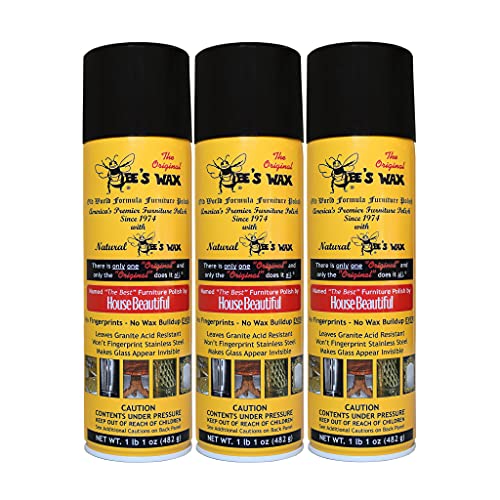


Steps for Maintaining Vintage Paneling
Begin by utilizing a soft, lint-free cloth to gently wipe the surface. This removes dust without causing scratches. For stubborn spots, slightly dampen the cloth with distilled water or a mixture of vinegar and oil; ensure it’s not overly wet to prevent damage.
Treating Stains
Apply a small amount of mineral spirits on a cloth and test on an inconspicuous area first. If the finish responds well, proceed to work on stain spots with gentle circular motions. Always remember to follow with a clean, dry cloth to absorb any excess liquid.
<h3_Protective Measures
Use coasters and place mats to shield surfaces from moisture and heat. Regularly check for signs of deterioration, such as cracks or lifting edges, and address them promptly to preserve the integrity of your cherished piece.
Assessing the Condition of Your Antique Veneer
Begin by examining the surface for any signs of damage such as scratches, chips, or peeling. Look closely at the edges where the layers might separate, indicating potential delamination. Use a soft, dry cloth to gently wipe the surface and observe how it reacts; if moisture is absorbed quickly, this suggests a need for immediate attention.
Next, assess the overall integrity. You should tap on the furniture lightly; this will help identify hollow sounds that may indicate internal issues. Pay attention to areas that seem unusually soft or compromised. Inspect the joints and legs for stability, as loose components can affect structural soundness.
| Condition Aspect | Signs to Look For | Recommended Action |
|---|---|---|
| Surface Damage | Scratches, chips, peeling | Consider professional repair |
| Moisture Absorption | Rapid absorption on a cloth | Apply a protective finish |
| Sound Quality | Hollow sounds when tapped | Check for structural issues |
| Joint Integrity | Loose or unstable joints | Tighten or re-glue as necessary |
Lastly, consider the environmental factors. Extreme temperatures, humidity, and exposure to sunlight can accelerate deterioration. Assessing these conditions thoroughly will help in planning effective maintenance for longevity.
Choosing the Right Cleaning Supplies
For restoring the beauty of delicate surfaces, I opt for gentle options. A mild soap mixed with warm water works effectively without causing harm. Avoid anything abrasive or overly strong; such products can destroy finishes.
Soft, lint-free cloths are my go-to for application. Microfiber materials are particularly beneficial, as they minimize scratches and absorb moisture well. I also keep a set of cotton swabs handy for reaching intricate details and corners.
Whenever I need extra cleaning power, I consider using a blend of vinegar and olive oil. This solution nourishes surfaces while providing a light shine. I mix equal parts, applied with a soft cloth, and it has worked admirably without issues.
Additionally, I avoid commercial polishes that contain wax or silicone, as they can build up and affect natural finishes. Instead, a simple, well-formulated beeswax product can be beneficial for protecting and enhancing the natural grain.
For removing stubborn spots, I keep denatured alcohol on hand. It’s effective for localized treatment but must be diluted properly to avoid damage. I always test any new product in an inconspicuous area first.
Storage of these materials is also significant. I place them in a cool, dry place, ensuring the longevity of my supplies. Proper maintenance and the right tools contribute to a successful restoration process.
Dusting Techniques for Delicate Surfaces
For preserving the exquisite finish of fragile surfaces, I always opt for a microfiber cloth. It captures dust without scratching, making it safe for sensitive areas. Lightly dampening the cloth with water is beneficial for removing stubborn particles; however, it’s crucial to ensure the cloth is not overly wet.
Gentle Motion
I consistently utilize gentle, circular motions while dusting. This minimizes the risk of any abrasive action that could damage the finish. Starting from one side and moving to the other helps ensure that no spots are missed.
Specialized Tools
In tight corners or intricate carvings, I find that a soft-bristle brush works wonders. It dislodges trapped dust without harming the underlying material. For intricate designs, an artist’s brush can also be effective in reaching those difficult areas.
Mixing Gentle Cleaning Solutions
I recommend creating a mild solution that protects while effectively addressing grime. A mix of warm water and a few drops of liquid dish soap works well. Here’s how to craft it:
- Start with two cups of warm water.
- Add two to three drops of gentle dish soap. Avoid harsh detergents.
- Stir the mixture lightly to create suds.
This solution can be applied with a soft cloth, ensuring the material remains damp, not soaked. Always test the mix on a hidden area first to check for any adverse reactions.
For a different approach, a blend of equal parts white vinegar and olive oil can enhance the surface while cleaning. Here’s the method:
- Combine one part white vinegar with one part olive oil.
- Apply it using a soft cloth, rubbing in the direction of the grain.
- Buff the area with a dry cloth to restore shine.
These combinations not only safely tackle stains but also condition the surface, promoting longevity. Always allow any liquid to thoroughly dry before applying additional products or handling the piece further. Regular use of these solutions can prevent buildup and maintain an appealing appearance.
Applying Cleaner to Avoid Damage
I recommend using a spray bottle when applying a solution. This method ensures even distribution and minimizes the risk of saturation. Here’s the process I follow:
- Lightly mist the surface with the cleaning solution.
- Immediately use a soft, lint-free cloth to gently wipe the area, following the grain pattern.
- Avoid soaking the fabric, as excessive moisture can lead to warping or damage.
For particularly delicate pieces, I often dilute the cleaning solution further. A 1:4 ratio of cleaner to water has worked well in my experience. Testing on a hidden area is crucial before proceeding with the entire surface, ensuring no adverse reactions occur.
In cases where stubborn spots remain, I apply the cleaner to the cloth first, then address the affected area carefully. This prevents direct contact of the liquid with the finish and reduces the chances of harm.
Using a gentle circular motion helps lift residues without scratching. I emphasize the importance of frequent rinsing of the cloth to avoid reapplying dirt.
Finishing with a dry cloth to wipe off any residue is beneficial. I often wait a few minutes before adding polish to allow the surface to dry completely, safeguarding its integrity.
Using a Soft Cloth for Polishing
I recommend selecting a high-quality, microfiber cloth for polishing delicate surfaces of vintage pieces. This material is non-abrasive, preventing potential scratches while effectively lifting dust and grime.
Ensure the cloth is clean and dry before use. A damp cloth can lead to streaks or water damage, especially on sensitive finishes. Always buff in the direction of the grain to maintain the integrity of the surface.
For achieving a subtle shine, a light application of polish can be beneficial. Use the cloth to evenly distribute a small amount of polish, then gently work it into the surface. After application, I prefer to follow with a dry section of the cloth for a radiant finish.
Regularly changing the polishing cloth is essential to avoid redistributing dirt. Keeping a dedicated polishing cloth can ensure the safety and visual appeal of the finish for years to come.
Dealing with Stains and Scuff Marks
To tackle stains and scuff marks effectively, I recommend starting with a simple mixture of mild soap and water. Use a damp cloth to gently wipe the stained area without saturating the surface. After that, dry it immediately with a soft, clean cloth.
For Stubborn Stains
If a stain persists, I suggest using a mixture of equal parts vinegar and water. Apply it carefully with a soft cloth, ensuring not to rub too hard to avoid damaging the finish. Let it sit for a minute before blotting it dry.
Addressing Scuff Marks
For scuff marks, I find that using a pencil eraser works remarkably well. Gently rub the eraser on the mark until it is removed, then finish by wiping the area with a soft cloth. This method minimizes the risk of scratching the delicate surface.
Always remember to test any cleaner or method in an inconspicuous area first to ensure it won’t adversely affect the elegance of the piece. Regular maintenance will keep these surfaces looking pristine and age gracefully.
Regular Maintenance Tips for Longevity
I recommend performing routine inspections every few months. Look for any signs of wear, such as uneven surfaces or cracks. Address small issues promptly to prevent them from escalating.
Environment Control
Maintain a stable climate in the room. Ideal humidity levels should range between 40% to 60%, and temperatures should be consistent. Use a humidifier or dehumidifier as needed to prevent warping or splitting.
Routine Dusting
Incorporating a regular dusting routine helps preserve finishes. Use a slightly damp microfiber cloth instead of dry cloths to trap dust particles effectively while minimizing abrasion.
Avoid direct sunlight exposure that can cause fading. Consider repositioning items away from windows or using sheer curtains to diffuse light, protecting surfaces over time.