
 Caleb Turner
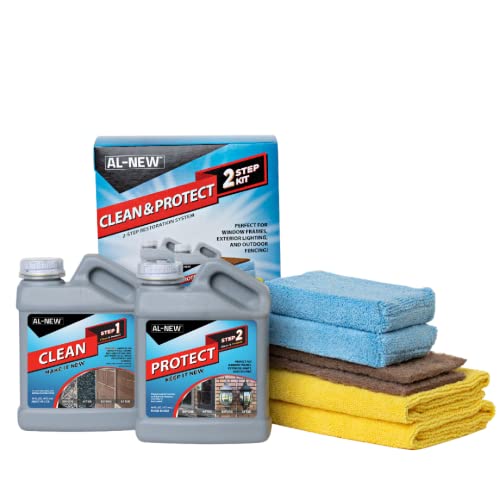
Apply a mixture of warm water and mild dish soap for a quick solution. Use a soft-bristled brush to agitate the surface gently. This will lift dirt and grime without scratching the material. Rinse thoroughly with a garden hose, ensuring no soap residue remains.
For stubborn stains, a paste made from baking soda and water can work wonders. Spread it over the affected areas, let it sit for several minutes, then scrub gently before rinsing off. This technique is especially useful for tackling mildew or algae.
To maintain luster, I recommend using a specialized cleaner formulated for these surfaces. Follow manufacturer instructions for application, as this will help prolong the life of the surface without damaging it. After cleaning, applying a UV protectant can shield against fading from sun exposure.
Lastly, consider storing items indoors during harsh weather conditions or covering them when not in use. This practice significantly reduces the frequency of maintenance needed, keeping the surfaces looking appealing year-round.
Maintenance Tips for Synthetic Seating Options
Remove dirt and grime using a mixture of mild soap and warm water. A soft sponge or cloth works well to avoid scratches. For stubborn stains, add a bit of vinegar to the solution. Rinse thoroughly with clean water to eliminate any soap residue.


Restoration Techniques
To restore the shine, consider using a mix of olive oil and vinegar. Apply with a soft cloth, buffing gently to enhance the appearance. This technique can rejuvenate the surface, making it look new again.
Protective Measures
Apply a UV protectant spray designed for synthetic materials to prevent fading. Ensure the area is well-ventilated during this process. Reapply every few months for continued protection from sun damage.
| Task | Frequency |
|---|---|
| Surface washing | Monthly |
| Vinegar treatment | Quarterly |
| UV protectant application | Every 3-4 months |
Assessing the Condition of Your Furniture
Examine surfaces closely for any discoloration or fading. Use a soft cloth to feel for rough or damaged areas. Pay attention to cracks, chips, or structural weaknesses in joints, as these can affect stability.
Identifying Stains and Marks
Look for stubborn stains, including those from food, drink, or accidental spills. Test a small area with water to see if it absorbs or beads up; this indicates whether the surface remains intact. Organic growth, like mold or mildew, requires special treatment, so keep an eye out for spots that appear dark or fuzzy.
Inspecting Hardware and Accessories
Check any bolts, screws, or connectors for rust or corrosion. Loose hardware can lead to further damage, so ensure everything is tight and secure. Consider any cushions or fabric elements as well; fraying or fading here could suggest replacement is due.
Choosing the Right Cleaning Supplies
Opt for a mild dish soap mixed with warm water as the base solution for my outdoor seating. This blend tackles dirt without damaging surfaces. For stubborn stains, I select a soft-bristled brush to gently scrub areas without scratching.
For mildew or mold, a mixture of equal parts vinegar and water works effectively. The acidity of vinegar breaks down spores while remaining safe for various materials. I ensure to apply this solution directly onto affected areas and allow it to sit for a few minutes before rinsing.
Using a hose or a bucket of water is ideal for rinsing away residues. A gentle rinse prevents any lingering soap that may attract dirt later. I prefer avoiding high-pressure washers as they can cause harm to delicate surfaces.
When addressing persistent staining or discoloration, I keep a specialized cleaner handy, designed for outdoor surfaces. Before using any product, I perform a spot test on an inconspicuous section to ensure compatibility and to avoid potential damage.
Lastly, microfiber cloths or soft sponges are my go-to for drying. They prevent water spots and provide a thorough finish without scratching the finish. Keeping these supplies ready makes the maintenance of outdoor seating straightforward and effective.
Step-by-Step Cleaning Process
Prepare your workspace by selecting a shaded area to avoid direct sunlight, which can cause cleaning solutions to dry too quickly.
1. Gather your tools:
- Soft-bristled brush
- Bucket
- Garden hose or pressure washer (set to low)
- Non-abrasive detergent
- White vinegar or baking soda (for tough stains)
- Microfiber cloths
2. Rinse the surfaces with water:
Using a hose or pressure washer, remove loose dirt and debris. Focus on hard-to-reach areas like crevices and joints to loosen accumulated grime.
3. Prepare the cleaning solution:
Mix non-abrasive detergent with warm water in the bucket. Alternatively, for stubborn spots, combine white vinegar or baking soda with water to create a paste.
4. Apply the solution:
Use the soft-bristled brush to scrub surfaces with the cleaning mixture. Ensure you’re applying gentle pressure to avoid scratches.
5. Address stubborn stains:
If persistent marks remain, apply the paste of vinegar or baking soda directly onto the stain. Let it sit for 10-15 minutes before scrubbing gently.
6. Rinse thoroughly:
After scrubbing, rinse all surfaces with a garden hose or pressure washer to remove any soapy residue and cleaning agents.
7. Dry the surfaces:
Wipe down with microfiber cloths to prevent water spots and streaks. Ensure everything is completely dry before using or storing items.
8. Apply a protective finish (optional):
For added longevity, consider applying a protective wax or sealant suitable for the material, following the product instructions.
By following these steps, I ensure my items remain in great condition throughout their use. Regular attention will extend their lifespan and maintain appearance.
Dealing with Stains and Discoloration
For challenging spots, I recommend a targeted approach. Start with a mixture of baking soda and water to form a paste. Apply the paste directly onto the stain and allow it to sit for 15-30 minutes before scrubbing gently with a soft brush. Rinse thoroughly afterward.
For persistent discoloration, consider using a mild bleach solution. Mix one part bleach with ten parts water in a spray bottle. Lightly mist the affected area, let it sit for a few minutes, then wipe away with a cloth. Always test in an inconspicuous area first and ensure good ventilation.
If mold or mildew is present, a solution of equal parts white vinegar and water can be effective. Spray it onto the moldy area, wait for about an hour, then scrub and rinse. This is a natural option that helps to eliminate odors as well.
For rust stains, apply a mixture of lemon juice and cream of tartar. Allow it to sit for about 30 minutes before scrubbing. Rinse adequately to ensure no residue remains.
In cases of stubborn, ingrained dirt, commercial cleaners designed for outdoor surfaces may be necessary. Look for products formulated specifically for these types of materials, ensuring to follow the manufacturer’s instructions closely to avoid damage.
To maintain the look, regular maintenance is key. I set a schedule to inspect for new stains and treat them promptly, reducing the buildup of grime or discoloration over time.
Finally, storing items in a shaded area when not in use can minimize exposure to harsh sunlight, helping to prevent fading and discoloration.
Protecting Furniture from Future Damage
To extend the lifespan of your outdoor seating and tables, apply a UV-protective spray specifically designed for these materials. This will create a barrier against harmful sun rays that can cause fading and degradation over time.
Consider using a breathable outdoor furniture cover when not in use. This prevents moisture buildup while offering protection from environmental elements like dust, bird droppings, and tree sap.
Regular Maintenance Tips
Schedule routine inspections for any signs of wear. If you notice scratches or abrasions, address them quickly with a touch-up paint or sealant tailored for the material. Keeping surfaces clean of debris will also prevent scratches from occurring during regular use.
Storage Solutions
If possible, store these items indoors during harsh weather conditions, such as heavy rain or snow. If indoor storage isn’t an option, elevating furniture from direct ground contact can minimize moisture absorption and prevent rust or mold formation.
Tips for Storing Furniture During Off-Season
Secure this equipment in a dry, well-ventilated area to combat moisture and mold. Choosing a shaded space, away from direct sunlight, prevents fading and degradation of materials.
Utilize protective covers specifically designed for outdoor seating and tables. These prevent dust accumulation and offer an extra layer against scratches and impacts.
Stackable designs are ideal for saving space. When possible, stack chairs and tables neatly, making sure they aren’t overly compressed to avoid warping or bending.
For additional protection, consider cushioning or placing soft pads between items. This minimizes contact and reduces the risk of scuffs.
Check for pests in the storage area before placing items inside. A thorough inspection helps avoid infestations that can damage or stain surfaces.
Consider frequent checks during the off-season. This ensures that items remain in good shape and allows for early detection of any potential issues.
Lastly, document the condition and any maintenance performed prior to storage. This record helps in assessing and preparing for any future needs before getting the items back out for use.


