
 Caleb Turner
To achieve a fresh appearance for your dark timber items, prepare by selecting a suitable stain or paint specifically designed for wood. Begin with a small area hidden from view to test the finish, ensuring it aligns with your expectations before proceeding.
Next, thoroughly clean the surface to remove dust, grease, or old finishes. Use a fine-grit sandpaper to lightly scuff the surface, enhancing adhesion for the new product. Be sure to wipe away any debris with a damp cloth afterward.
With the workspace ready, apply the chosen stain or paint using a brush or cloth. Follow the grain pattern for a smooth, even finish. Allow adequate drying time between coats to achieve the desired depth and richness in the appearance.
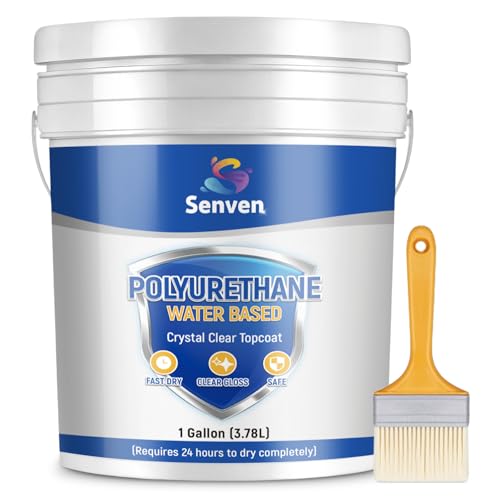
Once the final coat is dry, seal with a durable clear finish to protect the new surface. This step is vital for longevity, ensuring the beauty of the transformation endures through time.


Instructions for Altering the Appearance of Mahogany Pieces
To effectively refresh the hue of your wooden items, begin by removing any existing finish. I recommend using a combination of chemical strippers and sanding techniques to achieve a clean surface. Opt for a fine-grit sandpaper to prevent damage to the wood fibers.
Once the surface is bare, assess the new shade you’d like to apply. I suggest utilizing wood stains for a smooth application and rich depth. Choose a high-quality stain that suits your vision; test different shades on a small, inconspicuous area to see how it interacts with the natural grain.
Consider the following steps for application:
- Use a clean, lint-free cloth or brush to apply the stain evenly.
- Allow the stain to penetrate for the manufacturer’s suggested time, then wipe off excess to avoid blotching.
- For deeper hues, repeat the application process until you achieve the desired result.
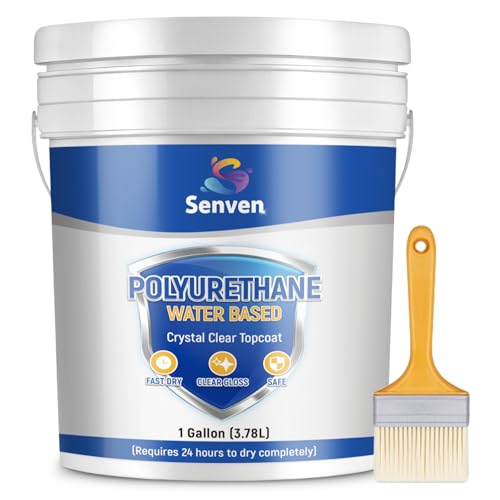
After achieving the preferred shade, I recommend sealing the wood with a clear topcoat. This will protect the surface from wear and enhance the richness of the chosen tint. I typically use polyurethane or lacquer for a durable finish.
Finish with a light sanding between coats for optimum smoothness, and allow ample drying time as per product instructions. This approach will ensure longevity and beauty in your transformed wooden items.
Selecting the Right Colour for Your Mahogany Furniture
Considering shades like deep blue or charcoal gray can dramatically alter the aesthetics of the wood. A rich navy provides a sophisticated contrast, enhancing the natural grain, while dark gray adds a modern touch without overpowering the inherent beauty.
For those who prefer a warmer vibe, muted tones such as olive green or soft taupe can harmonize beautifully with the reddish undertones of the wood. These hues create a cozy atmosphere, making the space inviting.
Experimenting with pastels, like blush pink or powder blue, offers a fresh, airy feel. These lighter options breathe new life into pieces, perfect for a contemporary or eclectic look.
Keep in mind the surrounding decor and lighting–natural light can affect how different shades appear. Always test samples in the intended environment to ensure the right choice resonates with your personal style.
Lastly, consider the finish. Matte finishes provide a rustic appeal, while glossy surfaces can elevate elegance, reflecting light beautifully and adding depth to your selection.
Preparing the Furniture for Colour Change
Thoroughly clean the surface to remove dust, grease, and grime. I recommend using a mixture of mild soap and water, applied with a soft cloth. After wiping, let it dry completely.
Inspect for any damage like scratches or dents. If found, I fill them using a wood filler that matches the existing grain before proceeding.
Sanding is vital for effective adhesion of the new finish. I use 120-grit sandpaper for the initial pass, followed by 220-grit for smoothing. Always sand in the direction of the grain to avoid visible scratches.
After sanding, I clean off the dust with a tack cloth to ensure no debris interferes with the final appearance. Once everything is prepped, I’m ready to select and apply the new finishing product.
| Preparation Steps | Details |
|---|---|
| Cleaning | Use mild soap mixed with water; wipe and dry thoroughly. |
| Damage Inspection | Look for scratches or dents; fill them appropriately. |
| Sanding | Use 120-grit followed by 220-grit sandpaper; sand with the grain. |
| Dust Removal | Use a tack cloth to clean the surface before applying a new finish. |
Removing Old Finish from Mahogany
Begin with a thorough cleaning of the wood surface using a damp cloth to remove dust and debris. Once dry, I typically choose between chemical strippers or sanding to eliminate the existing coat.
Should I opt for chemical strippers, it’s critical to select a product designed for wood. Apply it generously using a brush, ensuring all areas receive sufficient coverage. After a few minutes, the finish will start to bubble, indicating it’s ready to be scraped off. Use a plastic scraper for this task to avoid damaging the underlying material.
If I prefer sanding, starting with coarse grit paper (around 60-80 grit) allows me to remove the finish effectively. I work in the direction of the grain, applying consistent pressure, and I gradually move to finer grits (up to 220 grit) to prepare the surface for staining.
Throughout the process, wearing gloves and a mask is vital to protect against harmful chemicals and dust particles. After stripping or sanding, I always vacuum the area thoroughly to prevent particles from affecting the next steps.
| Method | Steps | Pros | Cons |
|---|---|---|---|
| Chemical Stripper | 1. Apply stripper 2. Wait for bubbling 3. Scrape off |
Effective for intricate details | Strong fumes, requires ventilation |
| Sanding | 1. Start with coarse grit 2. Progress to fine grit |
Gives a smooth finish | Time-consuming, can create dust |
Regardless of the method selected, I ensure that the wood is completely free from residue before proceeding with any dye or finish application. A clean surface is vital for optimal adhesion and achieving the desired outcome.
Choosing the Appropriate Stain or Paint
For a successful transformation, I opt for products designed specifically for wood. Stains can enhance the natural grain and provide a rich appearance, while paints offer a solid, uniform finish. Water-based stains are less odoriferous and dry faster, making them convenient. On the other hand, oil-based options typically deliver deeper penetration and longer durability.
Before making a final selection, I test different samples on a hidden area or scrap piece to ensure the desired effect aligns with my vision. I often consider the undertones of the stain; warm tones, such as reds and ambers, complement the inherent richness of the wood.
If I choose to paint, it’s essential to select a high-quality primer beforehand, which helps in achieving an even application while improving adhesion. Always check whether the paint is suitable for use on wood surfaces, as certain formulations can be less effective on natural materials.
In my experience, semi-gloss and satin finishes tend to be the most forgiving in terms of maintenance and touch-ups. I also prefer products that include protective elements against scratches and stains, especially if the item is used regularly.
Ultimately, thorough research and testing guide my final decision on the right products, ensuring a satisfying outcome that aligns with my aesthetic preferences.
Applying Stain or Paint Evenly on Mahogany
To achieve a uniform application of dye or pigment on your wood piece, focus on the following steps:
- Choose the Right Tool: I prefer using a high-quality foam brush or a natural bristle brush. These tools help distribute the material evenly.
- Work in Sections: Divide the surface into manageable parts. This prevents the material from drying before you can blend it, reducing the risk of visible lines.
- Apply in Thin Coats: A thin layer allows for better absorption and even coverage. I always recommend starting with a light coat and then applying additional layers as necessary.
- Use Long, Even Strokes: When applying, use long strokes that follow the grain. This enhances the finish and minimizes streaks.
- Check for Drips: Keep an eye out for excess material pooling in corners or crevices. Wipe it away immediately to maintain an even finish.
- Feather Edges: To avoid hard lines, I blend the edges where I stop applying by lightly feathering the brush along the transition area.
- Sand Between Coats: Once the first coat dries completely, I lightly sand it with fine-grit sandpaper. This step ensures better adhesion for the next layer.
- Follow Manufacturer’s Instructions: Always refer to the application guidelines on the product label for optimal results, including drying times and recommended methods.
By adhering to these techniques, I ensure a consistent and appealing finish on my wood items, enhancing their beauty and longevity.
Sealing the Colour Change with Clear Coat
To preserve the hue transformation, applying a clear topcoat is crucial. This layer not only protects the new finish but also enhances brightness and depth. Choose a high-quality, water-based polyurethane or an oil-based varnish, depending on your desired sheen.
Follow these steps for optimal results:
- Select the Right Clear Coat: Evaluate finishes labeled as semi-gloss or satin for a balanced appearance. Glossy finishes can be too reflective.
- Apply in a Well-Ventilated Area: Ensure you’re working in a space with fresh air circulation to minimize fumes.
- Use the Correct Applicator: A foam brush or a high-quality synthetic bristle brush works best to avoid streaks.
- Thin Layers Are Key: Apply multiple thin coats rather than one heavy layer to prevent drips and uneven surfaces.
- Sand Between Coats: Lightly sand with fine-grit sandpaper between applications to create a smooth surface for the next layer.
- Allow Adequate Drying Time: Follow the manufacturer’s guidance on drying times to ensure that each layer adheres properly.
- Final Inspection: Once the final coat is dry, check for any imperfections. Address them by lightly sanding and repeating the coating process as necessary.
This protective layer not only extends durability but also maintains the richness of the new aesthetic, allowing for enjoyment of your revamped piece for years to come.
Drying and Curing Time for Mahogany Furniture
I recommend allowing at least 24 to 48 hours for the finish on your wood piece to dry between coats. The specific duration may vary based on environmental factors such as humidity and temperature, so it’s essential to monitor these conditions closely. In humid settings, drying will take longer, while warmer and drier environments can expedite the process.
Factors Influencing Drying Time
Temperature plays a critical role; ideally, the workspace should be kept around 70-75°F (21-24°C) for optimal drying. Excessive ventilation can also enhance drying speed, but be cautious of too much airflow, which can invite dust into the finish. Additionally, thicker applications of lacquer or stain require extended drying periods. Consider using a fan or heater cautiously if natural conditions aren’t favorable.
Curing Requirements
Curing, which is the phase where the finish fully hardens, typically takes weeks to months. For best results, I suggest waiting at least 30 days before heavy usage. During this time, avoid placing objects on the surface, as this allows the coating to achieve maximum hardness and durability. Patience during this stage ensures a robust and long-lasting finish.
Maintaining Your Newly Coloured Mahogany Furniture
Regular cleaning is crucial. Use a soft, lint-free cloth and a mild soap solution to wipe down the surface. Avoid harsh chemicals to prevent damage to the new finish.
Apply a quality furniture wax or polish every few months to enhance the sheen and protect the surface. This creates a barrier against scratches and moisture.
Keep your items away from direct sunlight to prevent fading. Utilize curtains or blinds to filter light exposure, ensuring longevity of the new tones.
Monitor humidity levels in your environment. Excessively dry air can lead to cracking, while high humidity may cause warping. Aim for a consistent humidity level between 40-60%.
Gently buff the surface with a microfiber cloth periodically to remove dust and restore luster without scratching.
For deeper cleaning, consider using a dedicated wood cleaner that is safe for treated surfaces. Test it first on a small, inconspicuous area.
Inspect the finish regularly. If you notice areas of wear, touch them up promptly to maintain a uniform appearance.
Troubleshooting Common Issues During Colour Change
If the new layer appears blotchy, ensure proper surface preparation. Uneven sanding can affect absorption. Sand the piece thoroughly and uniformly before applying any product.
Stains may not exhibit the expected hue due to the wood’s natural characteristics. Conduct a test on a hidden area to determine how different shades react with the grain. This will help avoid surprises.
If streaks appear after applying a finish, check that the application method is consistent. Use a clean brush or cloth and apply with even pressure, following the wood grain. Avoid overworking the product, as this can lead to an uneven surface.
In case of an unpleasant odor associated with the materials, ensure adequate ventilation during application and drying. Open windows and use fans to circulate air and help dissipate any strong smells.
If the finish becomes tacky and doesn’t dry properly, humidity levels may be too high. Allow the piece to dry in a controlled environment with lower moisture content, and consider using a product formulated for high humidity conditions.
For peeling or chipping paint, this often stems from insufficient bonding between layers. Make sure each layer dries completely before adding another. If necessary, lightly sand between coats to improve adhesion.
To remedy a colour that seems too dark, consider lightening it with a clear coat to help tone down the intensity. Test a small area first to see the effect before full application.
Finally, inspect for any signs of damage or wear after the transformation. If issues arise, address them promptly to maintain the quality of the surface.
FAQ:
What is the best method to change the color of mahogany furniture?
To change the color of mahogany furniture, you should first prepare the surface by cleaning it thoroughly to remove any dust or oils. Then, you can use a wood stain or paint designed for furniture. If you choose stain, apply it evenly with a brush or cloth, and wipe off any excess. For painting, sand the surface lightly and apply a primer first before the paint, ensuring even coverage. Allow it to dry completely between coats for a professional finish.
Can I simply use a new coat of paint to change the color, or is staining better?
Using paint can effectively change the color of mahogany furniture, but it often covers the natural grain of the wood. Staining, on the other hand, enhances the wood’s natural beauty while changing its color. If you prefer to see the grain, staining is the better choice. It depends on the look you want to achieve—paint for a solid color and a more modern look, or stain for a rich, warm finish that showcases the wood.
How do I prepare mahogany furniture for color change?
Preparing mahogany furniture involves several steps. First, clean the surface with a mild detergent and water to remove any dirt or grease. After drying, sand the surface lightly with fine-grit sandpaper to ensure that the new finish adheres well. If the piece has an existing finish, you may need to strip it using a chemical furniture stripper or sand it down thoroughly. Finally, wipe the furniture with a damp cloth to remove any dust before applying stain or paint.
Are there specific stains or paints recommended for mahogany furniture?
When selecting stains or paints for mahogany furniture, look for high-quality options that are formulated for wood surfaces. Oil-based stains tend to penetrate deeply and provide a rich finish, while water-based stains offer easier cleanup. For paint, choose a high-quality acrylic or latex paint for durability. Brands like Minwax and Benjamin Moore offer great products suitable for wood finishing. Be sure to check the label for compatibility with mahogany.
What should I consider when selecting a new color for mahogany furniture?
When choosing a new color for mahogany furniture, consider the overall aesthetic of your space. Think about how the new color will coordinate with existing decor, such as wall colors and other furniture pieces. Light colors can brighten a room, while darker shades can create a cozy ambiance. Also, assess the wood grain and finish—some colors may highlight imperfections or the grain differently than others. Testing a small area or sample on an inconspicuous spot can help you see how the color looks before committing.
What are the best methods to change the color of mahogany furniture?
There are several effective methods for changing the color of mahogany furniture. One option is to use a wood stain, which allows you to achieve a different hue while still showcasing the natural grain. Begin by sanding the surface to remove any existing finish, then apply the wood stain with a brush or cloth, following the grain of the wood. For a more permanent change, you might consider paint. Use a primer first to ensure the paint adheres well, then apply your chosen color. Always remember to finish with a clear sealant to protect the new color. Lastly, for those looking for a more natural approach, using oils or waxes can darken the wood while enhancing its shine.
How can I ensure the color change on my mahogany furniture looks even and professional?
To achieve an even color change on mahogany furniture, preparation is key. Start by thoroughly cleaning the surface to remove any dust or grease. Then, when sanding, make sure to sand uniformly to remove the old finish completely; this creates a consistent base for your new color. Choose high-quality stains or paints, and always apply them in thin layers, allowing ample drying time between applications. This will help avoid streaks and ensure a smooth finish. Additionally, using a foam applicator can help in achieving an even coat. Finally, always follow up with a protective finish, such as polyurethane, to seal the color and maintain the appearance over time.


