Caleb Turner
For an instant refresh, I recommend using a high-quality spray paint specifically designed for outdoor materials. This type of paint adheres well and provides a durable finish, ensuring that your seating remains beautiful in various weather conditions.
Before starting, remove any cushions and clean the surface thoroughly with soap and water to eliminate dirt and grease. Let the seat dry completely to ensure proper adhesion.
In a well-ventilated area, hold the spray can about 12 inches away from the surface and apply a light, even coat. Allow it to dry for at least 30 minutes, then add a second coat for a more saturated appearance. This will help achieve a rich hue that revitalizes your space.
For an added layer of protection, consider applying a clear outdoor sealer once the paint has dried fully. This step will enhance longevity and preserve the fresh look of your revitalized pieces.


Transforming the Hue of Rattan Seating
Begin by selecting a high-quality spray paint specifically designed for synthetic materials. This ensures a durable and even finish. Use lighter shades to bring brightness or darker tones for a more sophisticated look.
Preparation Steps
- Thoroughly clean the surface using a mild detergent and water. Rinse and let it dry completely.
- Sand down any rough spots with fine-grit sandpaper, creating a smooth surface for better adhesion.
- Apply a coat of primer suitable for plastics, allowing it to cure as per the manufacturer’s instructions.
Painting Process
- Shake the spray can well before use.
- Hold the can about 10-12 inches away from the surface and spray in light, even coats. Avoid heavy application to prevent drips.
- Allow each coat to dry completely before adding subsequent layers. Typically, two to three coats will yield the best results.
- Finish with a clear sealant to protect the new hue from scratches and UV damage.
Regularly check and touch up any worn areas to maintain the fresh appearance. Enjoy your revitalized outdoor setting!
Selecting the Right Type of Paint for Wicker
For optimal results, I’ll choose a paint specifically designed for rattan or similar materials. These products often provide a durable finish that adheres well and resists chipping. Look for spray paints or liquid options that contain acrylic or latex bases.
Using spray paint is advantageous for even coverage, but selecting a high-quality brush-on variant gives more control over application, especially in intricate areas. I also pay attention to the finish; satin or semi-gloss options often offer a good balance between aesthetics and durability.
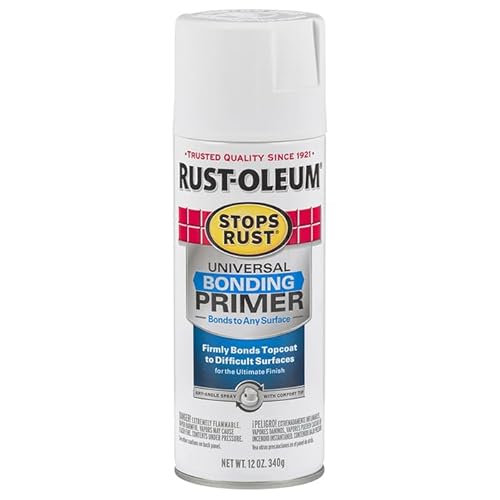
To ensure the paint sticks effectively, it’s vital to use a primer that suits the substrate. A bonding primer can enhance adhesion and extend the life of the finish.
I avoid oil-based paints due to their longer drying times and the potential for peeling, which can be problematic on flexible surfaces.
Here’s a simple comparison of paint types:
| Paint Type | Application | Finish | Durability |
|---|---|---|---|
| Acrylic Spray Paint | Easy, fast | Varies (often satin) | Good |
| Water-Based Acrylic | Brush-On | Satin/Semi-Gloss | Excellent |
| Latex Paint | Brush-On | Matte/Satin | Good |
In summary, selecting the appropriate product ensures a long-lasting finish and enhances the aesthetic appeal of my rattan pieces. I prioritize durability, adhesion, and ease of application in my choice.
Preparing Wicker Furniture for Painting
Thorough cleaning is the first step. I use a soft brush or cloth to remove dust and debris, paying special attention to crevices. A mild soap solution works wonders for stubborn grime; after applying it, I rinse with water and let the item dry completely.
Inspecting for Damage
Next, I examine the piece for any signs of wear or damage. I repair any loose or broken strands using a strong adhesive designed for similar materials. This ensures a smooth surface for application.
Sanding and Priming
I then lightly sand the surface with fine-grit sandpaper to enhance paint adhesion. After sanding, I wipe down the item again to remove dust. If the original finish is glossy, a coat of primer specifically suitable for the chosen paint type is crucial for achieving an even tone. I prefer spray primers for an even application, especially in intricate patterns.
Choosing the Ideal Color for Your Wicker Furniture
For a cohesive aesthetic, I recommend considering the existing decor of your space before selecting a hue for your pieces. Neutral tones such as soft whites and beiges can provide a timeless backdrop, while pastel shades can introduce a playful element.
To create a statement, I appreciate deep colors like navy or forest green, which add depth and sophistication. Pairing these shades with light or bright accessories can enhance visual interest.
Observing the environment also influences my choice. For outdoor settings, opting for weather-resistant paints in earthy tones complements natural surroundings. Indoors, I find that lighter colors often make spaces feel larger and more inviting.
Considering the mood you want to evoke is essential. Warm shades, such as terracotta or soft yellows, can promote a cozy atmosphere, while cool colors like blue and gray deliver calmness.
Lastly, experimenting with samples on a small area before finalizing the decision allows me to see how the new tone interacts with lighting and surrounding elements. This practical approach ensures satisfaction with the result.
Applying Primer to Wicker Furniture
For the best adhesion of the final coat, I apply a quality primer to the surface. I ensure the primer is specifically formulated for porous materials, allowing it to penetrate the fibers effectively. A spray primer is my preferred choice as it provides an even layer without clogging the intricate weaves.
Before application, I thoroughly clean the surface to remove dust and debris. Using a lint-free cloth, I wipe down every inch to ensure the primer bonds well. I opt for a well-ventilated area to facilitate drying.
When I begin applying the primer, I use light, sweeping motions, working it into the nooks and crannies. Multiple thin coats yield better results than one heavy application. After each coat, I allow adequate drying time as specified by the manufacturer before adding the next layer.
Once the primer is fully dried, I lightly sand the surface with fine-grit sandpaper. This step helps create a smooth foundation for the paint, ensuring a professional finish. I wipe any dust off with a damp cloth, preparing the surface for the next phase of my project.
Techniques for Painting Wicker Furniture
Using a spray gun provides an even finish, especially for intricate designs. Ensure to hold it at a consistent distance to avoid drips. For smaller areas, a fine brush allows precision while applying paint, ensuring every nook is covered. Alternatively, foam rollers can speed up larger sections, producing a smooth layer.
Layering Paint for Depth
Applying multiple thin layers enhances depth and durability. Allow each coat to dry completely before adding the next. This approach prevents paint from clumping and ensures an even tone throughout the surface. A light sanding between coats can enhance adherence and finish.
Finishing Touches
A clear topcoat seals the paint, improving longevity and resistance to wear. Choose a finish that complements the new hue, whether matte or gloss. When dry, inspect for any missed spots and touch them up as needed. Regular maintenance will help keep the appearance fresh over time.
Using Spray Paint vs. Brush for Rattan Creations
For a smooth, even finish on rattan creations, I prefer spray paint over using a brush. The aerosol application ensures that every nook and cranny gets coated without the risk of brush strokes that can disrupt the texture.
Benefits of Spray Paint
- Quick application; coverage is faster, especially in hard-to-reach areas.
- Less risk of drips or uneven layers when applied correctly.
- Variety of finishes available, including matte, gloss, and satin.
Considerations for Brush Application
- Some textures may benefit from a brush for a more controlled application.
- Ideal for touch-ups or small areas where precision is necessary.
- Allows for layering techniques that can create depth in the finish.
I suggest using spray paint for larger pieces or overall transformations, while brushes are better suited for detailed work or specific touch-ups. Always remember to wear a mask and work in a well-ventilated area, regardless of the method chosen.
Sealing and Protecting Painted Wicker Furniture
Applying a high-quality sealant is crucial for ensuring longevity and durability of painted pieces. I prefer using a clear polyurethane finish for outdoor items, as it withstands moisture and UV rays effectively. For indoor settings, an acrylic sealer provides adequate protection against scratches and stains.
Before sealing, ensure the paint is completely dry, which can take up to 24 hours depending on the type and thickness of the application. I always suggest lightly sanding the surface with fine-grit sandpaper to create a better bond for the sealant.
When applying the sealant, I use a clean brush or a foam applicator, working in thin, even layers. It’s important to follow the manufacturer’s instructions regarding drying times between applications; usually, two coats are recommended for optimal protection. I also pay attention to hard-to-reach areas, as moisture could linger there if not properly sealed.
After the final layer dries, I might consider applying a furniture polish to enhance the sheen and offer an additional layer of protection. Regular maintenance also includes cleaning with a mild soap and water solution, avoiding harsh chemicals that could damage the finish.
Maintaining the Color of Your Outdoor Seating
To keep your outdoor seating looking new, regular cleaning is necessary. I suggest using a mild soap solution applied with a soft brush to remove dirt and debris. Rinsing with clean water afterward helps prevent residue buildup that can dull the appearance.
Protection from Environmental Factors
Direct sunlight, moisture, and temperature fluctuations can degrade finishes over time. To combat UV rays, consider using a UV protectant spray designed for exterior use. Additionally, during inclement weather, covering your pieces or moving them indoors will preserve the look and extend their lifespan.
Routine Maintenance Tasks
Inspect your seating regularly for signs of wear or fading. Reapply a sealant every couple of years to maintain a fresh appearance. If areas show signs of deterioration, lightly sand and touch up with the corresponding finish to restore uniformity.
Common Mistakes to Avoid When Painting Wicker
Avoid skipping thorough cleaning of the surface before applying any products. Dirt and grime can cause paint not to adhere properly, leading to peeling or uneven results. Make sure to use soap and water followed by a rinse, allowing the piece to dry completely.
Neglecting Priming Steps
Using primer is a key step that many overlook. Skipping this stage can result in a less durable finish. Choose a primer suitable for porous materials, and apply it evenly to create a solid base for topcoats.
Choosing Incompatible Products
Not all paints are suitable for intricate designs. Always select paint that is specifically formulated for detailed surfaces. Non-flexible paints may crack over time, compromising the aesthetic appeal. Test a small area first to see how the new shade interacts with the existing material.
Finally, rushing the drying process can lead to smudged finishes. Allow adequate time between each application to ensure a flawless appearance. Following these guidelines will enhance your long-term satisfaction with your refreshed piece.