
 Caleb Turner

Begin with a thorough cleaning of your item. Dust, dirt, and grease can prevent adhesion, so I recommend using a mild soap and warm water solution. Ensure to dry the surface completely before proceeding.
Next, choose a suitable primer. A bonding primer will enhance the grip of the new coat, especially if the piece has a glossy finish. For best results, apply one coat and allow it to dry as specified by the manufacturer.

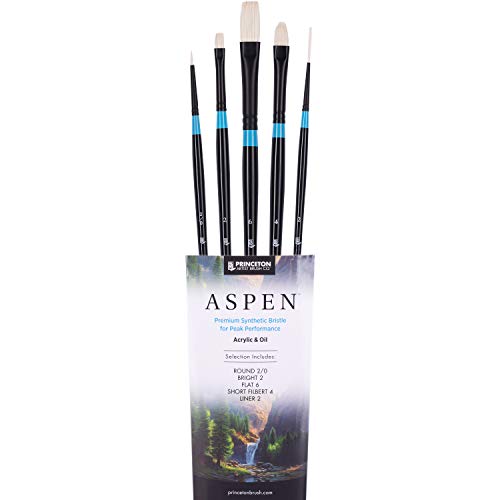
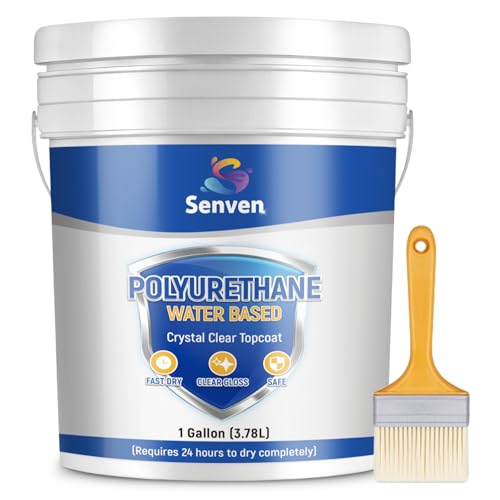
Once your foundation is set, consider selecting a hue that complements your decor. Apply your chosen product in thin, even layers. I find that two to three coats yield the best coverage, allowing each layer to dry fully in between applications.
Add a protective sealant after achieving the desired look. This step ensures durability and facilitates easy cleaning. I prefer a matte or satin finish to maintain the rustic charm of the piece.
This approach not only revives vintage finds but also breathes new life into your living space. With a bit of patience and creativity, even the most neglected items can become standout pieces in your home.
Steps for Revamping Wooden Pieces
Prep surfaces diligently. I clean the item with a mixture of water and vinegar to remove any grease and dirt, ensuring a smooth application. After washing, I allow it to dry completely. If the piece has an existing glossy finish, I lightly sand it with fine-grit sandpaper to promote adhesion.
Choosing the Right Finish
I select a matte or chalky finish that suits the aesthetic I aim for. Testing a small section before the full application helps gauge the final look. I also make sure to choose a color palette that complements the space where the item will reside.
Application Technique
I use a high-quality brush designed for detailed work to achieve an even coat. Dipping the brush lightly into the mixture, I apply in long, even strokes, ensuring I cover all nooks and crannies. Allow the first layer to dry thoroughly before adding a second coat for depth.
For a distressed look, I sand edges lightly once the piece is fully dry. This creates a charming, vintage feel while revealing the original character underneath. Finally, I seal the surface with a clear wax or top coat to enhance durability, making the newly transformed item suitable for everyday use.
Choosing the Right Chalk Paint for Your Project
Prioritize brands known for their durability and finish quality. Look for those that are low in VOCs to ensure a safer working environment. A thick consistency works well for creating textured effects, while thinner options are better for smoother surfaces.
Consider a color palette that complements your environment. Sample small quantities to test how shades look under different lighting conditions and against existing decor. Matte finishes can create a rustic charm, whereas satin offers a bit of sheen that enhances color depth.
Choose products that include a built-in primer for better adhesion and less prep work. If you aim for a distressed look, consider specially formulated varieties that allow for easier layering and distressing techniques.
Finally, invest in a brand with a strong reputation for customer support and helpful resources. User reviews and tutorials can enhance the overall experience and guide you through unfamiliar techniques.
Preparing the Surface for Application
Begin with a thorough cleaning using a mixture of mild soap and water to eliminate grease, dirt, and dust. This step ensures optimal adhesion and a smooth finish. Use a damp cloth to wipe down all surfaces.
Next, inspect for imperfections such as scratches, dents, or old varnish. Address these issues with the following methods:
- Sanding: Employ medium-grit sandpaper to smooth out rough areas and transitions. Follow up with fine-grit for a polished touch.
- Filling: For deeper scratches and holes, apply wood filler. Once dry, sand the filled areas until they are even with the surrounding surface.
Remove any existing finish if necessary. If the surface is particularly shiny or has a strong coating, consider using a chemical stripper or additional sanding to achieve a more receptive texture.
Once the surface is prepared, thoroughly wipe it down with a damp cloth to remove any remaining dust, especially after sanding. Allow it to completely dry before proceeding with the application.
To enhance adherence, applying a primer may be beneficial, especially if working with a highly polished or stained area. This can significantly improve the longevity and durability of the final result.
Applying the First Coat of Chalk Paint
I recommend using a high-quality brush or foam applicator for the initial layer. A brush provides better control, especially in detailed areas. Start at the top and work your way down to prevent drips. Apply the mixture in long, even strokes, ensuring you cover all corners and edges thoroughly.
Ensure a consistent layer without excess buildup, as this can lead to unsightly textures. Aim for a smooth application, avoiding brush strokes where possible. For hard-to-reach spaces, a smaller brush can make the task easier.
Let the first coat dry completely, usually for about 1 to 2 hours, depending on humidity and temperature. Once dry, check for any areas that may need touch-ups and apply a second coat as needed. Inspect the surface in natural light to identify any patches requiring further attention.
If the finish appears uneven after drying, lightly sand the surface with fine-grit sandpaper before proceeding with subsequent layers. This step helps achieve a professional look by smoothing out imperfections.
Techniques for Creating a Distressed Look
I recommend using sandpaper or a sanding block to achieve that sought-after worn appearance. Begin with a medium grit, around 120, to gently remove the top layer of the finish in some areas, focusing on edges and corners where natural wear would occur.
Another method is to apply a second color of finish after the initial layer has dried. Once this second coat is fully cured, use a damp cloth or sanding sponge to rub away some of the top layer, revealing the base color underneath in a controlled manner. This adds depth and character.
Experiment with a wet rag technique: lightly dampen a cloth and run it over the surface to lift the top layer of finish in strategic spots. This creates a softer, more natural distressed effect.
For a more textured look, consider using a stippling brush or sponge. Dabbing the brush in varied pressure on the surface can create small indentations or marks that mimic years of use.
To enhance the aged appearance, apply a glaze or dark wax after distressing. This can deepen the colors and fill in crevices, making them more pronounced. Use a soft cloth to work the glaze into the details, then wipe away excess to keep it natural.
Remember to step back frequently to assess your work from a distance. This helps ensure the look remains balanced and appealing without going overboard.
Sealing and Protecting Your Painted Furniture
To ensure durability and longevity of your newly transformed piece, applying a reliable sealer is crucial. I recommend using a water-based polyurethane or a wax specifically formulated for painted surfaces. Polyurethane provides a robust barrier against moisture and scratches, while wax offers a softer, matte finish that enhances texture.
Applying Polyurethane
Begin by allowing your surface to dry completely after the last layer. Use a high-quality synthetic brush to apply an even coat of water-based polyurethane, ensuring you work in the direction of the grain. After drying, lightly sand with fine-grit sandpaper before applying a second coat to achieve a smooth finish. This process not only protects but also enhances the aesthetic appeal of the piece.
Using Wax for a Soft Finish
If you prefer a more matte and hand-rubbed look, opt for furniture wax. Apply a thin layer using a soft cloth, rubbing it in circular motions. Allow it to dry, then buff it with a clean cloth for added sheen. This method also allows for easier touch-ups in the future, maintaining the integrity of the surface while providing protection.
Always keep your restored items away from direct sunlight to prevent fading and warping, and use coasters or placemats to avoid potential damage.
Troubleshooting Common Chalk Paint Issues
For achieving a flawless finish, I often address specific concerns that arise during the process. Here are common problems and their solutions:
1. Uneven Coverage
If I notice patchy areas after the first layer, it typically indicates either inadequate application or an unprimed surface. To remedy this:
- Apply a second coat to ensure evenness.
- Use a high-quality brush or roller for better distribution.
2. Chipping or Peeling
When I encounter chipping, it’s crucial to assess the sealing method used. I recommend:
- Allow ample drying time between coats.
- Opt for a durable topcoat designed specifically for the finish to avoid premature wear.
3. Streaks or Brush Marks
Brush strokes can detract from the desired appearance. To fix this:
- Sand lightly between applications to smooth out imperfections.
- Use a synthetic bristle brush for a smoother application.
4. Gritty Texture
If any texture or dust particles appear, it may be due to improper surface preparation or contamination. Correct this by:
- Thoroughly cleaning the surface before starting.
- Choosing a fine-grit sandpaper to prepare the area properly.
5. Color Distortion
Sometimes the final hue deviates from the expected result. To mitigate this:
- Test colors on a small, inconspicuous section first.
- Be aware that lighting can significantly alter how colors appear.
By keeping these solutions in mind, I effectively troubleshoot issues and achieve a polished finish on my projects.
Tools and Supplies You’ll Need for Painting
For undertaking this transformation project, I recommend gathering the following items to ensure smooth execution and great results.
Essential Tools
| Tool | Purpose |
|---|---|
| Sanding Block | To smooth any rough areas on the surface. |
| Paintbrushes | For applying the coating effectively; a mix of sizes will help reach different areas. |
| Foam Rollers | To cover large flat surfaces quickly and evenly. |
| Drop Cloths | To protect your workspace from spills and drips. |
| Painter’s Tape | To mask off areas for clean lines and edges. |
| Sealant Applicator | For applying protective finishes afterward. |
Supplies Required
In addition to tools, ensure you have essential materials:
| Supply | Purpose |
|---|---|
| Primer | To enhance adhesion and longevity of the finish. |
| Topcoat Finish | For added durability and a polished appearance. |
| Water Bucket | For cleaning your brushes and rollers during the process. |
| Lint-Free Cloths | To wipe surfaces and eliminate dust before starting. |
Having these tools and supplies on hand will streamline your process and help you achieve stunning results.
Maintaining Your Chalk Painted Furniture
I recommend dusting regularly with a soft, dry cloth to prevent buildup that can dull the surface. For more stubborn spots, a slightly damp cloth with mild soap works well; ensure to dry immediately to avoid moisture damage.
Consider applying a top coat every couple of years. This adds a protective layer and ensures longevity, especially in high-use areas. Choose a matte or satin finish depending on the look you want to maintain.
Avoid direct sunlight exposure, which can cause fading, and position your pieces away from heat sources to prevent cracking. If your piece is outdoors, select outdoor-safe formulas to withstand the elements.
Inspect for chips or scratches periodically. Touch up any damage promptly with the same product used initially, ensuring seamless repairs. For areas that receive a lot of wear, apply a more durable sealant for added protection.
If you notice a sticky residue, it may be due to humidity or incorrect sealing. Lightly sand the affected area and reapply the protective coating after dusting thoroughly.
Store items that could scratch the surface away from the painted area, and consider using coasters or trays to minimize contact with objects that could damage the finish.
FAQ:
What materials do I need to chalk paint old wood furniture?
To chalk paint old wood furniture, you will need chalk paint, a high-quality brush or foam roller for application, sandpaper for surface preparation, a clean cloth for dusting, and a clear wax or sealer to finish the project. Optionally, you can use a primer if the furniture piece has a glossy finish that may prevent the paint from adhering well.
Do I need to sand my furniture before applying chalk paint?
Sanding is not always necessary, but it is recommended to achieve the best results. If your furniture has a glossy or smooth finish, lightly sanding the surface will help the chalk paint adhere better. In cases where the wood is dull and has a matte finish, a thorough cleaning may be sufficient. Be sure to wipe off any dust with a clean cloth afterward to ensure a smooth application.
How many coats of chalk paint should I apply for an even finish?
The number of coats you need can vary depending on the color and condition of the wood. Generally, two coats of chalk paint are recommended to achieve an even, solid color. Allow the first coat to dry completely before applying the second coat. If the paint appears uneven after the second coat, consider applying a third coat for extra coverage.
What is the best way to protect the finish of chalk-painted furniture?
To protect the finish of chalk-painted furniture, apply a clear wax or a polycrylic sealer. Wax provides a soft sheen and a durable finish that is resistant to scratches, while polycrylic offers a more robust, water-resistant option. Make sure to follow the manufacturer’s instructions for application and drying times. Regular maintenance, such as avoiding harsh chemicals during cleaning, will help keep the furniture looking fresh.


