
 Caleb Turner

Regularly applying a high-quality finish is crucial to protect your outdoor wooden pieces from weather elements. I recommend using a marine-grade spar varnish or an oil-based finish that’s specifically designed for exterior applications. This helps maintain the natural color and beauty of the timber while providing a robust barrier against moisture and UV rays.
Cleaning is another vital step in the upkeep process. Use a gentle brush and a mixture of mild soap and water to wipe down the surfaces periodically. This prevents the buildup of dirt and mildew, which can lead to deterioration. Make sure to rinse thoroughly and allow to dry completely before reapplying any protective coatings.
Positioning is key; whenever possible, place wooden items in shaded areas to minimize direct exposure to harsh sunlight. This not only prolongs the life of the material but also keeps the surface cool and comfortable. Using protective covers during extreme weather can add an additional layer of defense, further ensuring the longevity of your outdoor investments.
Maintenance Tips for Outdoor Wooden Seating
Regular cleaning with mild soap and warm water helps to maintain the appearance of your wooden seating. Use a soft cloth or a sponge to avoid scratching the surface. Rinse thoroughly to remove any soap residue.


Seasonal Treatment
Apply a dedicated oil suitable for outdoor wood every 6-12 months. This prevents drying and helps retain the rich color. Ensure the surface is clean and dry before applying the oil. Avoid over-oiling, which can lead to a sticky residue.
Protective Measures
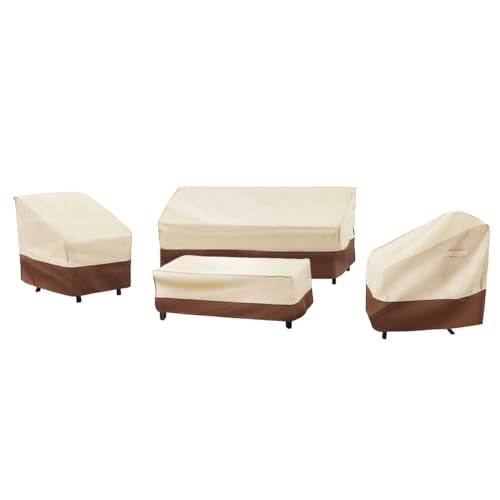
Cover the pieces during harsh weather conditions such as heavy rain or snow. Using breathable covers allows moisture to escape while providing protection. Consider storing items in a sheltered area during winter months to prolong their lifespan.
Understanding the Natural Properties of Teak Wood
Teak exhibits remarkable resistance to moisture and decay, making it an excellent choice for exterior use. This timber contains natural oils that repel water and insects, contributing to its longevity. As a result, it requires minimal maintenance compared to other woods.
Durability and Weather Resistance
This species of wood is exceptionally durable. With a high density, teak retains structural integrity even under harsh conditions. Its resilience against warping and cracking makes it stand out among outdoor materials. Ideal for seasonal temperature fluctuations, it withstands sun exposure without significant fading.
Color and Grain Characteristics
The natural beauty of this wood enhances its appeal. Initially golden-brown, it matures to a rich silver-grey hue over time if left untreated. The unique grain patterns add character to each piece, ensuring that every item is one-of-a-kind. Regular oil treatment can maintain its original color but is not strictly necessary for protection.
| Property | Description |
|---|---|
| Moisture Resistance | Natural oils prevent water absorption. |
| Insect Resistance | Naturally deters termites and other pests. |
| Durability | Withstands extreme weather conditions. |
| Low Maintenance | Requires minimal upkeep compared to alternatives. |
| Aesthetic Appeal | Unique grain and color variations enhance visual charm. |
Choosing this particular wood ensures long-lasting beauty and functionality, making it a favored option for outdoor applications.
Cleaning Teak Furniture: Recommended Products and Techniques
Begin with a gentle soap solution made from a mix of mild dish soap and warm water. I prefer using a soft sponge or cloth to eliminate debris and dirt without damaging the wood’s surface.
Recommended Cleaning Products
For deep cleaning, I suggest a dedicated teak cleaner, ideally containing natural ingredients. Look for a product specifically formulated for hardwood and free of harsh chemicals to maintain the wood’s integrity.
A diluted solution of bleach can help eliminate mold or mildew, but I apply it cautiously and only if necessary. Always rinse thoroughly afterward.
Techniques for Maintenance
Use a soft bristle brush to scrub the surfaces, especially in crevices and corners. After rinsing with clean water, I allow the wood to air dry completely.
To enhance the natural grains and protect against the elements, applying a suitable oil, such as teak oil, can be beneficial. This step should be performed periodically, depending on exposure to the sun and moisture.
Regular cleaning and maintenance assure the longevity of my outdoor pieces, preserving their beauty and functionality through various conditions.
Preventing Discoloration and Graying
Regular application of a high-quality protective oil specifically designed for hardwood is key. This oil penetrates the grain, forming a barrier against moisture and UV rays. I recommend reapplying every few months, especially before the rainy season.
Ensure thorough cleaning prior to oiling. Use a soft brush and lukewarm soapy water to remove dirt and debris. Rinse well to prevent soap residue from affecting the wood’s surface. Allow the piece to dry completely before applying any products.
For long-term maintenance, consider using a UV-blocking treatment. This specific formula not only enhances aesthetics but also extends the life of the wood. Apply as recommended to shield against harsh sunlight.
Regular inspections are vital. Look for signs of fading and wear. Address any issues immediately to prevent further damage. If you notice significant graying, gentle sanding can restore the wood’s original hue.
Lastly, placing items under protective covers when not in use helps minimize exposure to the elements, reducing the chances of discoloration over time.
Applying Teak Oil: Step-by-Step Instructions
First, choose a well-ventilated area away from direct sunlight for the application. Prepare the surface of your wooden seating or table by ensuring it is clean and dry. Use a soft cloth or sponge to wipe off any dust or debris.
Next, grab a container and pour a small amount of high-quality oil. Using a clean cloth or a brush, apply the oil evenly across the surface, following the grain of the wood. Start with a thin layer to avoid excessive buildup.
Allow the oil to penetrate for about 10-15 minutes, then wipe off any excess with a clean, dry cloth to prevent sticky spots. Repeat the application if additional layers are desired for a deeper finish. Generally, two to three coats are recommended for optimal protection.
After the final application, let the surface cure for at least 24 hours before using. This waiting period ensures the oil has fully absorbed and bonded with the wood. Regular reapplication every few months will help maintain the rich color and prevent drying.
Remember to store any leftover oil in a sealed container to prevent it from becoming unusable. Always follow the manufacturer’s instructions for specific products for best results.
Protecting Teak Furniture from Weather and UV Damage
To shield your outdoor wooden pieces from the elements and harmful UV radiation, a high-quality protective cover is essential. Invest in breathable, waterproof fabrics that prevent moisture accumulation while allowing air circulation.
Position the items in a shaded area during peak sunlight hours. Canopies, umbrellas, or strategically placed plants can help diffuse direct sunlight, minimizing potential fading.
Consider using UV-blocking sprays designed specifically for wood. These products create a barrier against sun damage without altering the natural appearance of the grain.
Elevate your pieces off the ground using coasters or stands to avoid direct contact with damp surfaces, which can lead to mold and mildew growth. This also helps ensure that airflow surrounds the wood.
Regularly inspect the surface for signs of degradation. Promptly address any issues, such as cracks or soft spots, with appropriate repair techniques to prevent further deterioration.
For seasonal maintenance, buff the wood with a fine cloth to remove dust and debris. This simple step can enhance the protective finish and prolong the life of your outdoor assets.
Storage Tips for Teak Furniture During Off-Season
To protect wooden pieces during the off-season, select a dry indoor location. Avoid damp basements or garages where moisture can accumulate.
Preparation Steps
- Thoroughly clean each item to remove dirt and grease.
- Ensure everything is completely dry before storing to inhibit mold growth.
- If possible, disassemble larger pieces to save space and reduce the risk of damage.
Storage Environment
- Use breathable covers, such as canvas or cotton, to shield from dust while allowing air circulation.
- Avoid plastic wraps as they can trap moisture and lead to decay.
- Store items off the ground on pallets or shelves to prevent exposure to ground moisture.
Check periodically throughout the storage period to ensure no signs of humidity or pests. Ventilate the space if necessary, helping maintain an optimal environment for preservation.
Restoring Old Teak Furniture: When and How to Do It
To bring back the beauty of aged hardwood, consider restoration when the surface shows signs of wear, such as deep scratches, discoloration, or rough texture. Here are specific steps to rejuvenate old pieces.
- Assessment: Inspect the item for damage. Check joints, surfaces, and any hardware. It’s vital to identify areas that require attention, such as loose joints or missing parts.
- Preparation: Clean the item thoroughly with a mild soap solution or a specific cleaner designed for hardwood. Use a soft cloth or sponge to avoid further scratching the surface. Allow it to dry completely.
- Sanding: For deeper scratches and rough patches, sanding is necessary. Use fine-grit sandpaper (220-grit) to gently smooth the surface. Always sand in the direction of the grain to prevent additional damage. After sanding, clean off the dust with a damp cloth.
- Oiling: After preparing the surface, apply a suitable oil to nourish the grain. Select an appropriate product for restoration, following the manufacturer’s instructions. Use a clean, lint-free cloth to apply the oil evenly, wiping off any excess after a few minutes.
- Finishing Touches: Once the oil is absorbed, assess whether additional applications are necessary. A final buffing with a dry cloth will enhance the shine and provide a protective layer.
- Repairing Hardware: If joints are loose or hardware is damaged, consider using wood glue for joints or replacing screws and bolts. Ensure that all parts are sturdy and secure before moving the item.
This systematic approach guarantees that restored pieces will not only look appealing but also maintain their integrity for years to come.


